The Science Behind Ramadan Workout Timing and Energy During Fasting
Published: February 23, 2026
Category: Fitness Tips
Ramadan creates more structure than most people realise. Training times are fixed, eating windows are controlled, and daily routines follow predictable anchors. Even when energy feels lower, consistency often improves because behaviour is supported by structure rather than motivation.
When Eid arrives, that structure disappears almost overnight. Work schedules return to normal, social commitments increase, and daily rhythms loosen. This sudden shift is where many people lose momentum. Not because discipline disappears, but because the system that supported consistency is removed without a transition. The post-Eid drop-off is common, but it is also avoidable.
The post-Eid drop-off is not about quitting or losing interest in fitness. It is the gap between a highly structured period and a suddenly flexible one. During Ramadan, routines are externally reinforced. After Eid, those reinforcements vanish while expectations immediately return to normal.
This gap creates uncertainty around training, eating, and recovery. Sessions get postponed, meals become irregular, and sleep patterns shift. None of these changes feel dramatic on their own, but together they disrupt momentum quickly.
Post-Eid weight gain rarely comes from celebration alone. It develops when routines loosen faster than habits can adapt. During Ramadan, people train at set times, eat with more intention, and recover within clear windows. After Eid, flexibility returns all at once.
Training frequency drops while intake increases. Sleep becomes inconsistent. Progress begins to slip without any single obvious trigger. This is why avoiding Ramadan weight regain depends less on motivation and more on how structure is carried forward once fasting ends.
A structured body transformation approach helps prevent this reset by defining what continues after Ramadan instead of stopping completely.

The biggest mistake after Eid is treating it as either a finish line or a reset point. Pushing harder or taking a full break both increase the risk of losing progress. What works better is a deliberate transition phase.
For the first few weeks after Eid, training frequency should remain familiar even if intensity changes. Eating patterns should widen gradually rather than all at once. Sleep routines need time to normalise instead of being forced back overnight.
Removing structure too quickly, rather than Eid itself, is what causes most people to lose progress.
Maintaining fitness after Eid is particularly challenging in Dubai, where work demands, travel, and social plans often return at the same time. Waiting to feel motivated again rarely works when routines are unsettled.
What does work is keeping one or two simple anchors in place. Fixed training days during the workweek, a loose but planned eating rhythm, and consistent recovery habits prevent routines from collapsing while life speeds back up. This is what supports Eid fitness maintenance in Dubai without relying on willpower.
The same pattern appears after New Year fitness resolutions, where progress fades once structure disappears. Recognising this behaviour makes it easier to avoid repeating it after Ramadan.

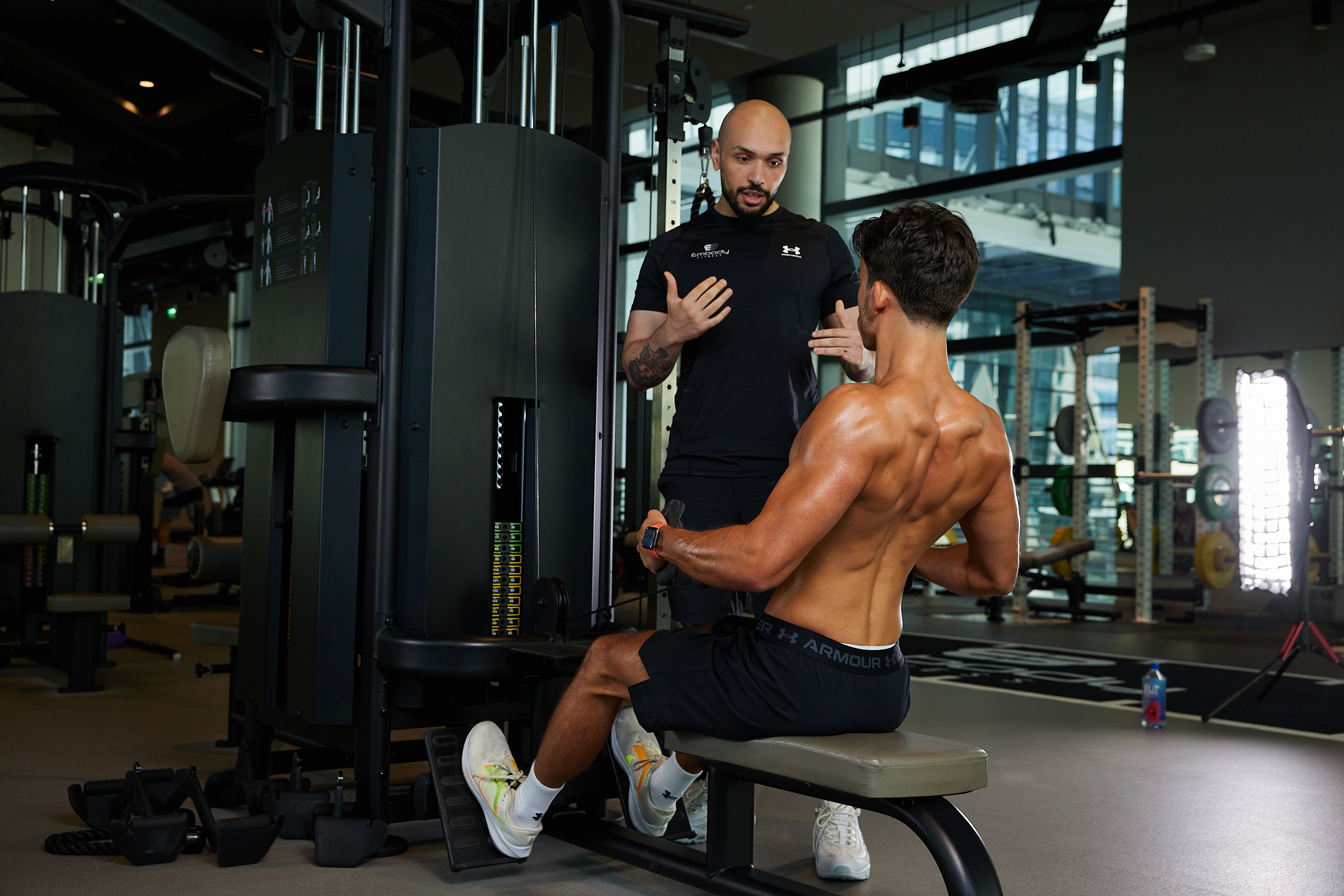
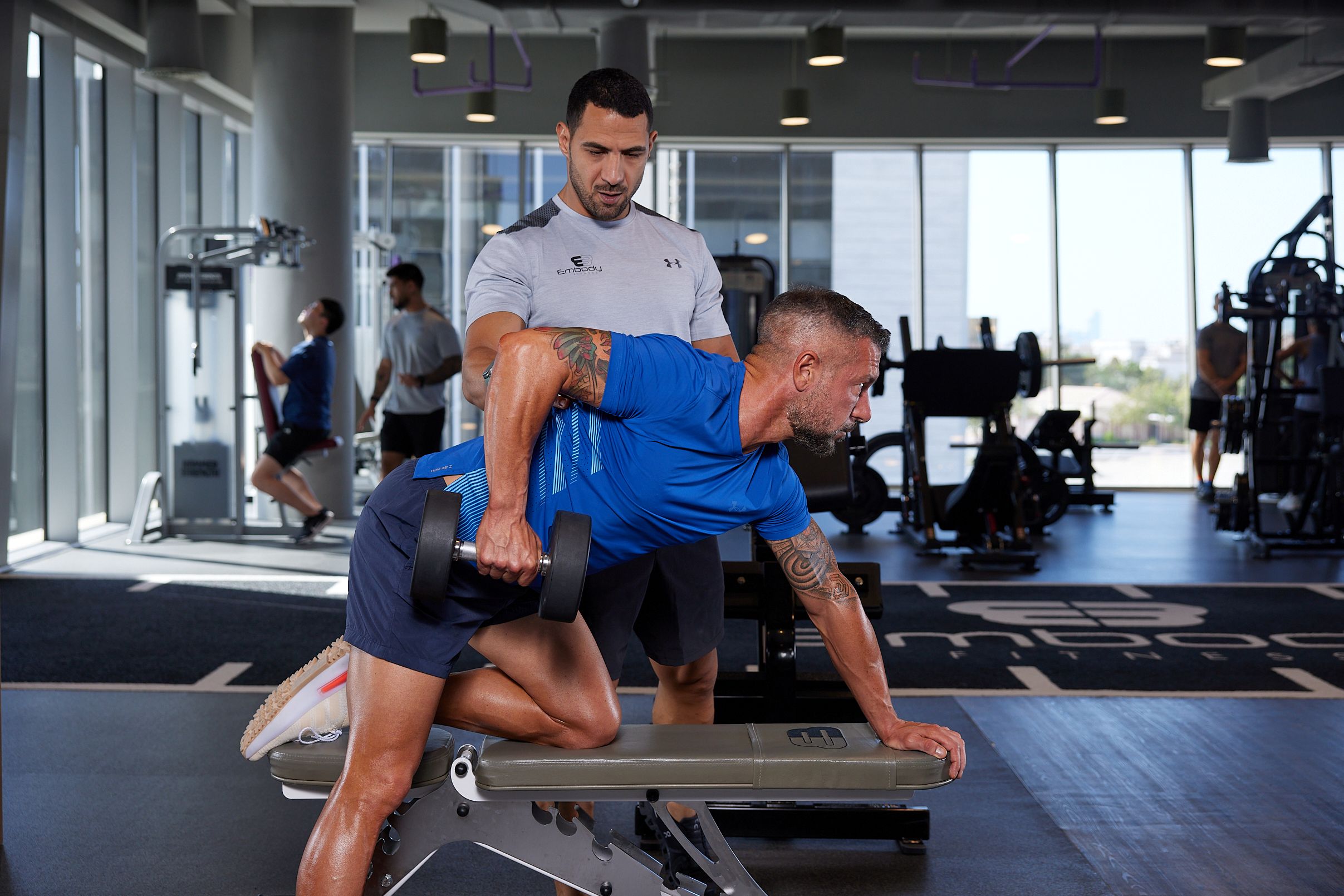
Post-fasting consistency improves when accountability continues after Ramadan. This does not mean training harder. It means staying connected to a routine when energy levels fluctuate and schedules feel unpredictable.
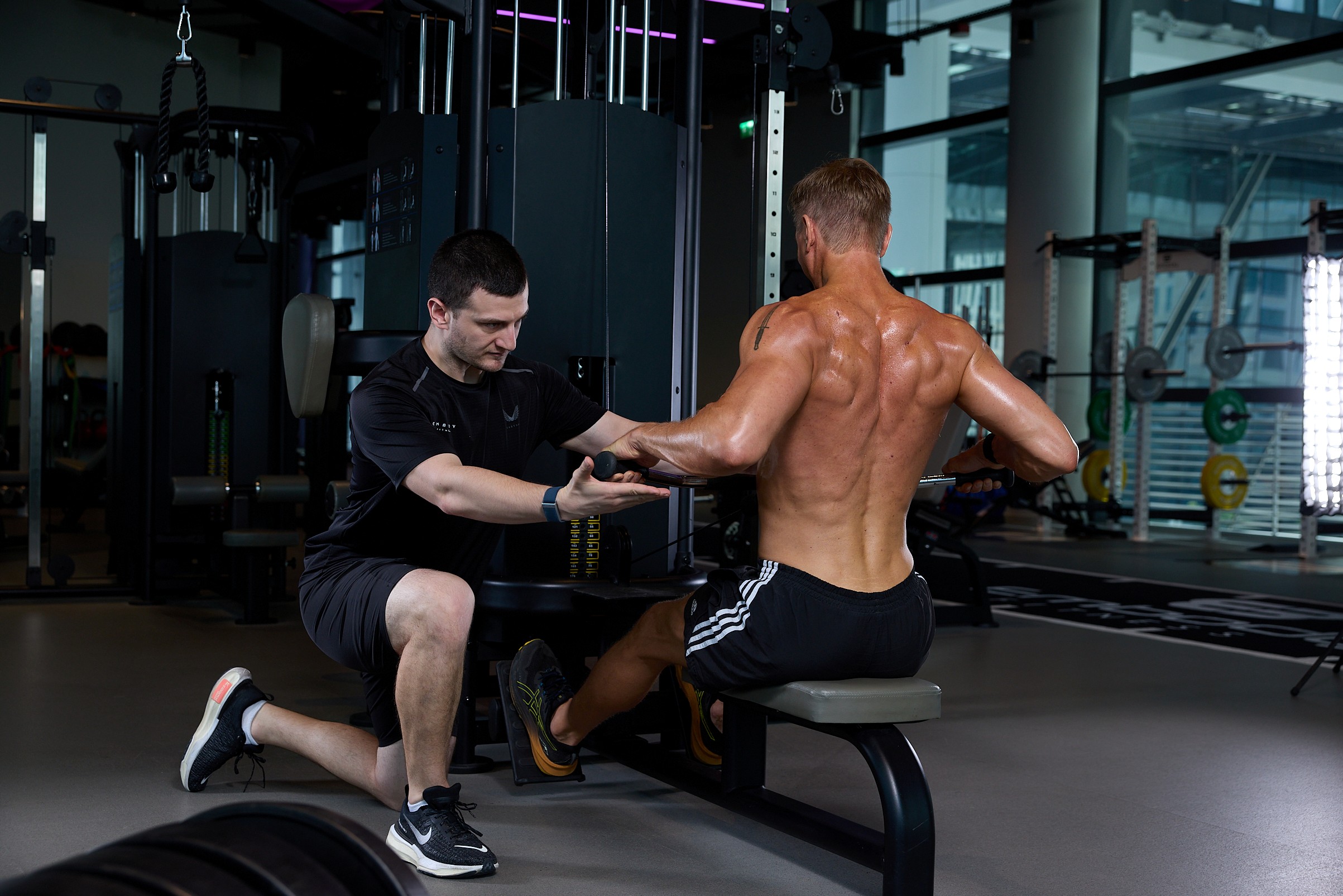
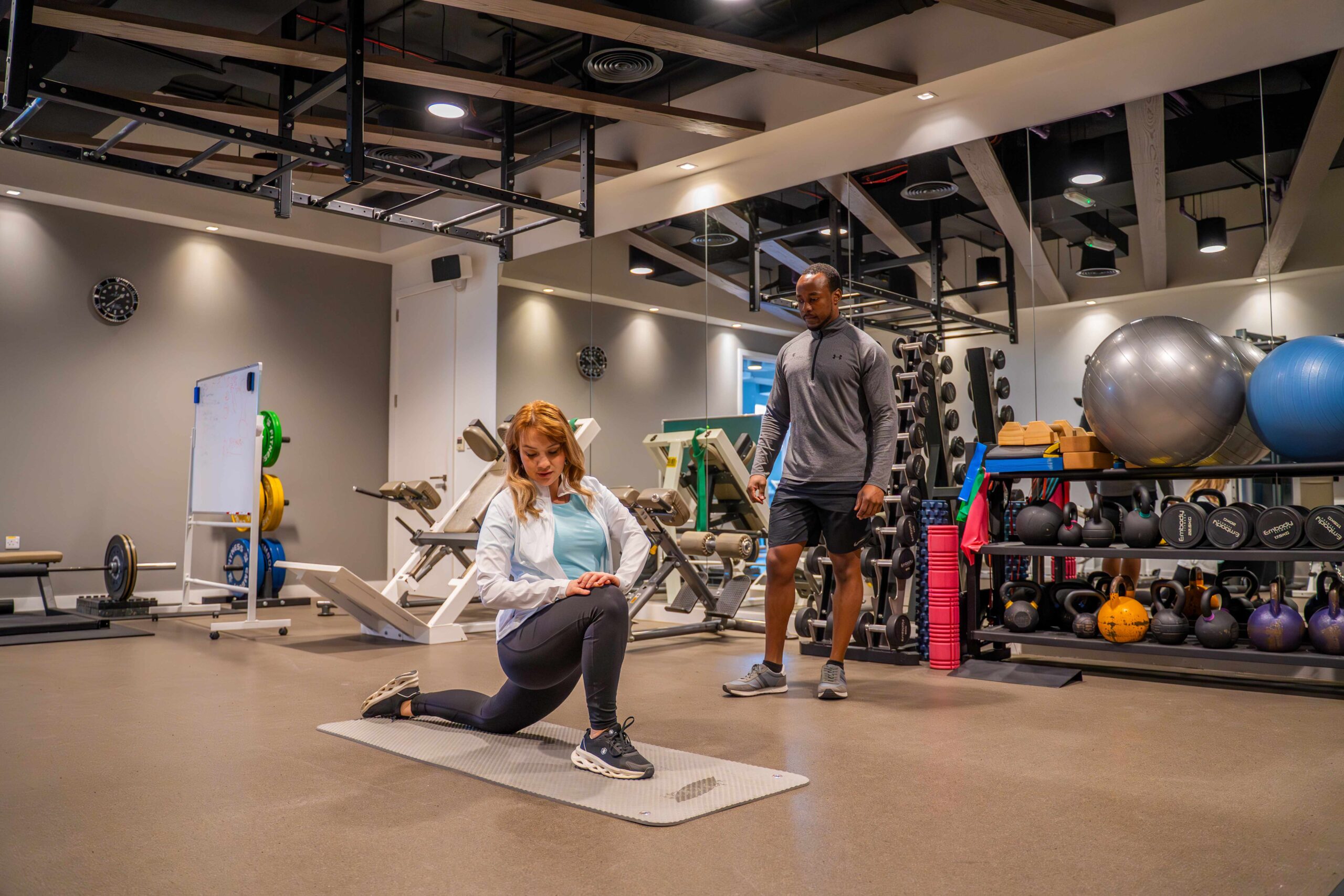
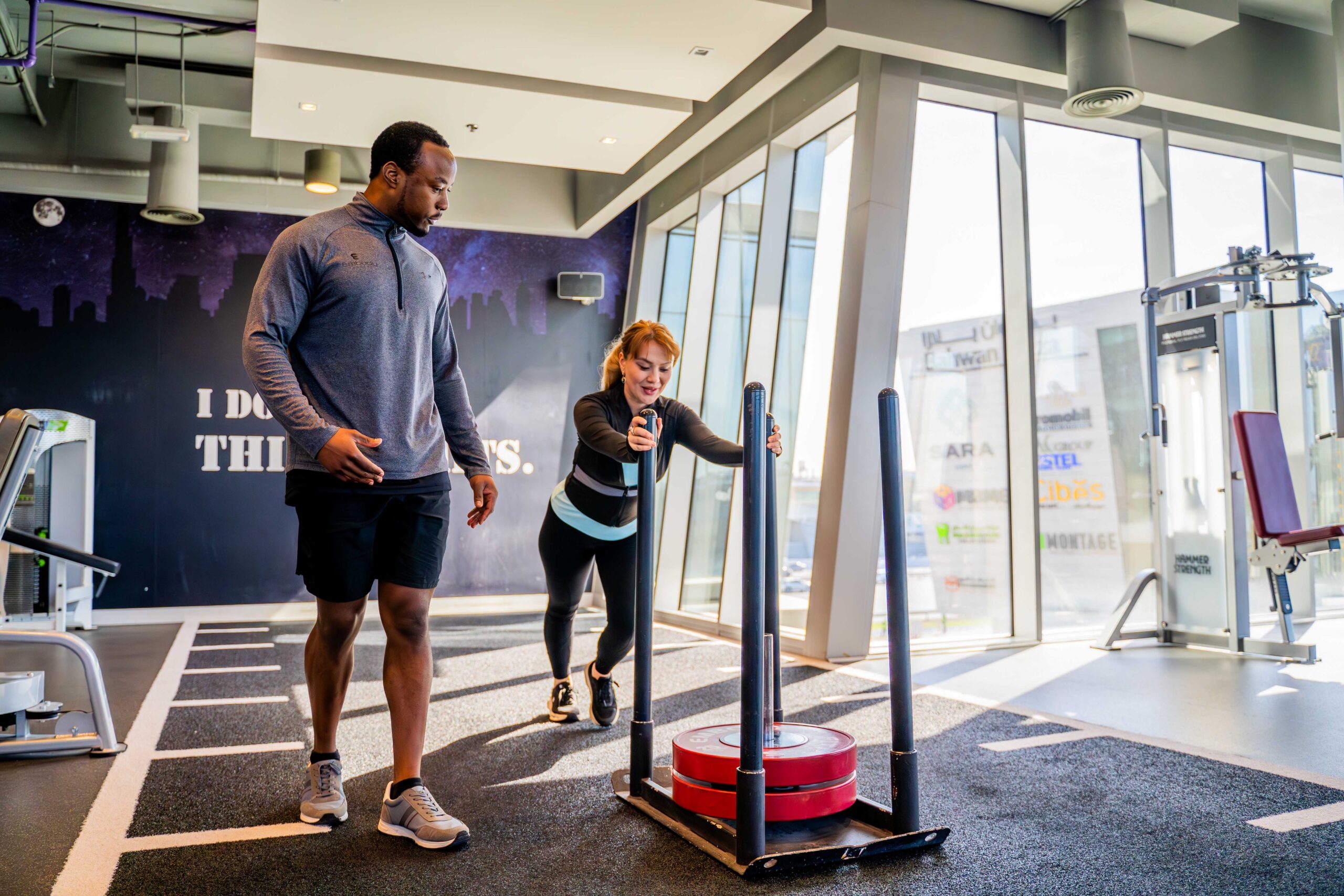
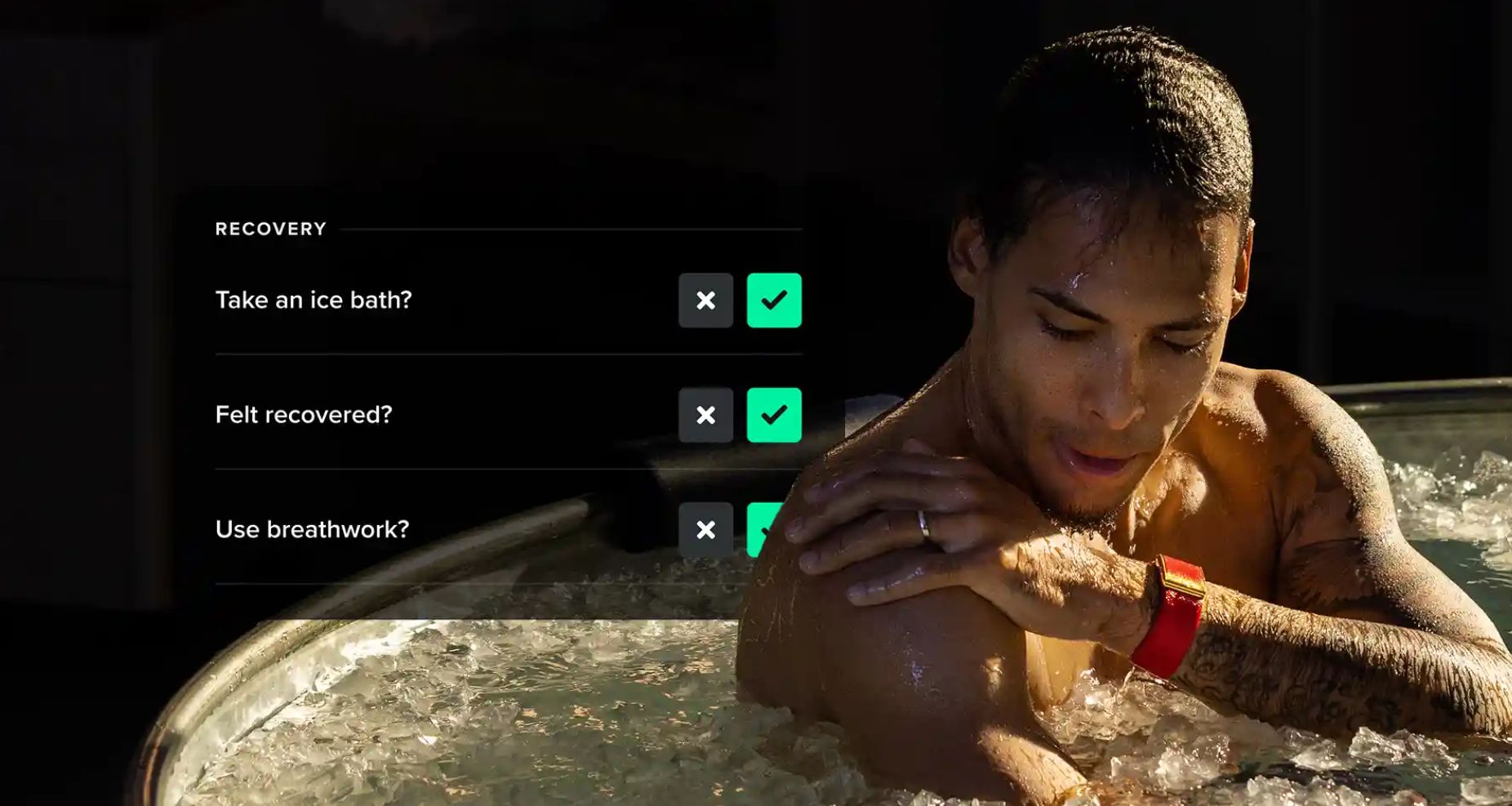
Guided training removes guesswork during this phase and helps prevent extended breaks that undo weeks of progress. Recovery also plays a larger role after Eid than many people expect, as sudden changes in sleep, nutrition, and workload often increase fatigue.
The habits built during Ramadan are not fragile. They simply need support once the environment changes. People who maintain results after Eid treat Ramadan as a foundation rather than a finish line.
This pattern is reflected in real transformation journeys, such as Morgan Loubser’s journey to fitness and balance in Dubai, where consistency and routine mattered more than intensity. When the transition is handled with intent, progress stabilises instead of disappearing.
Eid should mark a shift, not a setback.
If you want help structuring the weeks after Ramadan so progress does not fade, planning ahead makes the difference between maintaining results and starting over. You can book a free consultation with Embody Fitness to map out a post-Ramadan training, nutrition, and recovery plan that keeps momentum going.



Achieve your fitness goals faster with expert personal trainers guiding you every step of the way in just 8 weeks.
Enquire now