9 Things Sabotaging Your Workout Results Without You Realizing
Published: September 10, 2025
Category: Tips for begginers
If you’ve been working out consistently for several weeks but are still not seeing the changes you expected, you're not alone. Whether your goal is to build muscle, lose weight, increase strength, or simply feel more energized and healthy, it’s frustrating when your progress seems stuck. The truth is, workout results look different for everyone. You might be chasing better cardiovascular health, aiming to hit a new personal record in the gym, or trying to shift your body composition by reducing fat or increasing muscle mass.
But reaching those goals involves more than just showing up. Factors like genetics, sleep quality, stress levels, hormonal balance, and even your fitness history can silently slow or stall your progress. Changing your body takes time, and it often takes months before meaningful changes in muscle growth or fat loss are visible. In many cases, you might be doing everything right—but the results just need more time to show up.
In this guide, you'll discover 9 key reasons why you're not seeing progress in the gym.
Results in fitness come from repetition and structure. If your workouts are irregular or your schedule keeps changing, your body does not get the stable pattern it needs to adapt and improve. Consistency helps you build endurance, improve neuromuscular efficiency, and make gradual progress in strength or fat loss.
Missing sessions or training only when you feel motivated limits how much you can progress. A structured weekly plan that matches your lifestyle is essential to see changes over time. It's important to show up no matter what!
Your body requires fuel to repair, recover, and perform. If your meals do not support your physical goals, you may feel tired, stall muscle recovery, or even gain weight unintentionally. Eating too little can slow metabolism and muscle repair, while eating too much can cancel out fat loss efforts. Focus on eating enough protein for recovery, complex carbohydrates for energy, and healthy fats for hormone balance. Align your food choices with your workouts to move toward your desired result.
Meal plan help control choices, kcal and avoids constant cooking. Plans like the Embody meal plan are macro regulated to help you achieve your objectives – tailored to the gram, and deliver on both taste and accuracy.

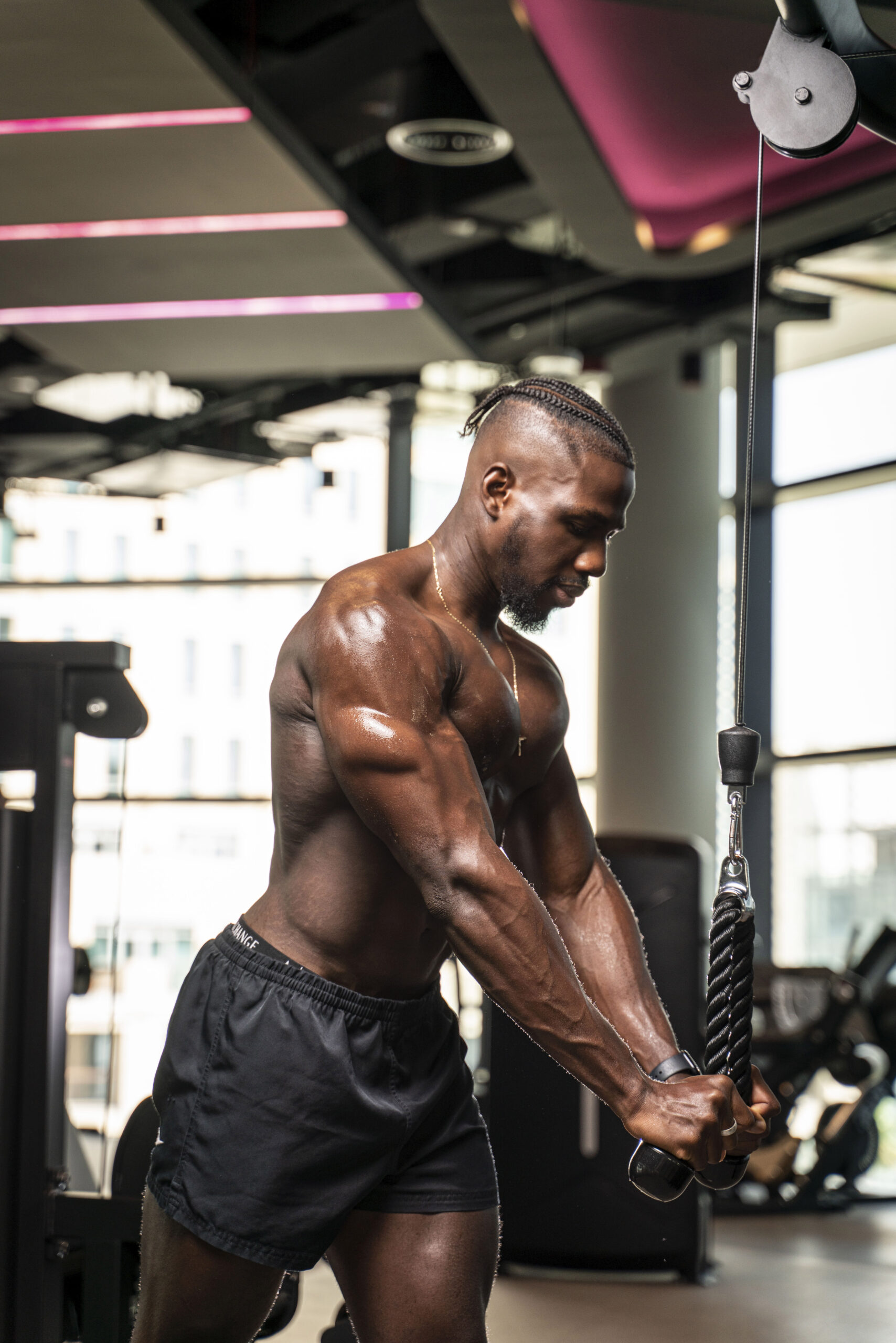
Repeating the same workout at the same intensity will eventually stop producing results. The body adapts to familiar stress, so it needs a stronger signal to keep evolving. This is known as progressive overload, which means gradually increasing resistance, reps, time under tension, or intensity. If you want to build muscle, improve strength, or burn fat, your training must evolve. Stagnation happens when effort becomes too predictable and your muscles no longer need to respond.
Real transformation takes time, and progress often starts on the inside before it becomes visible. Your body might already be improving in strength, endurance, or mobility, even if the mirror does not show it yet. Shifting body composition, gaining lean muscle, or losing fat often requires weeks or even months of focused effort. Unrealistic timelines can lead to frustration and quitting early. Trust the process, track subtle changes, and focus on consistency instead of shortcuts.
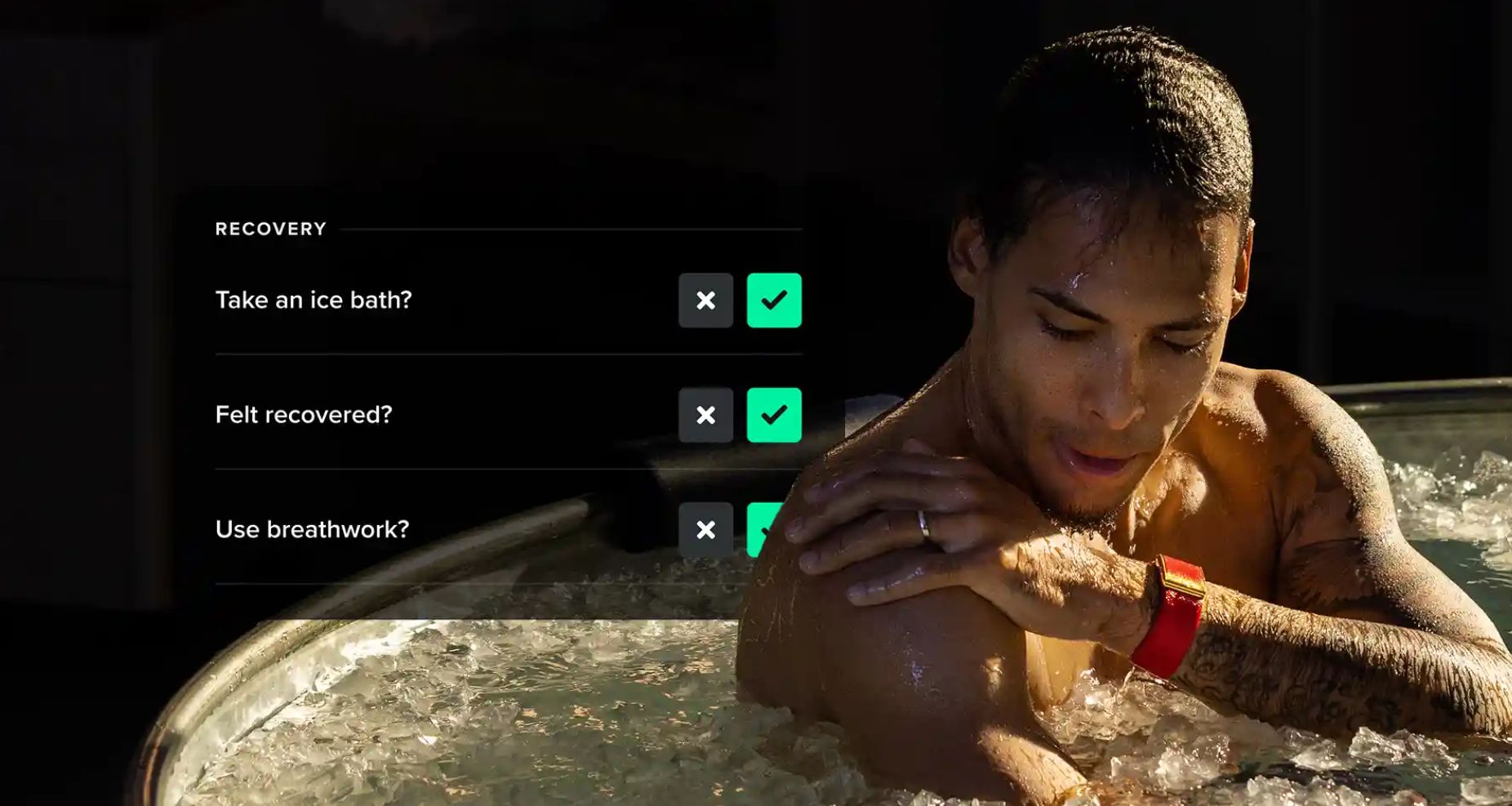
Sleep is essential for physical recovery, mental clarity, and hormonal balance. Adults need a minimum of seven hours of sleep per night to support healthy metabolism and exercise performance. Without proper rest, your body may produce more stress hormones, recover more slowly, and feel fatigued in training sessions. Lack of sleep also impacts mood and motivation, making it harder to stay consistent. Prioritizing quality sleep is a vital part of any results-driven fitness approach.
Sleep is essential for physical recovery, mental clarity, and hormonal balance. Adults need a minimum of seven hours of sleep per night to support healthy metabolism and exercise performance. Without proper rest, your body may produce more stress hormones, recover more slowly, and feel fatigued in training sessions. Lack of sleep also impacts mood and motivation, making it harder to stay consistent. Prioritizing quality sleep is a vital part of any results-driven fitness approach.
If your goal is to gain strength but your workouts are mostly cardio-based, your training may not align with your outcome. Likewise, if you want to lose fat but focus only on lifting without managing energy output, you may miss key results. Every goal requires a tailored approach. Strength gains need resistance and volume, endurance needs sustained cardiovascular work, and fat loss needs a combination of both along with nutritional support. Make sure your program reflects the outcome you are working toward.
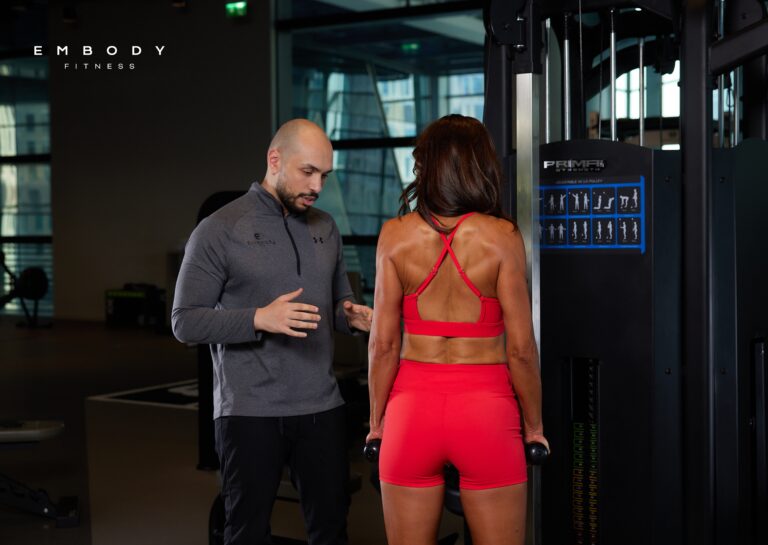
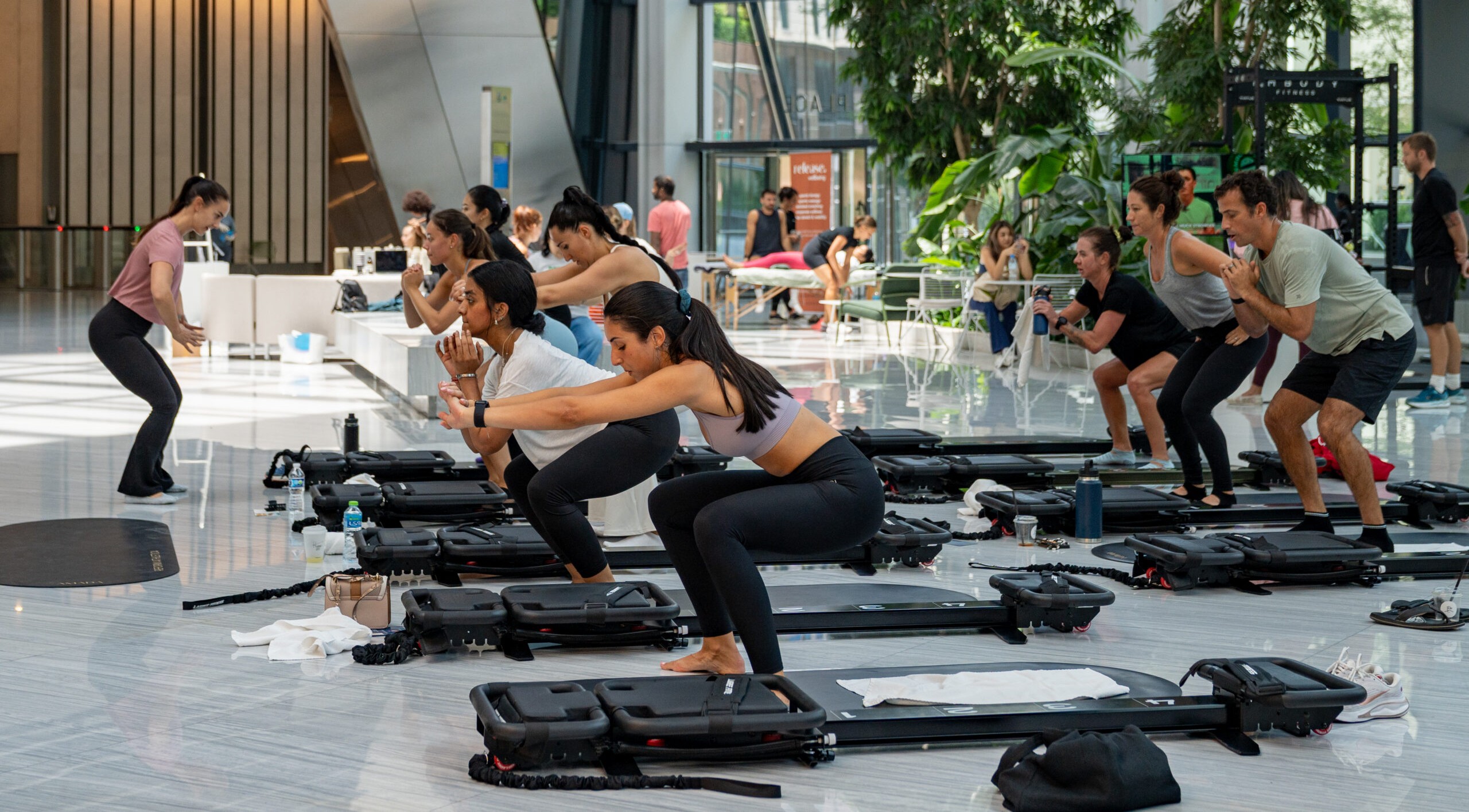
Doing the same exercises over time reduces their effectiveness. Your body becomes more efficient, and fewer adaptations occur when there is no change. To avoid plateaus, add variation through different equipment, training styles, rep schemes, or workout formats. Switching between strength, functional movement, and conditioning challenges new muscle groups and keeps your workouts mentally engaging. Variety also reduces the risk of overuse injuries and keeps progress moving forward.
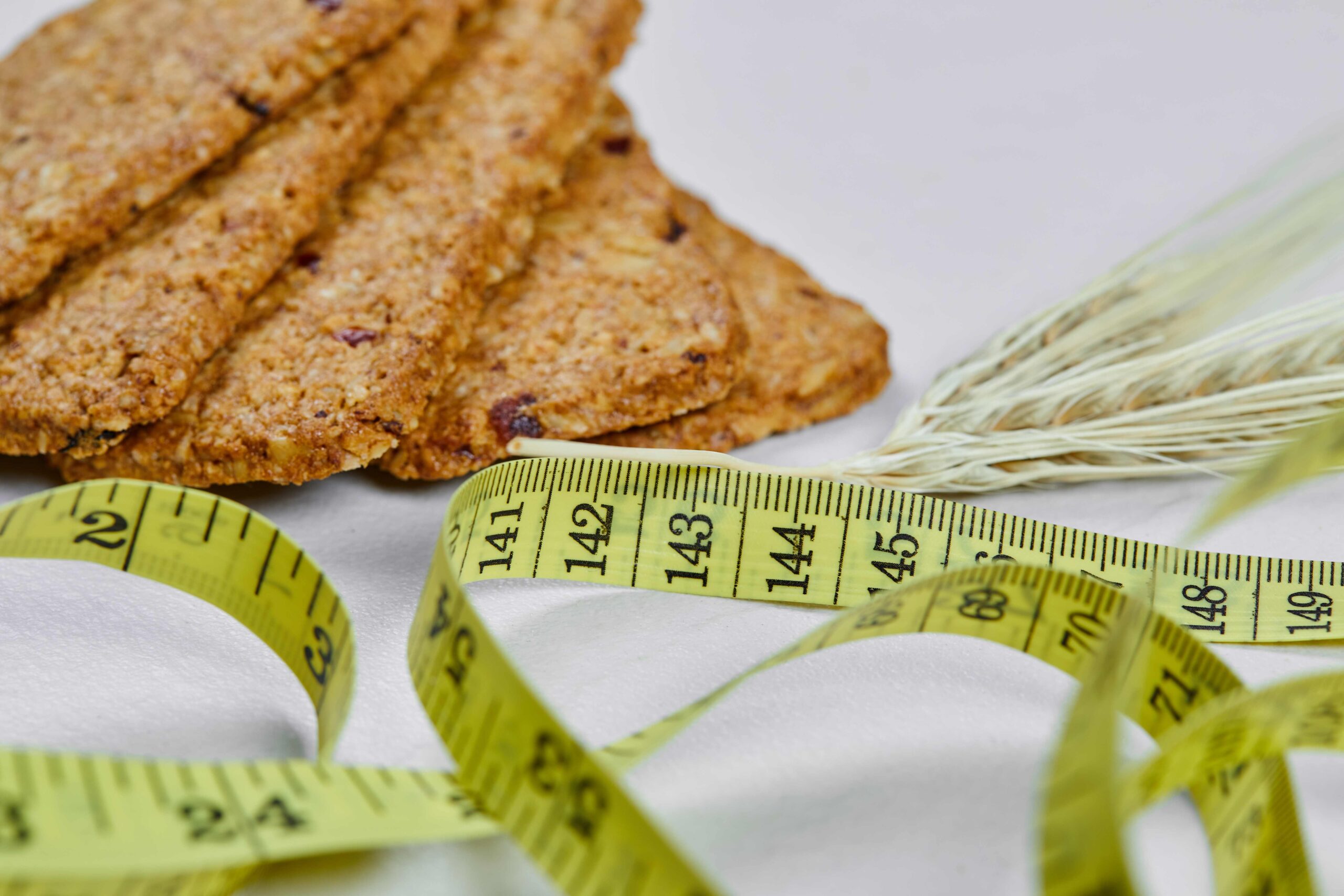
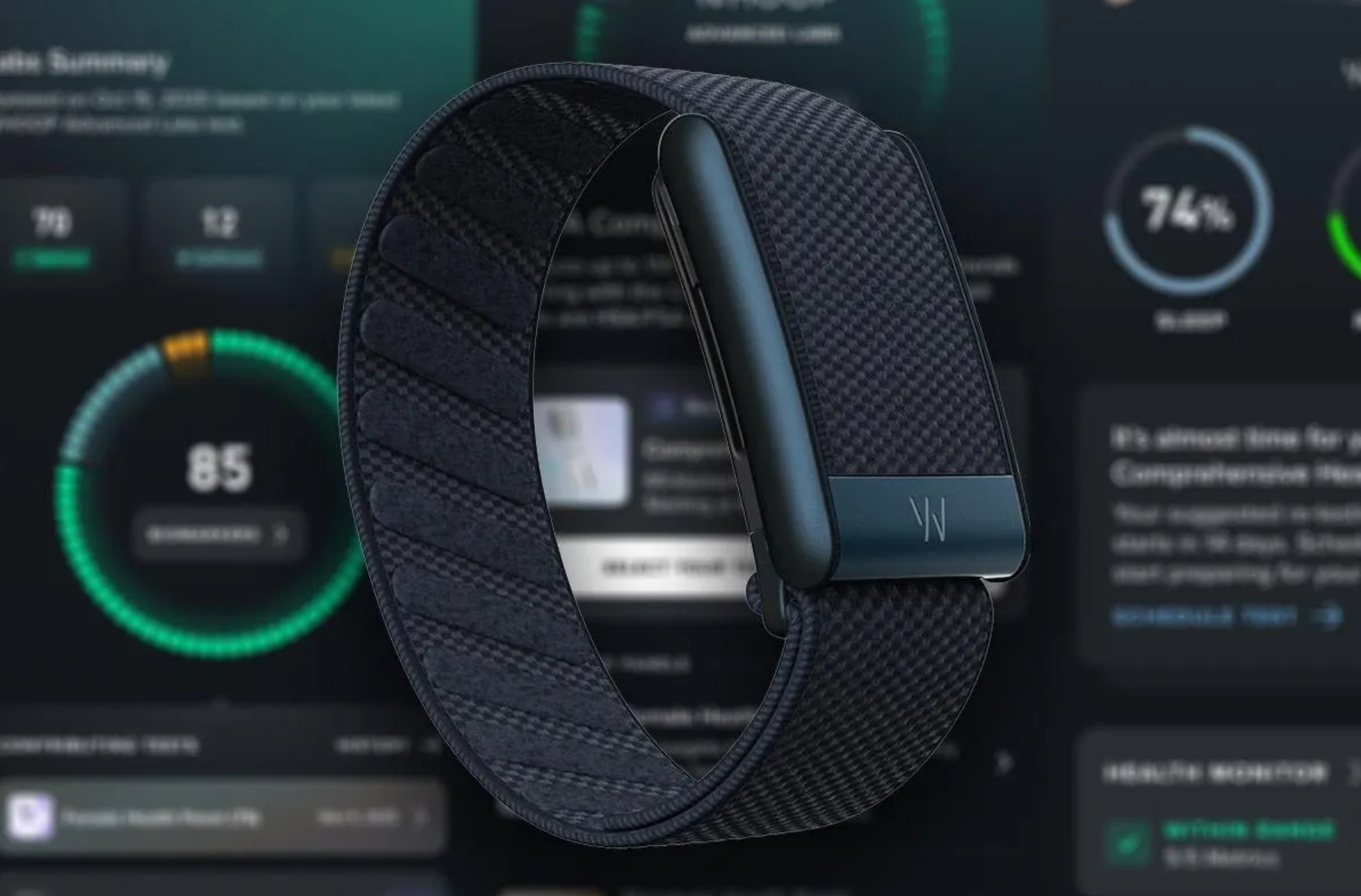
Without tracking your progress, it is easy to feel like nothing is changing. The scale alone does not tell the full story, especially when gaining lean muscle or improving performance. Use performance logs, strength records, photos, or body measurements to get a clearer picture of your progress. Tracking helps you stay motivated and allows you to make data-driven decisions about your routine. The more feedback you have, the easier it is to identify what is working and what needs to improve.
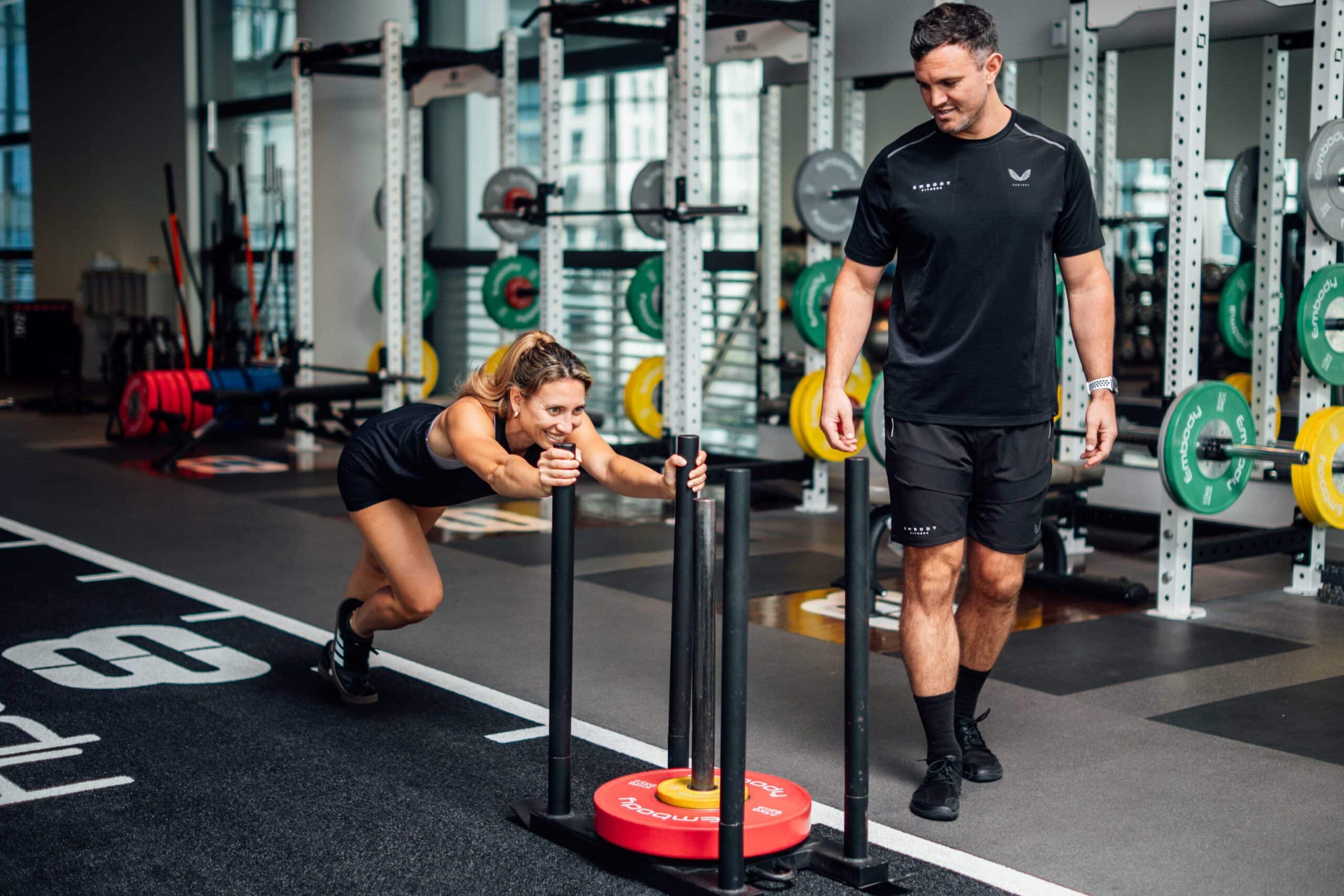
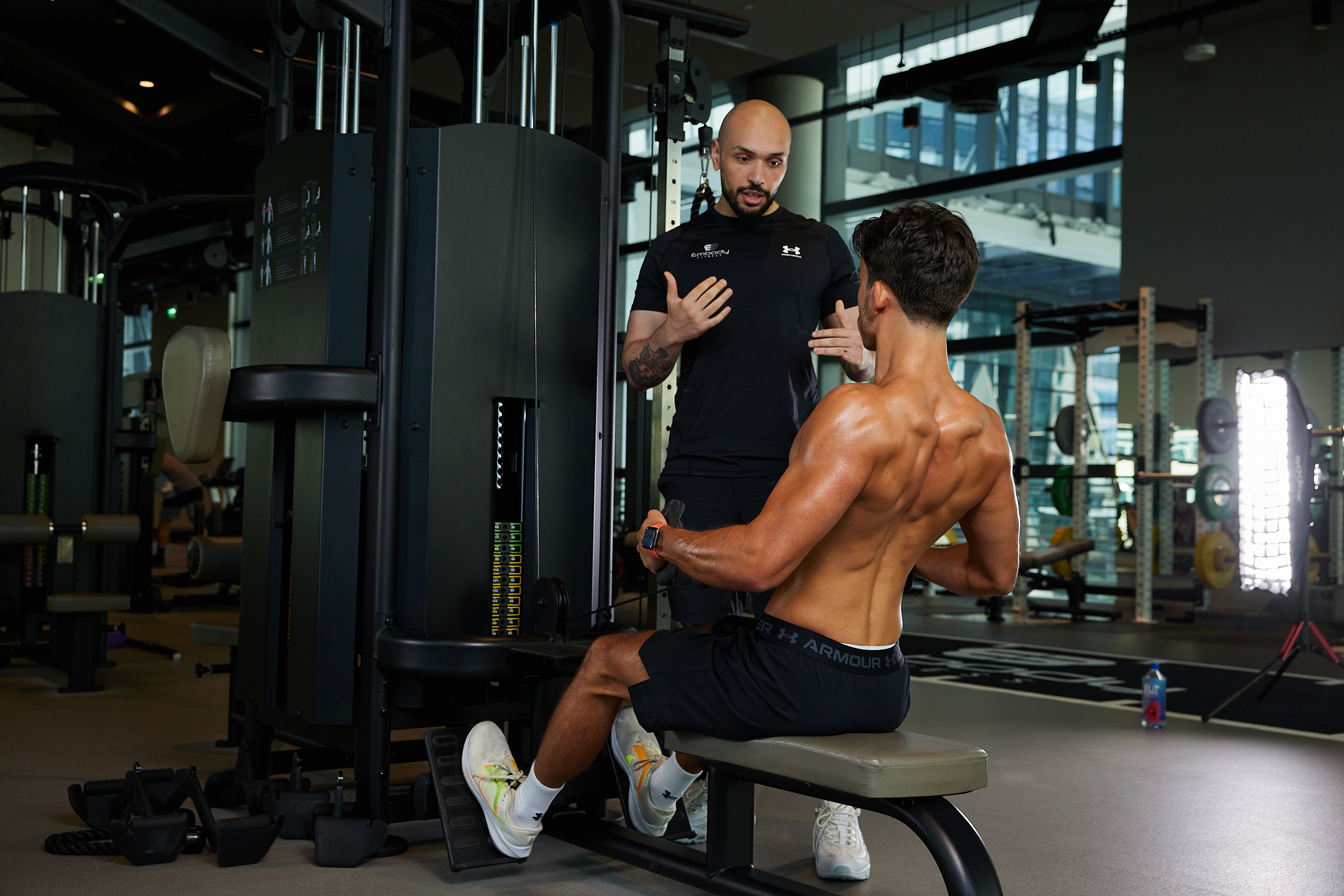
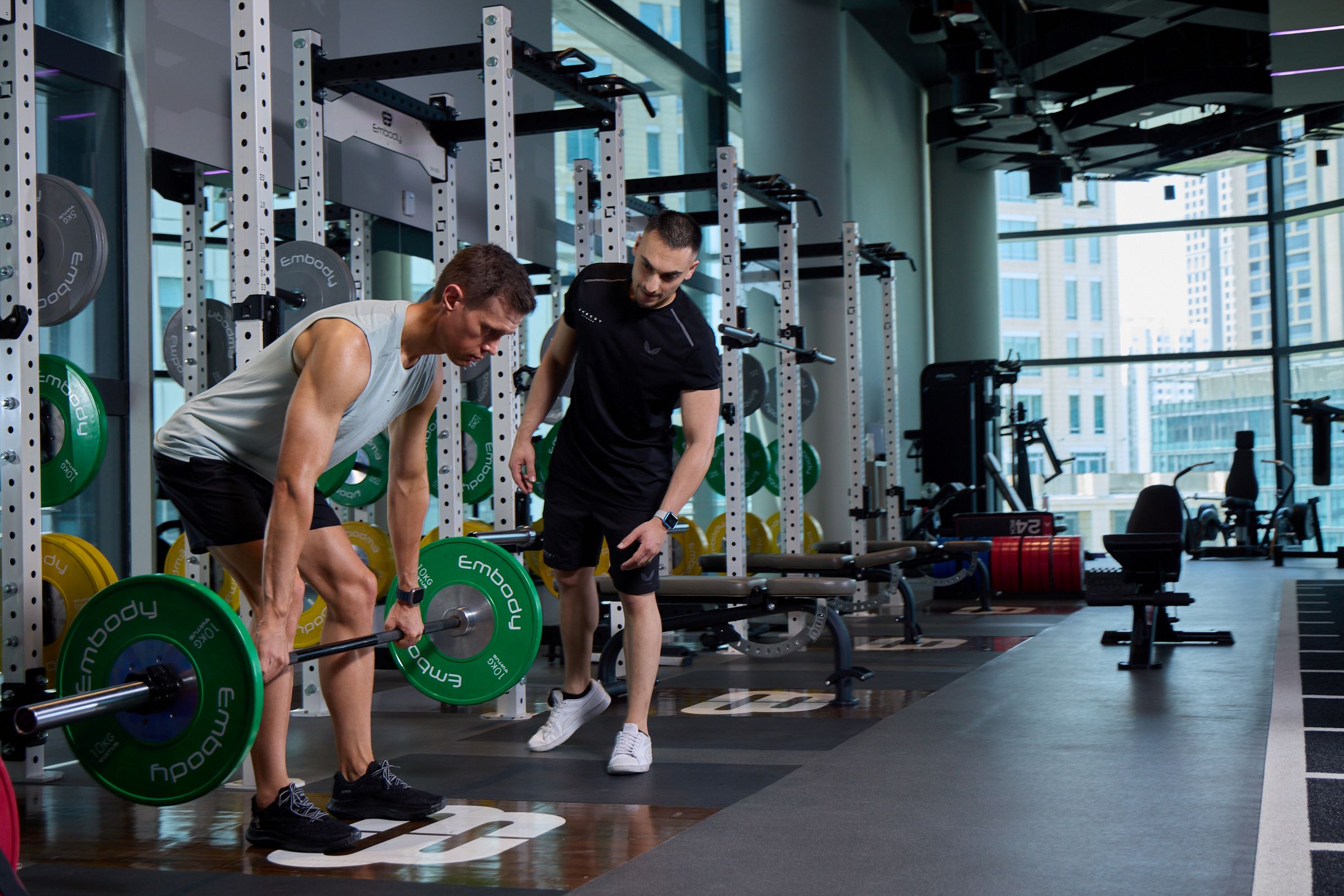
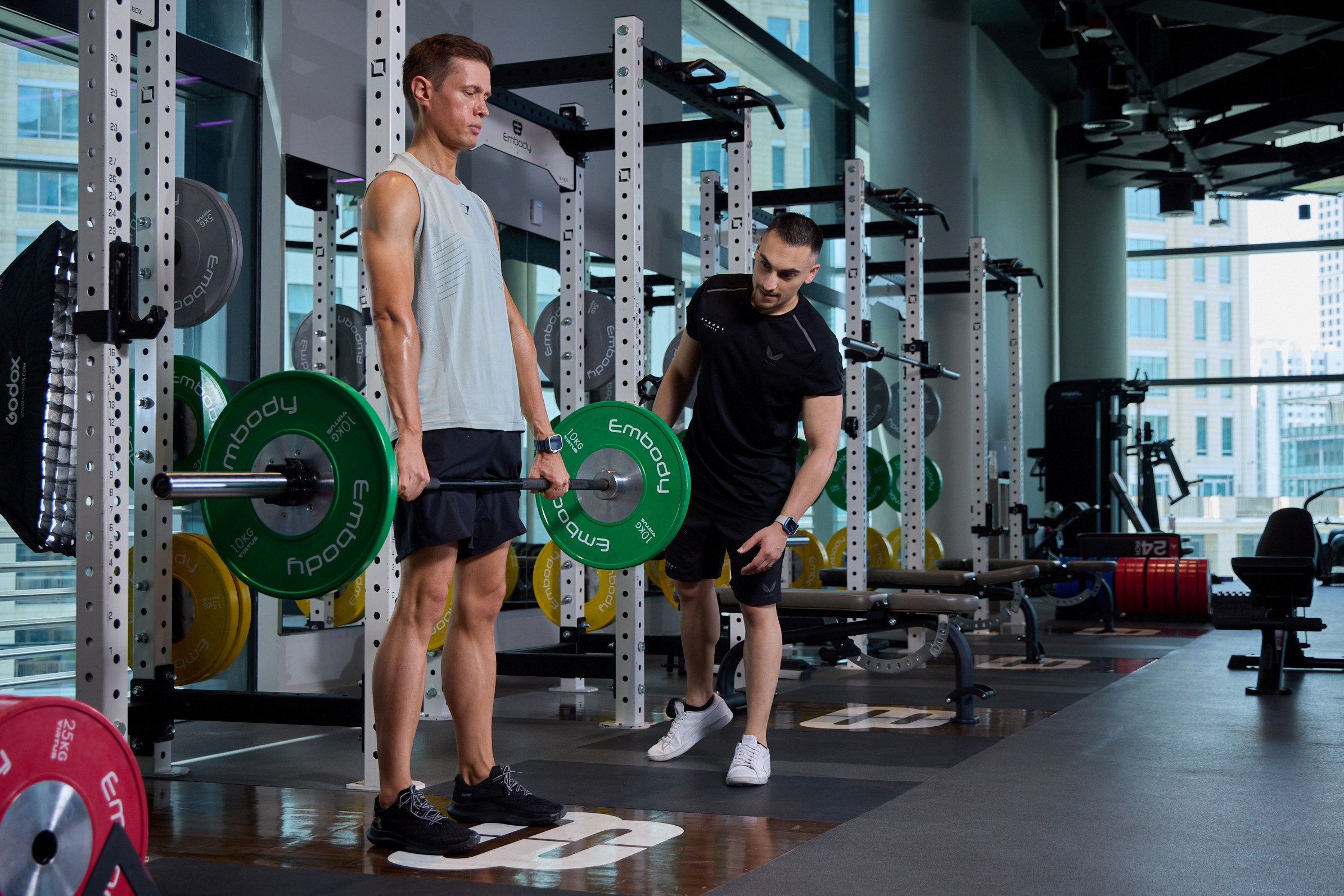
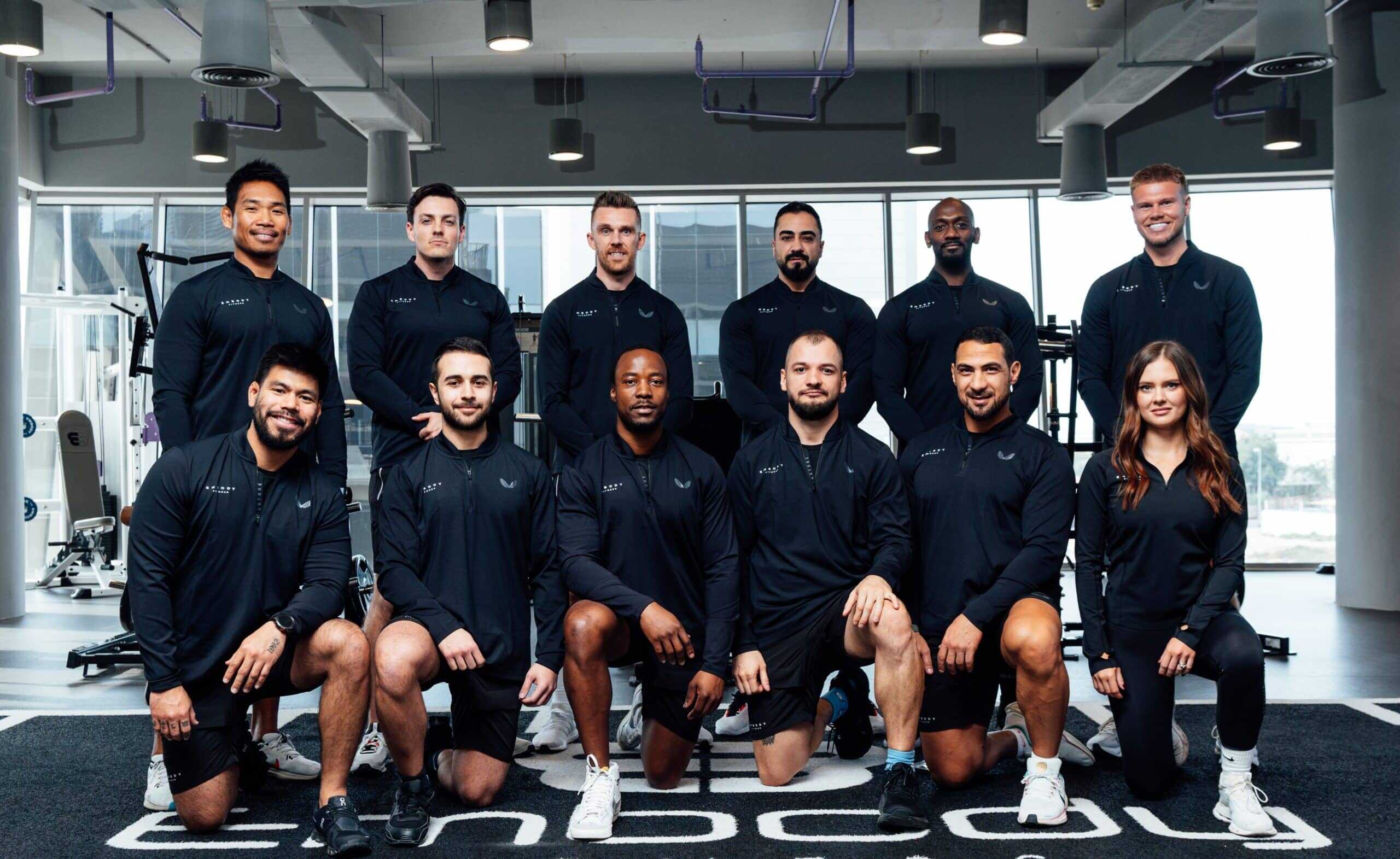
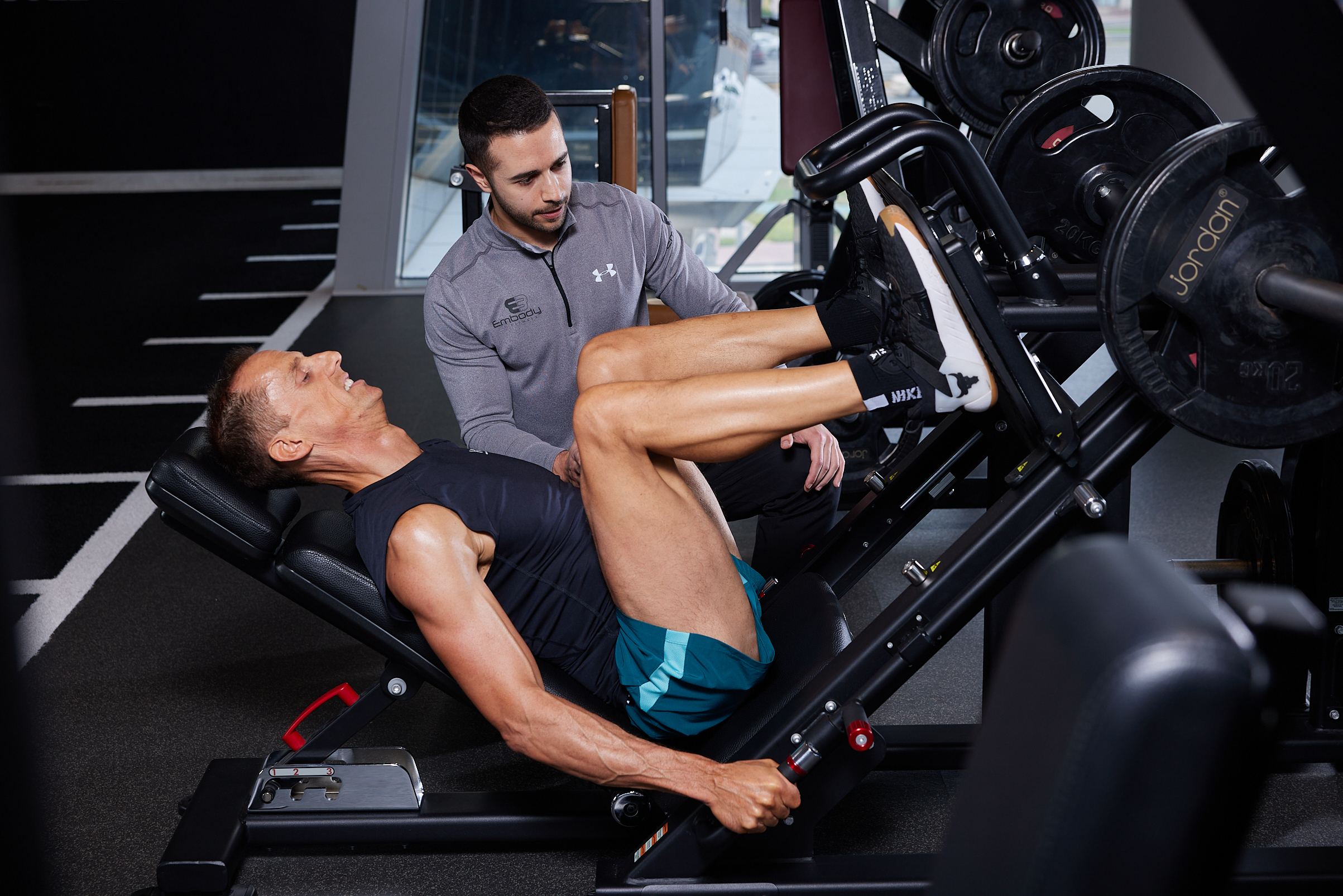
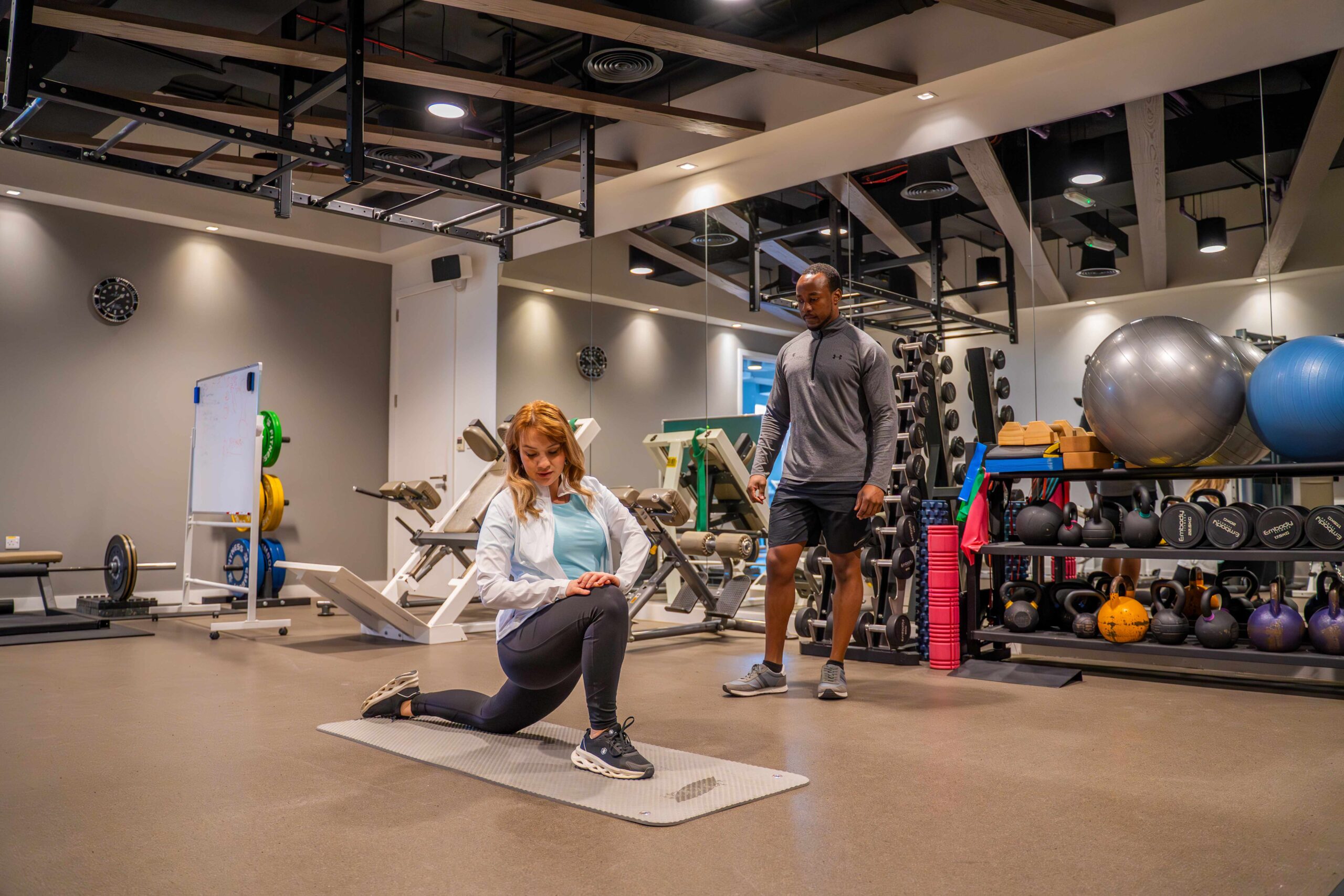
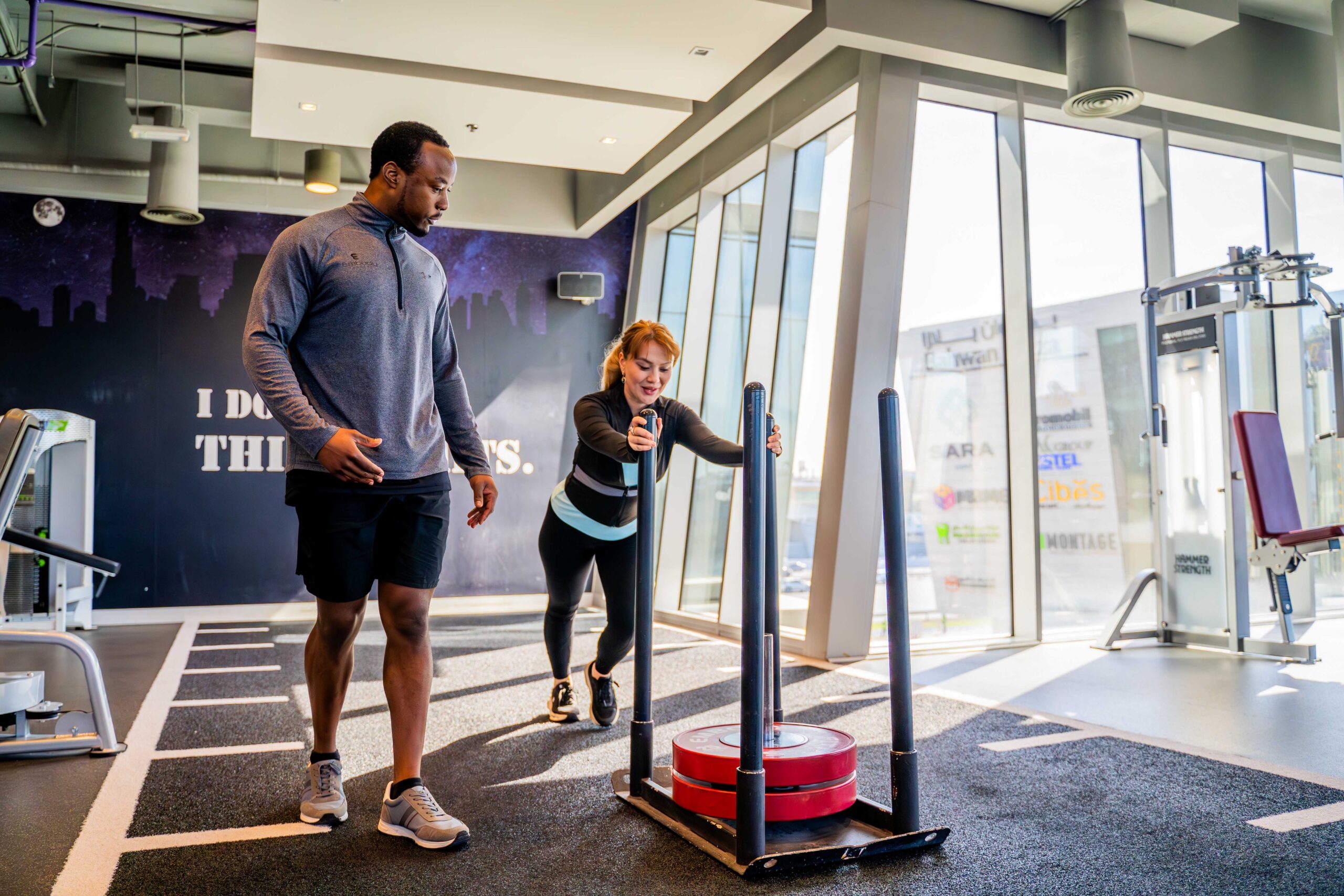
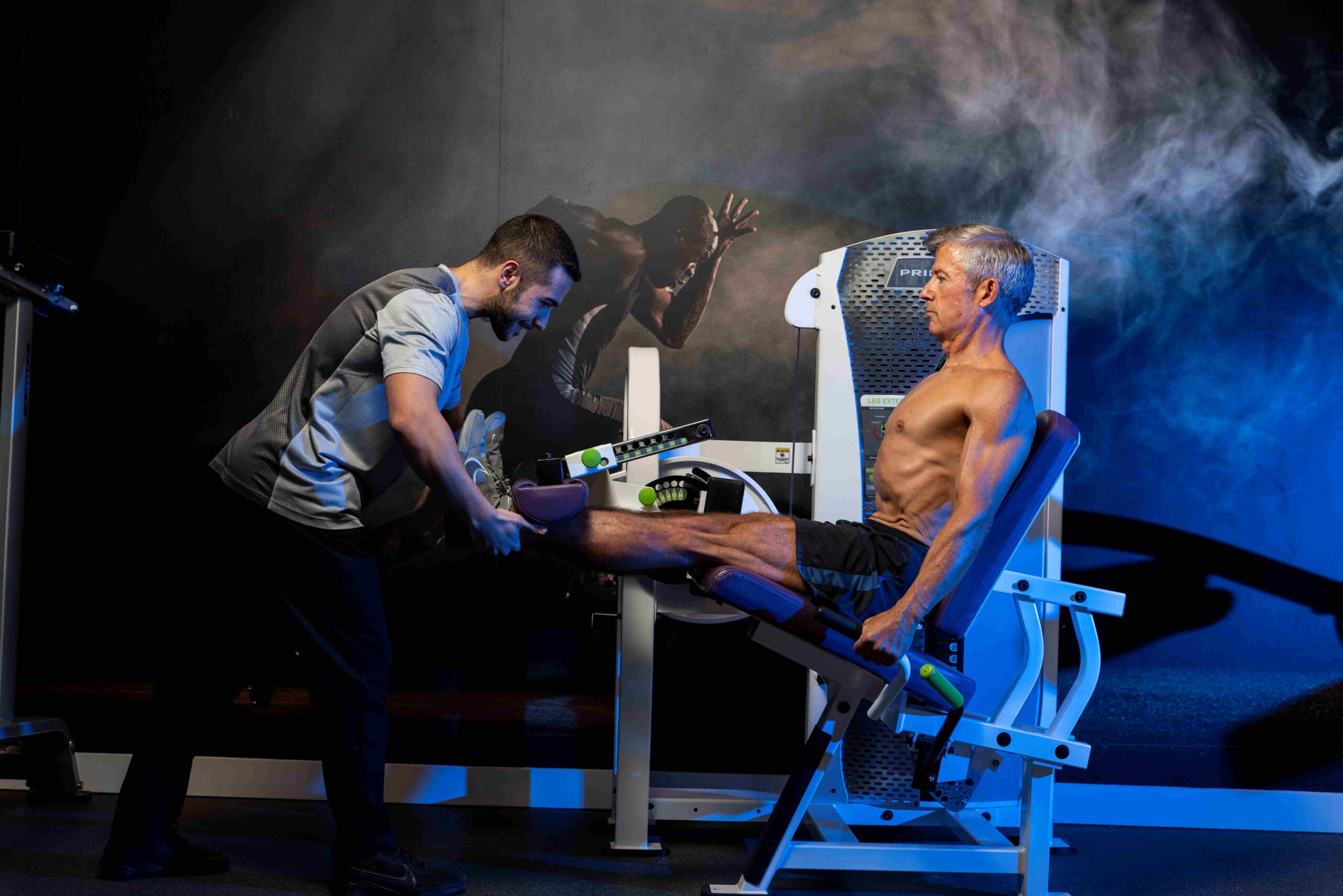
If your workouts are not producing results, it may be time to reassess your approach. Small adjustments in training, nutrition, or recovery can make a big difference over time. For extra support, consider working with Embody personal trainers, who can help tailor your plan to your specific goals and ensure you're on the right track.



Achieve your fitness goals faster with expert personal trainers guiding you every step of the way in just 8 weeks.
Enquire now