Fix Your Ramadan Sleep Cycle: A Recovery Guide for Dubai Executives
Published: March 16, 2026
Category: Healthy Lifestyle Tips
Ramadan changes everything about how you sleep. The suhoor alarm. The late taraweeh prayers. The iftar meals that push deep into the evening. For professionals with demanding schedules, this shift can quickly create a sleep deficit that affects both energy and performance.
The good news is that the problem is manageable. With the right approach, it is possible to maintain recovery, protect cognitive performance, and stay consistent with training throughout the fasting month.
This guide explains how Ramadan fasting affects your sleep cycle and shares a simple three-step plan to help you maintain energy during the month.
The Ramadan sleep cycle challenge is not just about sleeping fewer hours. It is about sleeping at times that do not match your body’s natural sleep rhythm. Your circadian rhythm is your body’s internal clock that controls sleep, hormones, energy levels, and recovery. Under normal circumstances, it follows a predictable light and dark cycle.
During Ramadan, several things change at once. Taraweeh prayers often extend late into the night. Suhoor requires waking up very early. Instead of one long sleep period, your body experiences shorter or broken sleep periods.
Deep sleep is where the body performs its most important recovery work. Muscle repair, hormone regulation, and neurological recovery all happen during this stage. When deep sleep becomes inconsistent, fasting sleep recovery becomes less effective.
These taraweeh sleep tips become especially important for professionals balancing work responsibilities, training, and fasting.
When total sleep hours are limited, the quality of the sleep you get becomes the priority. A consistent pre-sleep routine helps the body transition into deeper sleep stages faster, making every hour of rest more effective.
Simple adjustments include:
Adding five minutes of breathing exercises or a body scan before bed can significantly shorten the time it takes to enter restorative sleep.
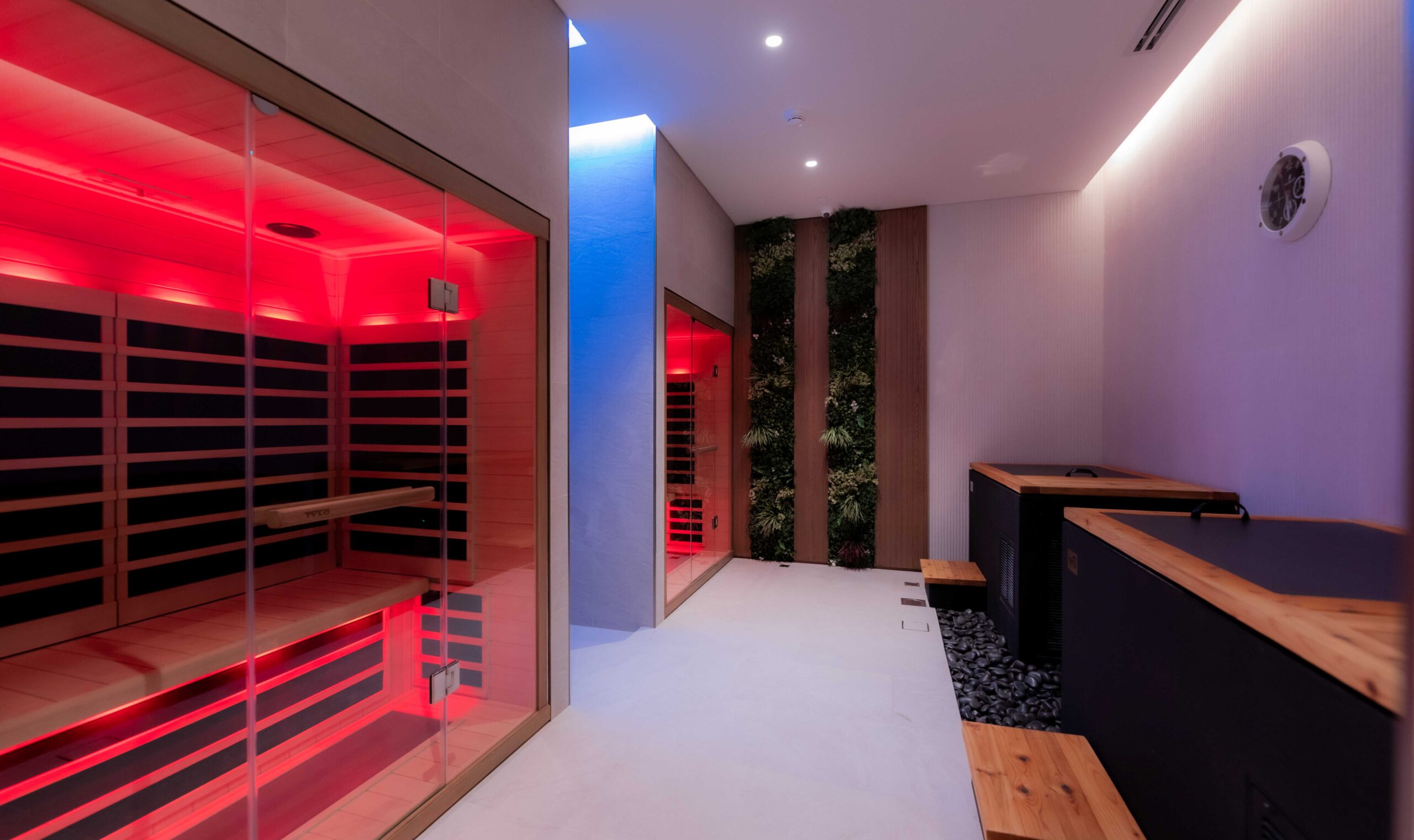
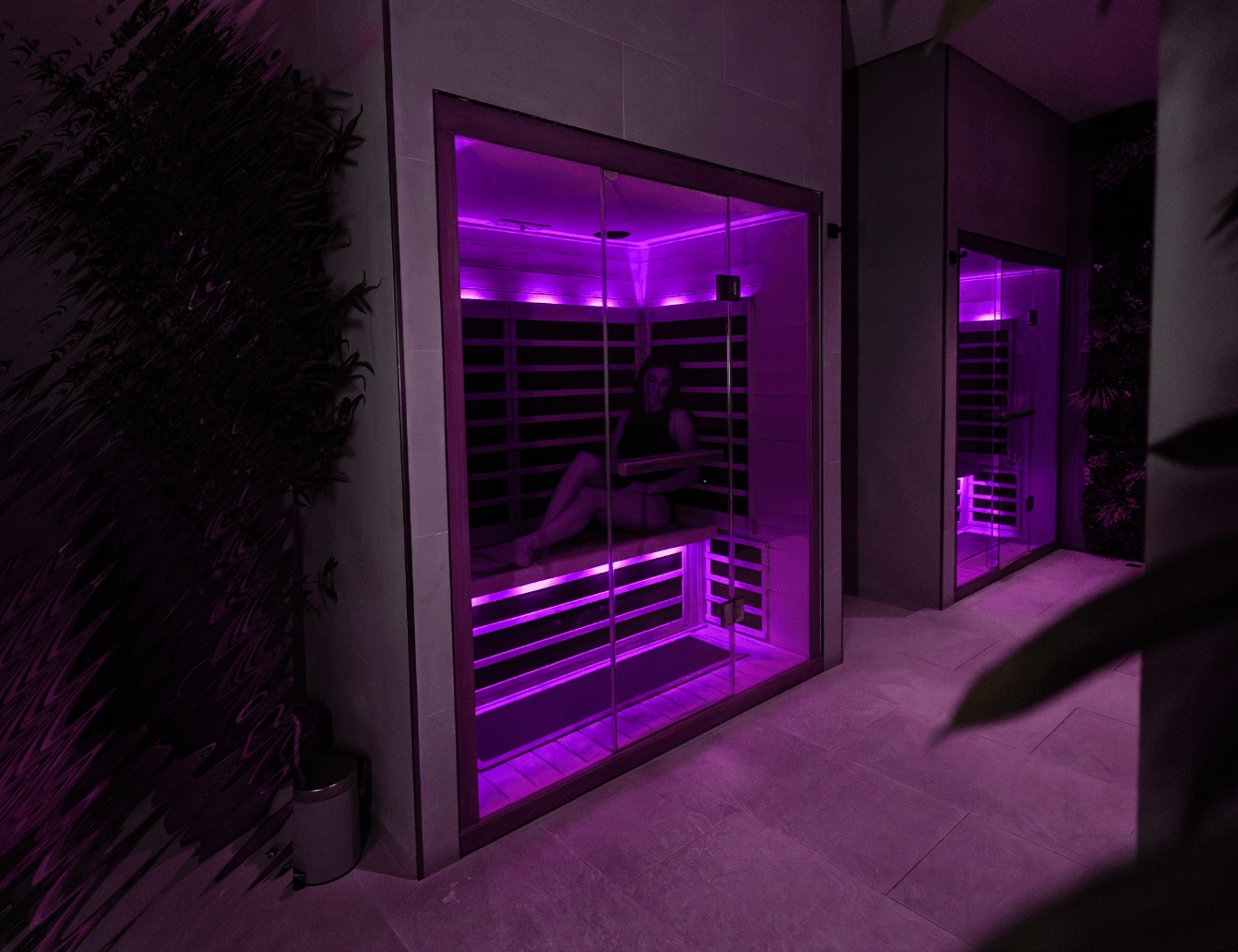
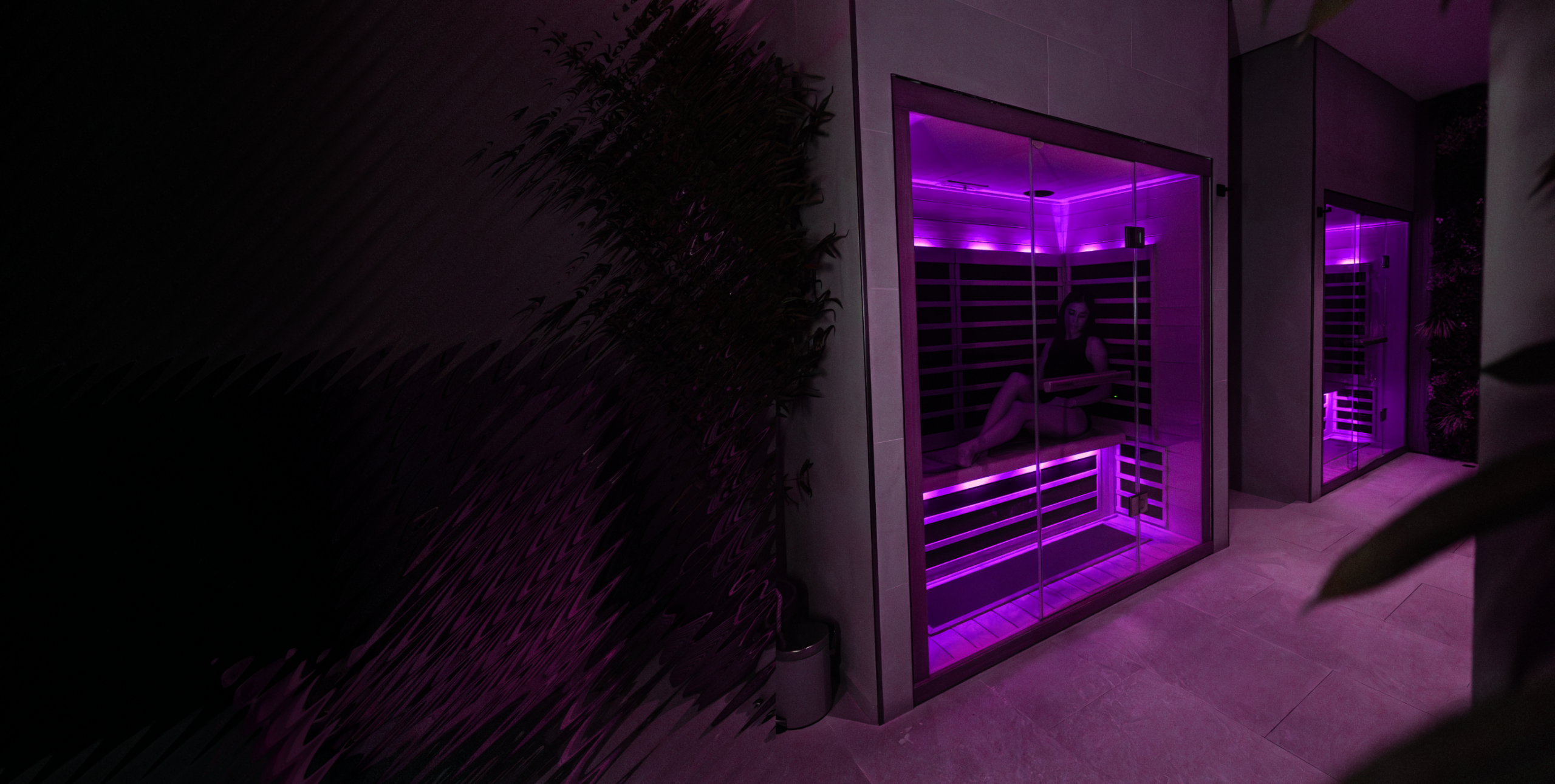
Some professionals also benefit from recovery tools such as an infrared sauna, which helps relax muscles and support the parasympathetic nervous system before sleep.

A short nap can significantly improve recovery during Ramadan. A 20-minute nap between 1pm and 3pm can boost alertness, lower stress hormones, and help you think more clearly in the afternoon.
The key is keeping the nap short. Staying under 20 minutes ensures you remain in light sleep, allowing you to wake up refreshed rather than groggy. If a full nap is not possible, even 10 minutes of rest with your eyes closed can help you feel less tired.
These short recovery windows help compensate for the shorter nights caused by suhoor and late evening prayers.
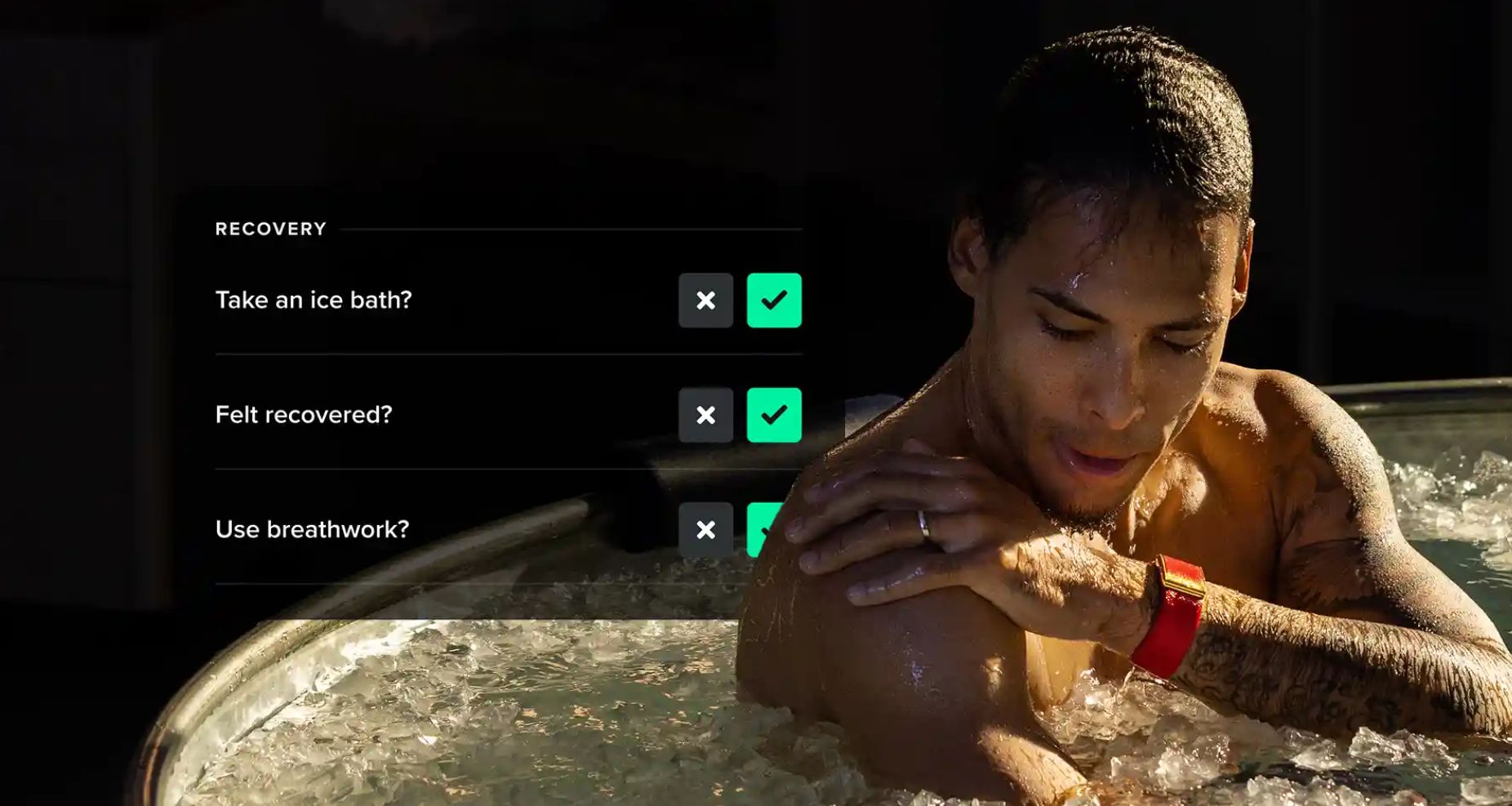
When sleep hours are shortened, physical recovery tools can help the body repair faster. Cold immersion is one of the best ways to help your body recover during Ramadan.
A cold plunge ice bath after training reduces muscle soreness, lowers inflammation, and helps regulate the nervous system. Many professionals use it to accelerate recovery and improve sleep quality later that night.
Cold exposure also helps lower body temperature, which can improve sleep quality during Ramadan. These recovery tools work best when combined with consistent sleep routines, balanced nutrition, and appropriate training intensity.

Sleep does more than help you feel rested. It plays a direct role in hormone balance and overall physical performance.
When deep sleep becomes inconsistent, cortisol levels rise and recovery slows down. This can affect muscle repair, metabolism, and mental focus.
Maintaining consistent sleep habits during Ramadan helps stabilise hormone rhythms and supports both training and professional performance.
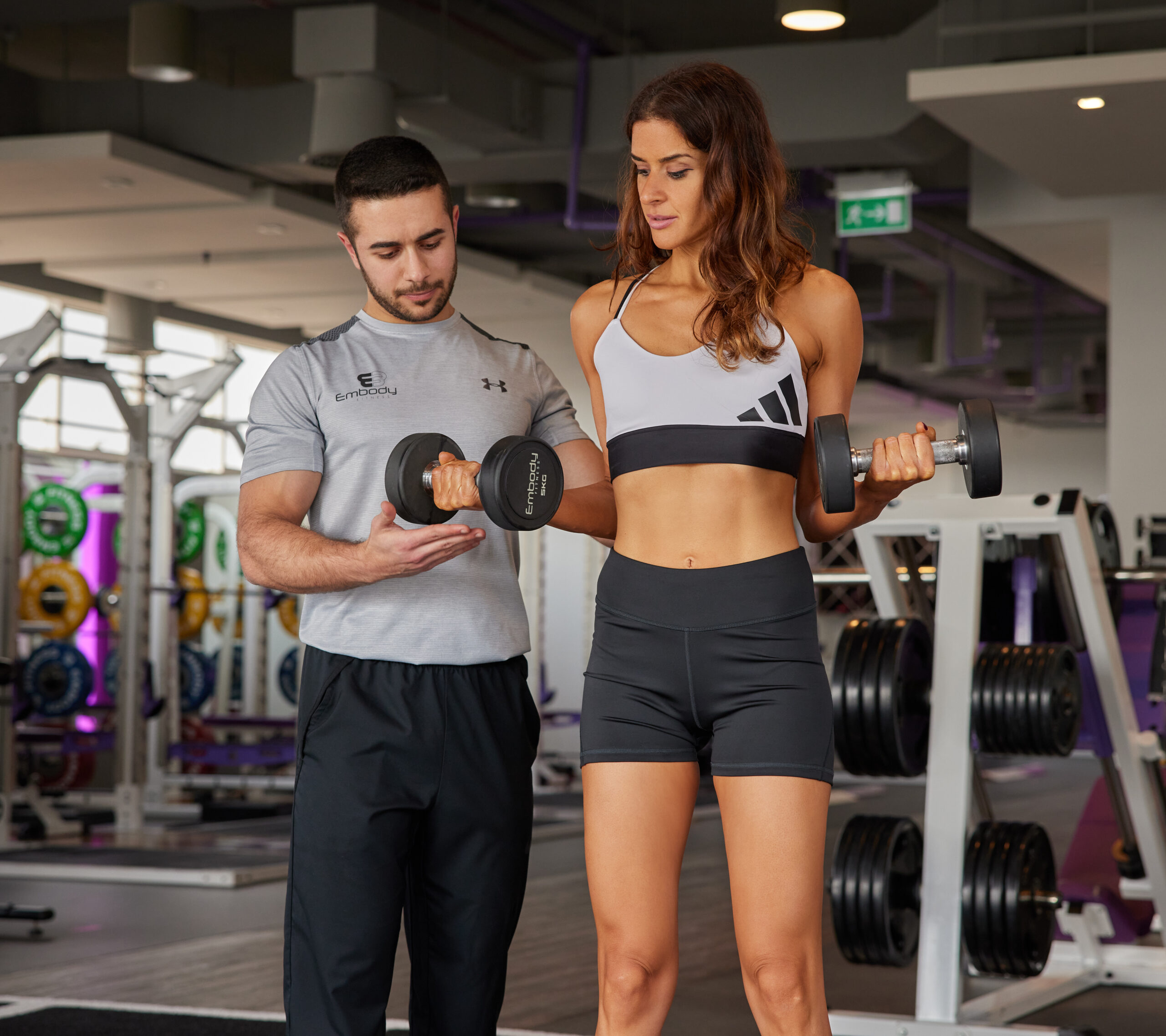
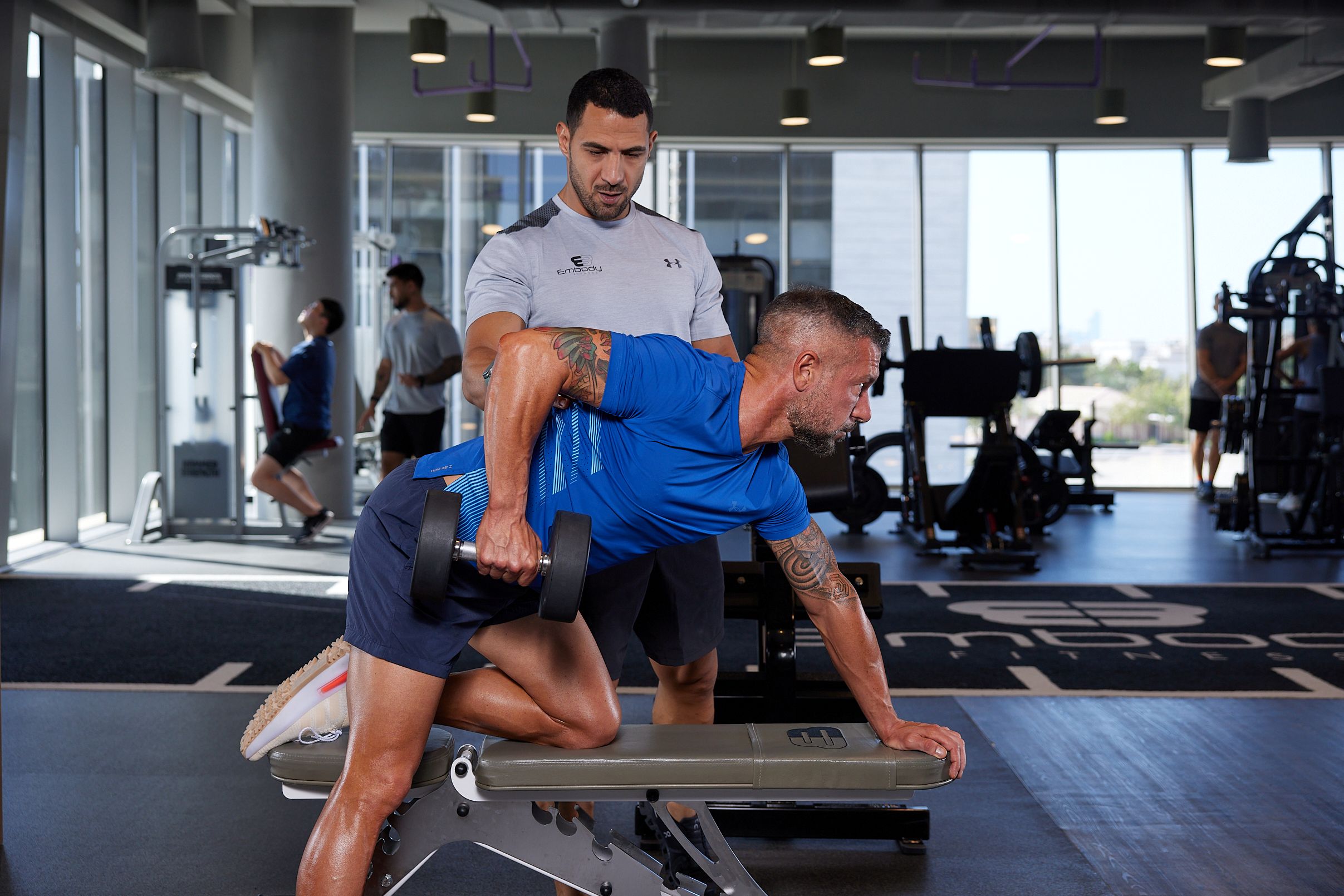
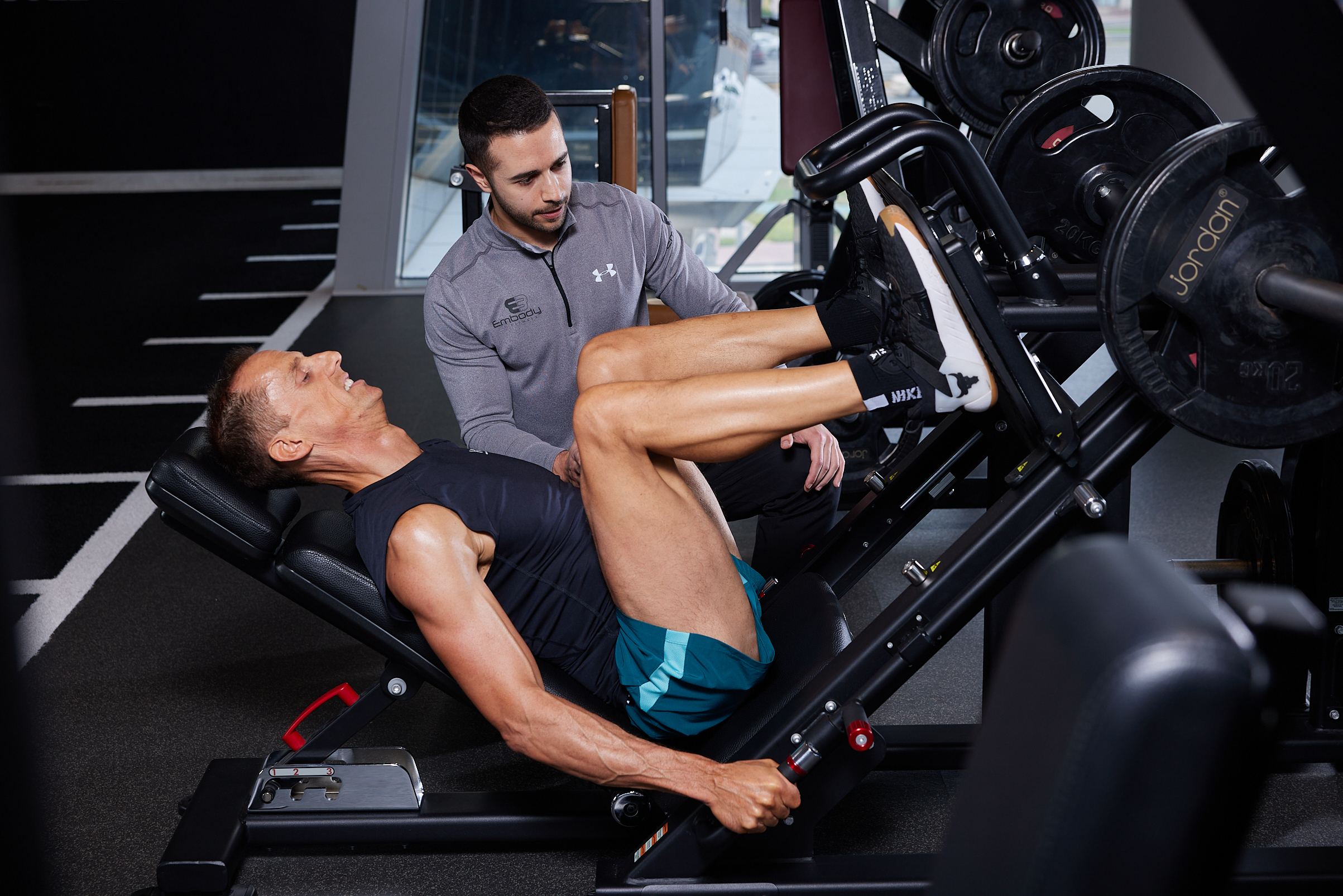
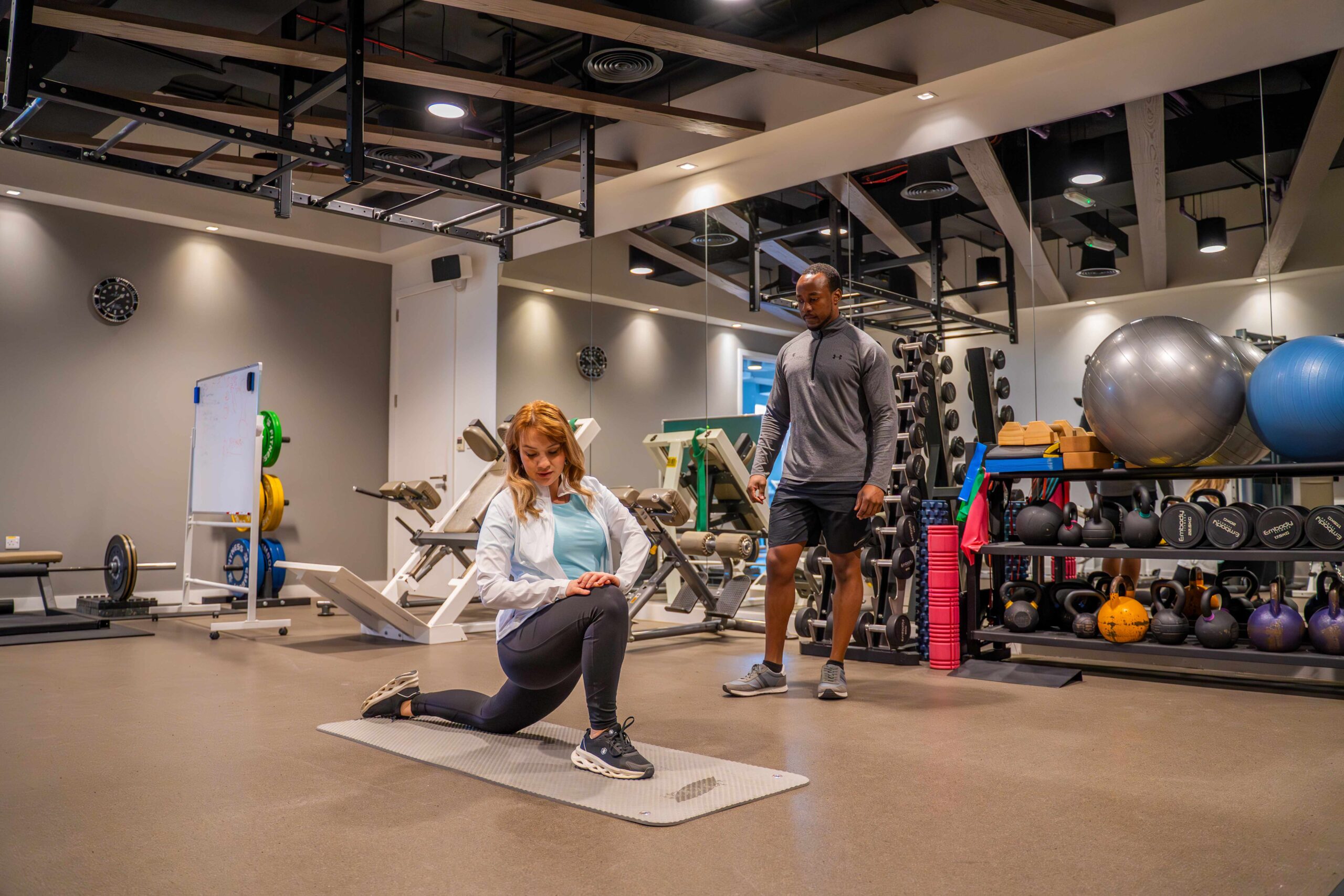
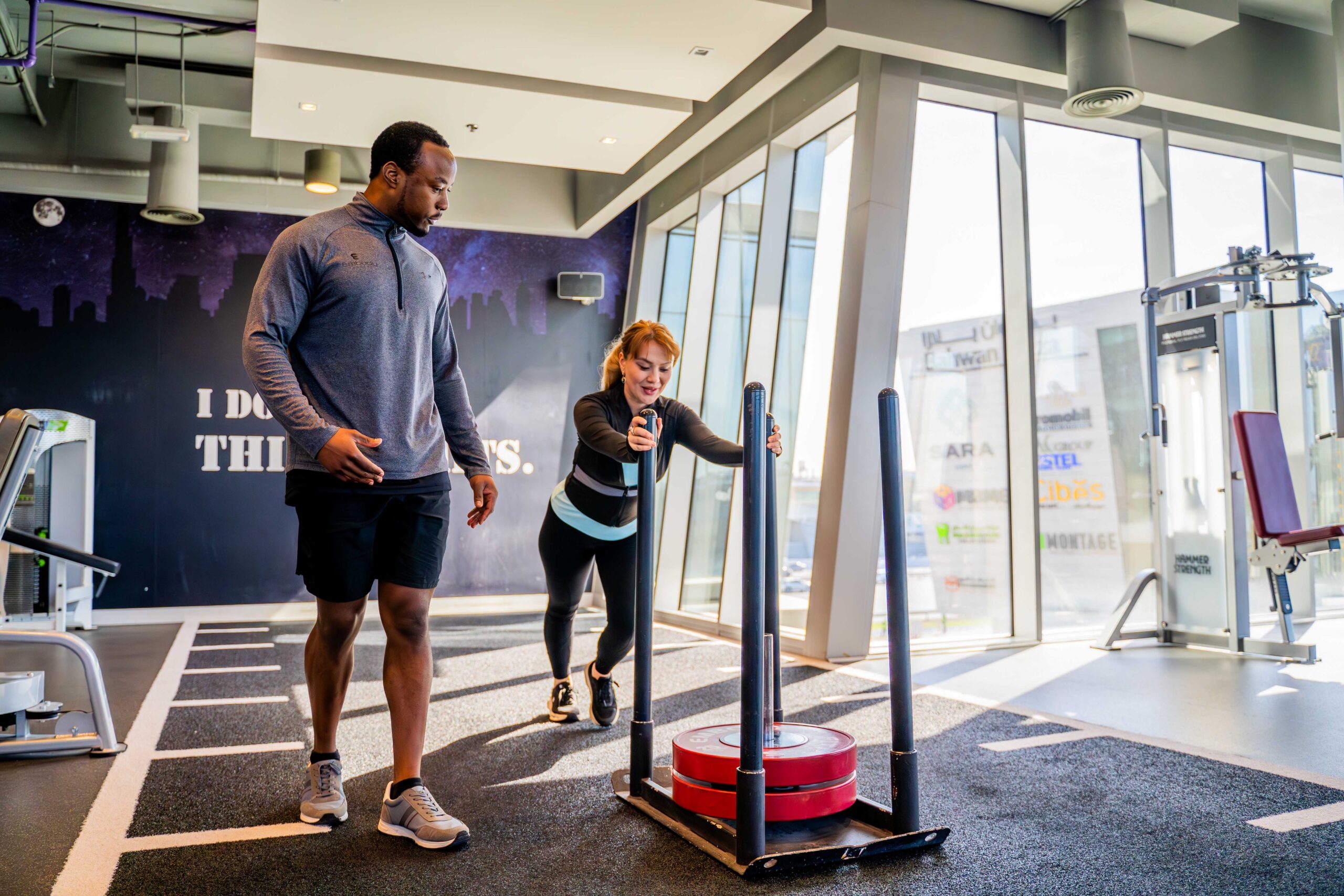
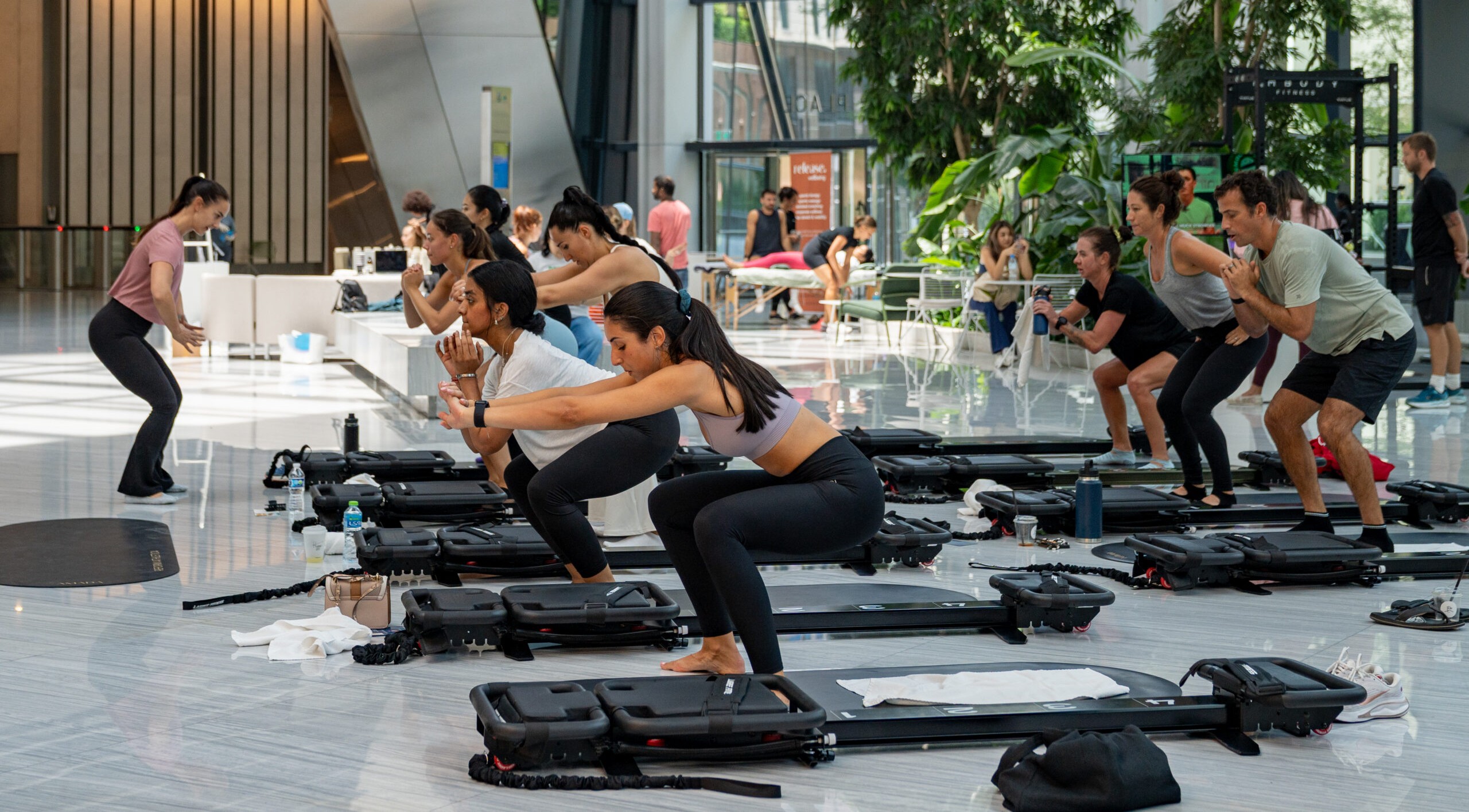
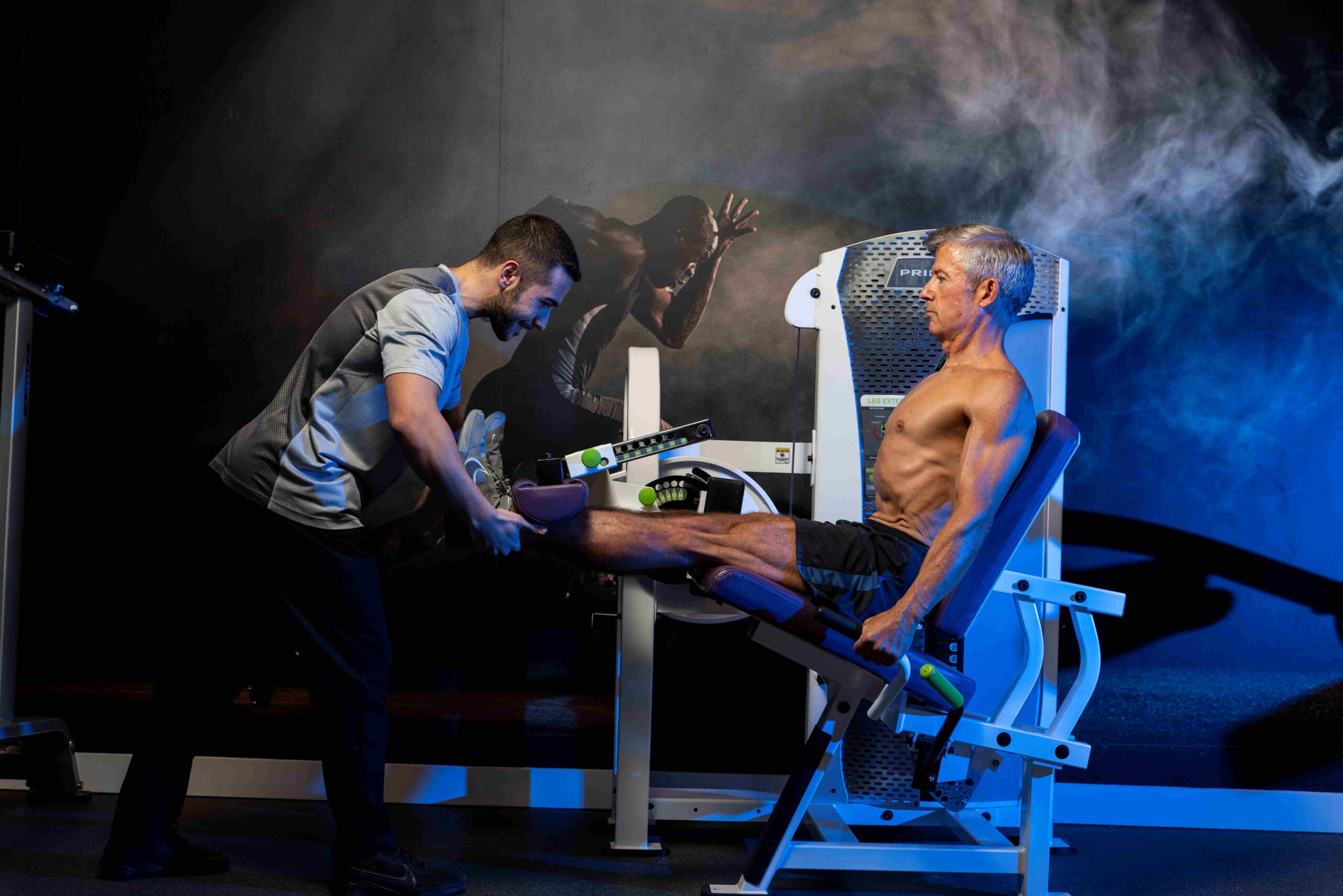
Many professionals combine structured sleep routines with guided training to keep workouts and recovery aligned during the fasting month.
Ramadan does not have to mean losing energy, focus, or fitness progress. With the right sleep habits, strategic naps, and recovery support, it is possible to maintain high performance throughout the fasting month.
If you want a structured approach to recovery, training, and performance during Ramadan, the Embody Fitness team can help.
Book a recovery session with Embody Fitness and get a Ramadan recovery plan designed around your sleep schedule, training routine, and daily workload.



Achieve your fitness goals faster with expert personal trainers guiding you every step of the way in just 8 weeks.
Enquire now