How High-Performing Professionals Actually Eat During Ramadan
Published: February 16, 2026
Category: Food & Nutrition
Eating during Ramadan is less about food choices and more about structure. For professionals balancing long workdays, limited sleep, and fasting, the timing and composition of meals often matter more than variety or portion size.
Suhoor and iftar play very different roles. When they are treated as functional meals rather than emotional ones, energy stays more stable, focus improves, and recovery becomes easier to manage across the month.
For many professionals in Dubai, suhoor sets the tone for the entire fasting day. It influences mental clarity, hunger control, and how steady energy feels during long working hours.
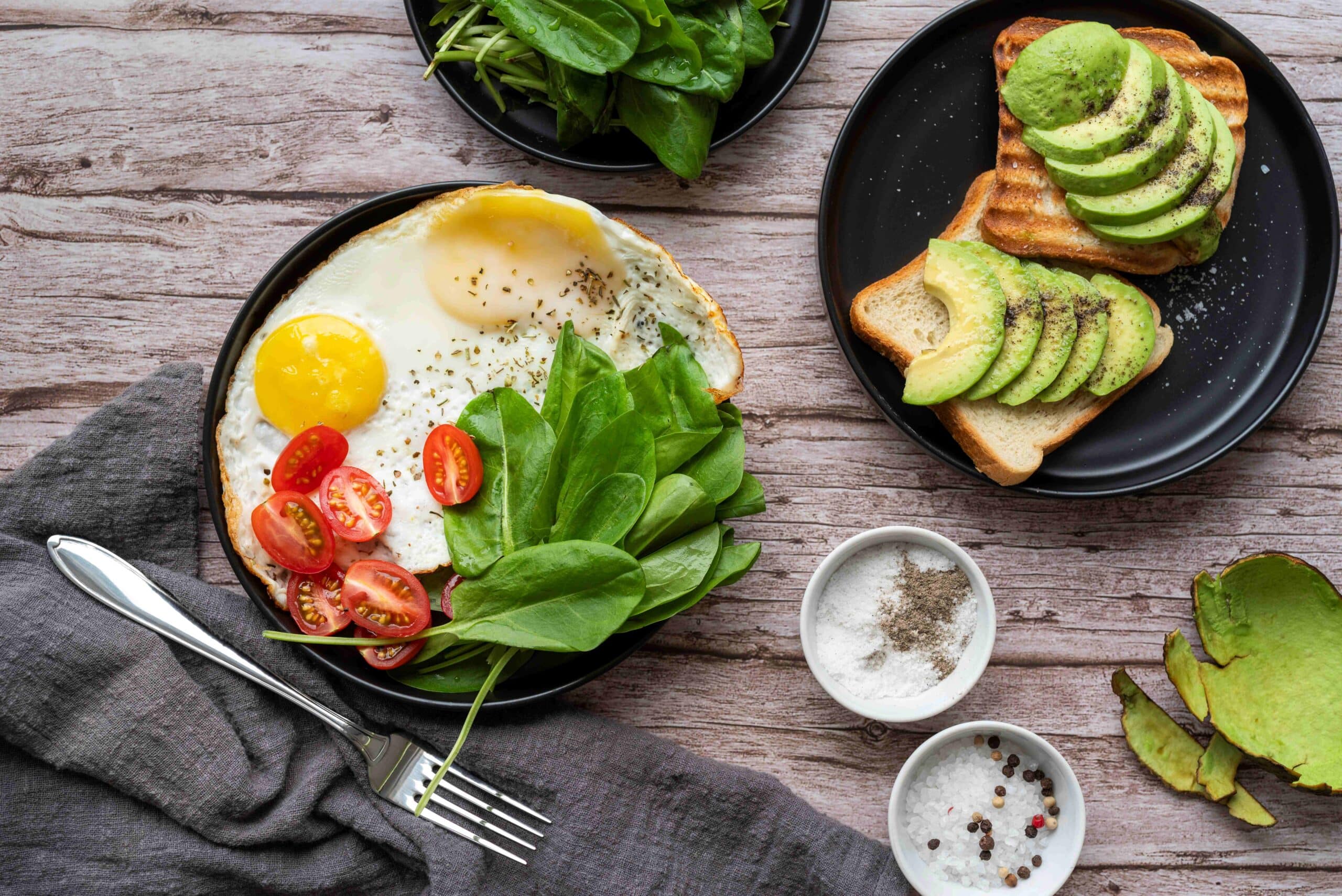
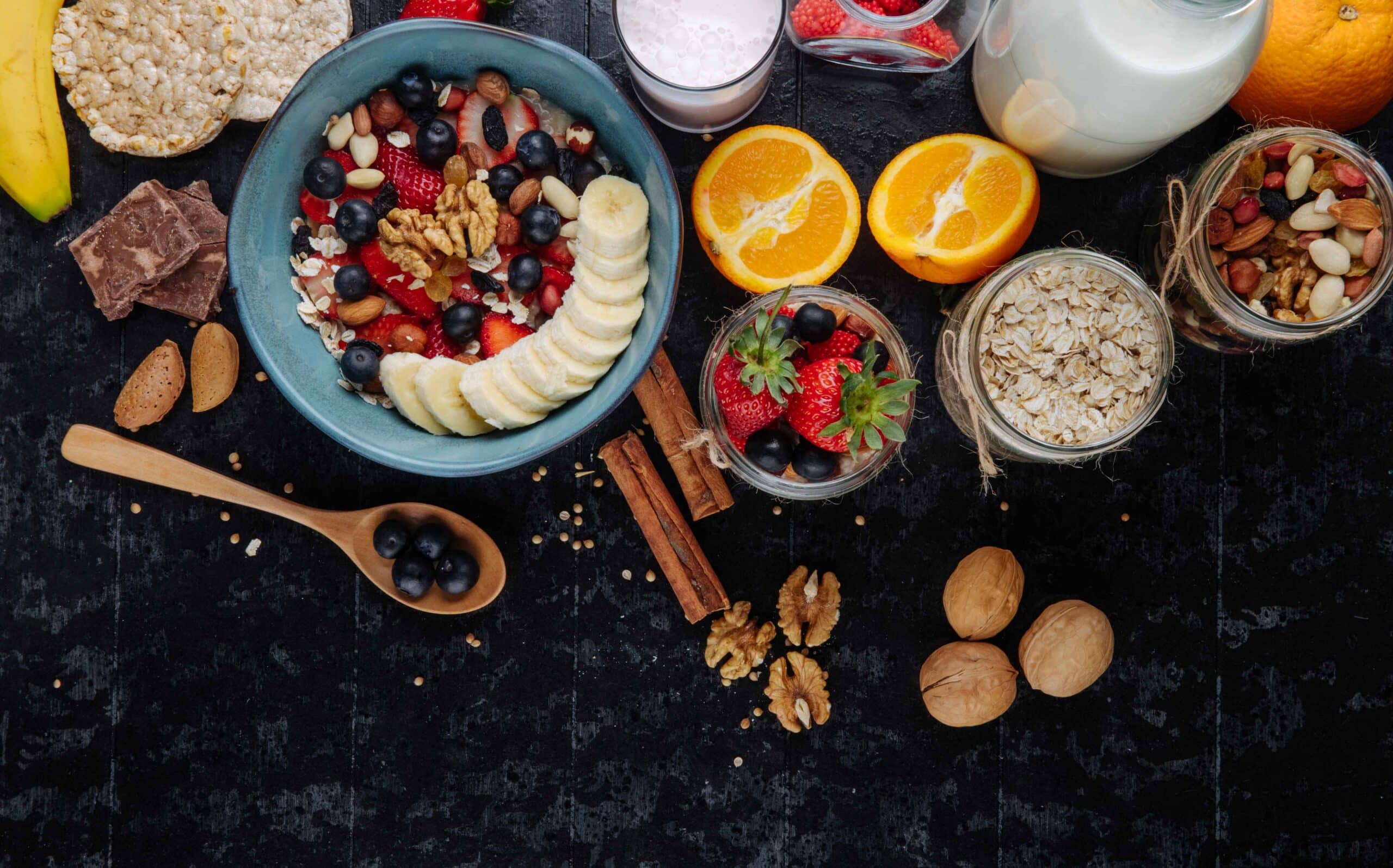
Effective suhoor meals prioritise slow digestion and blood sugar stability. Protein forms the base, supported by fibre or healthy fats that slow glucose release. Hydration is just as important, as dehydration often causes fatigue and brain fog before hunger does.
Iftar serves a different purpose. Instead of compensating for the entire day at once, high-performing professionals tend to reintroduce food gradually. Breaking the fast lightly, allowing digestion to settle, and eating a balanced meal later in the evening helps prevent lethargy and supports training or recovery at night.
Having a clear meal planning structure helps professionals in Dubai remove daily decision fatigue and stay consistent with suhoor and iftar despite busy schedules.
An executive Ramadan diet is not about restriction. It is about avoiding extremes that disrupt focus and recovery.
Large amounts of fast-digesting carbohydrates eaten without protein or fibre cause sharp rises in blood sugar, followed by crashes that affect mood, productivity, and sleep. This often happens when iftar becomes the largest and fastest meal of the day.
Professionals who maintain steady energy typically rely on a few simple principles:
This approach keeps blood sugar steadier through the night and into the next day, while reducing late-night snacking that often leads to unwanted weight gain.
For more clarity, read our fasting nutrition guide for Dubai to understand how meal timing affects energy and recovery.
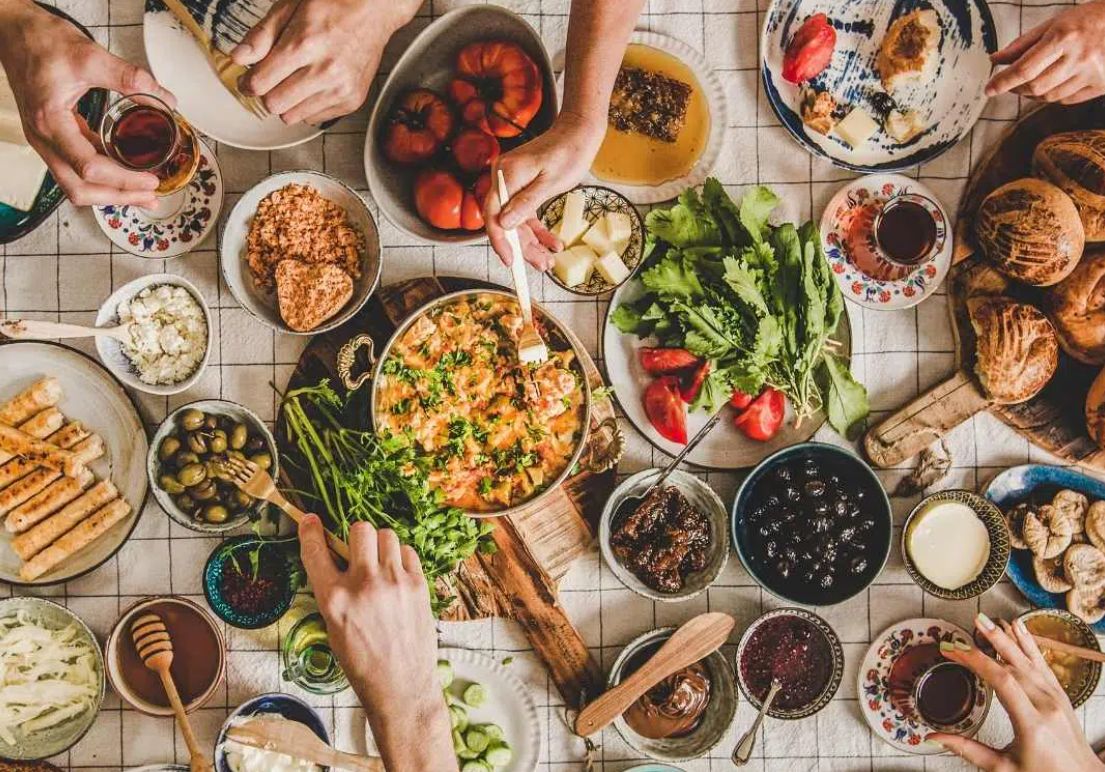
During Ramadan, recovery depends heavily on when nutrients are consumed.
Protein intake in the evening supports muscle repair, especially for those training post-iftar. Carbohydrates timed around training help replenish glycogen without spilling into unnecessary late-night intake. Hydration earlier in the evening supports sleep quality and next-day energy.
High-performing professionals often follow a simple rhythm:
This structure supports overnight recovery and reduces next-day fatigue, particularly when sleep windows are shorter than usual.
For those managing body composition during Ramadan, aligning nutrition timing with training demands supports a sustainable weight loss approach without aggressive restriction.
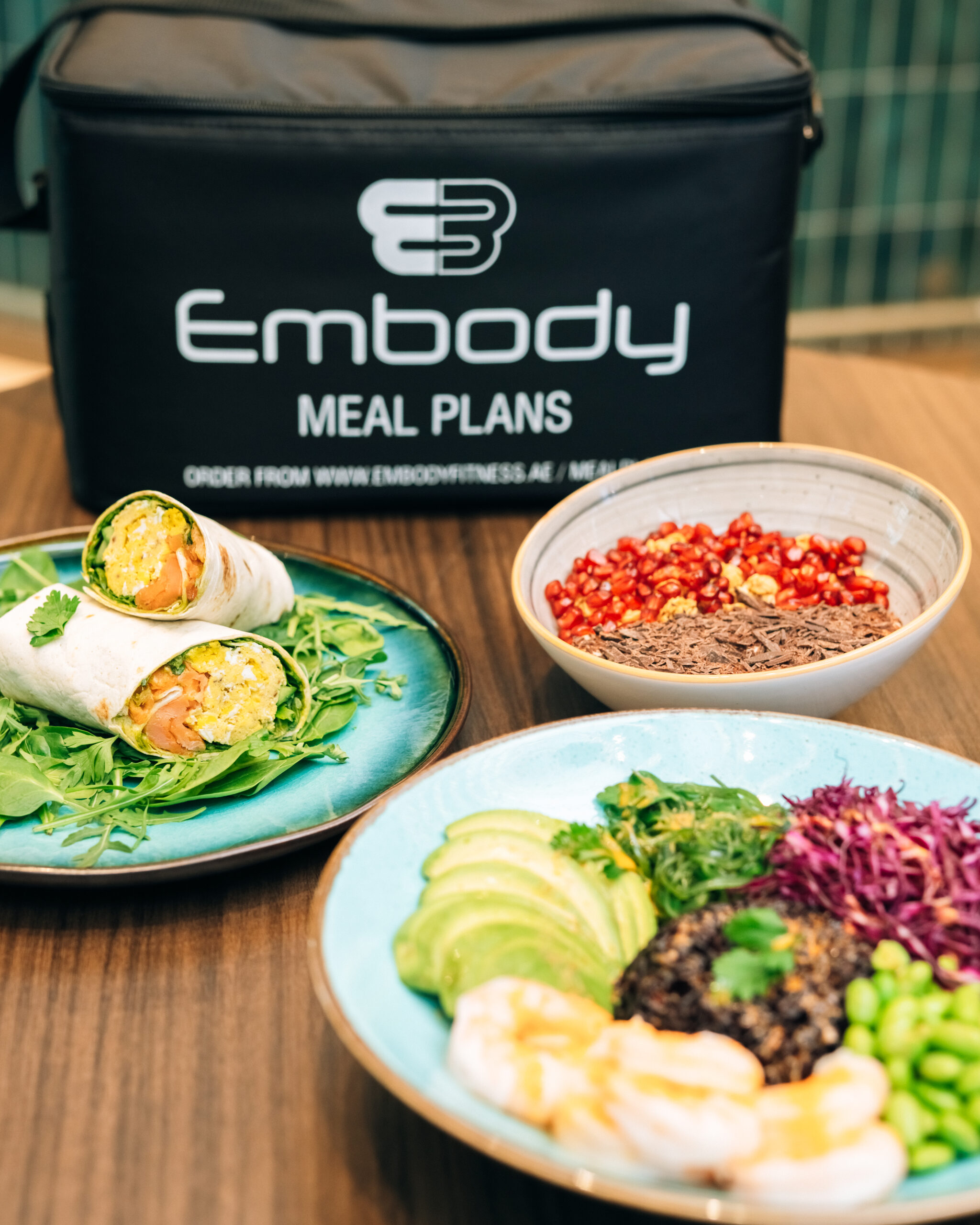
Successful Ramadan nutrition is rarely about perfection. It is about reducing extremes.
When meals are structured, energy remains stable. When portions are spaced, insulin spikes are reduced. When recovery is supported, consistency becomes easier.
For professionals, this allows Ramadan to support performance rather than disrupt it.
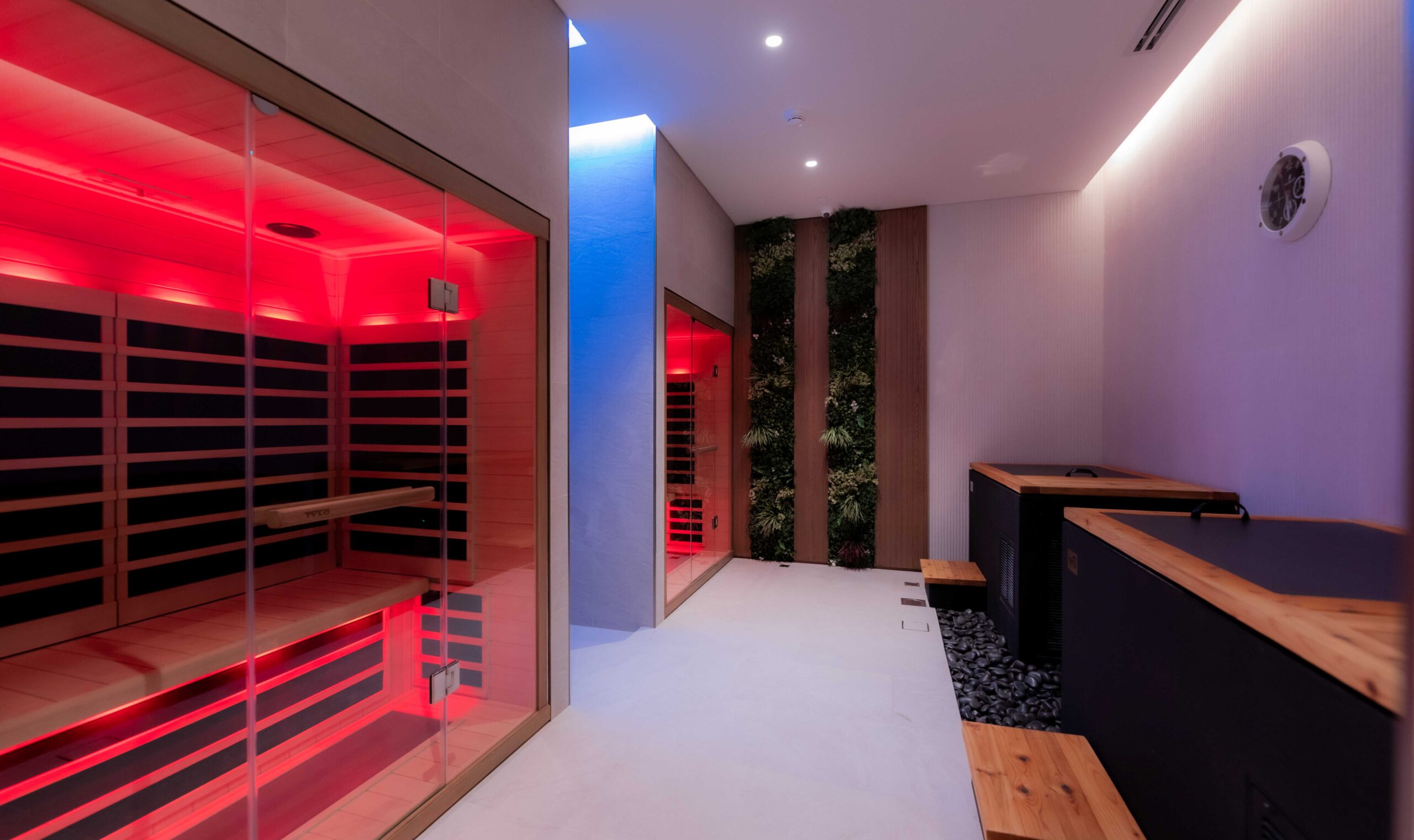
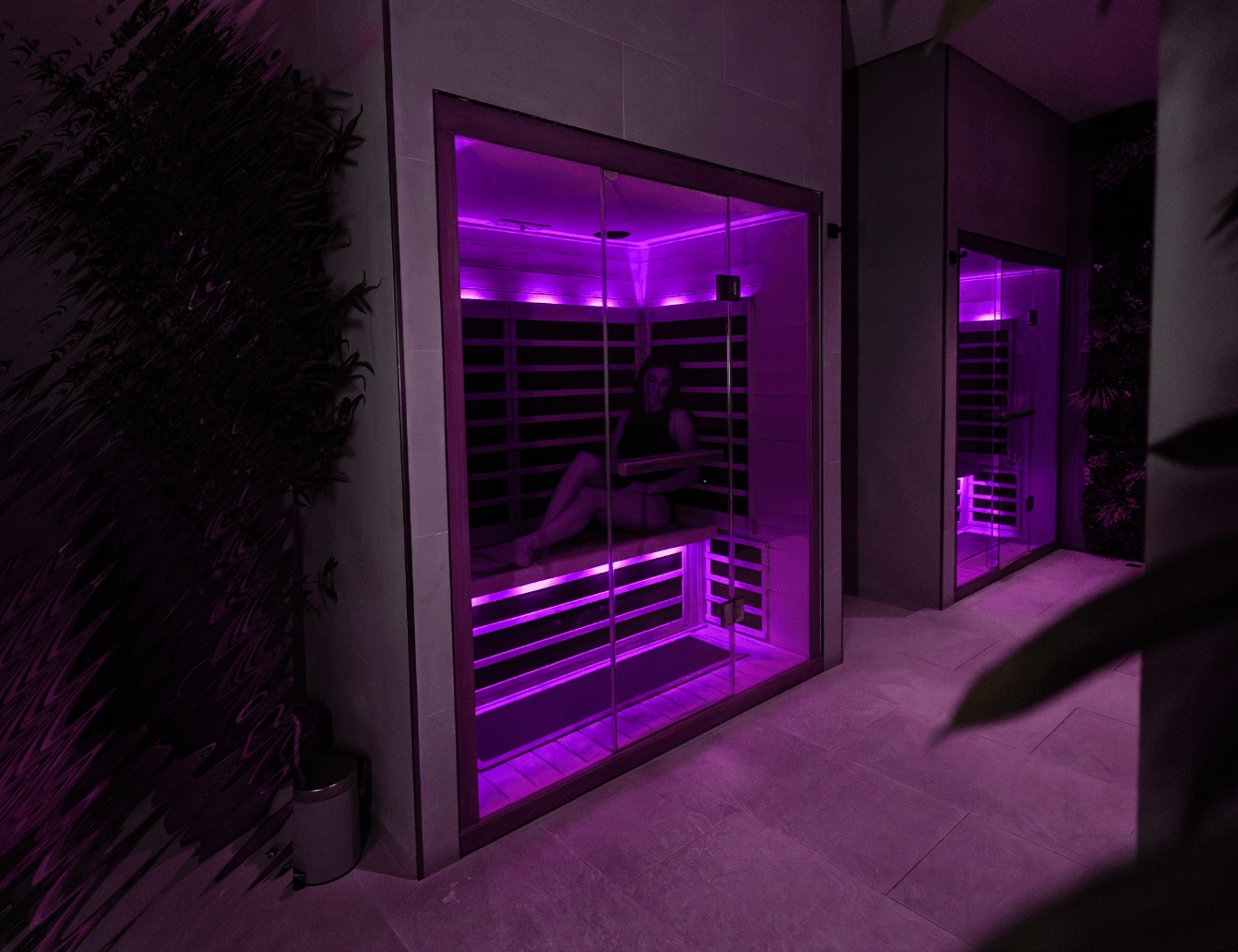
Cold therapy can also be paired with heat to promote blood flow and reduce stiffness before training. Many people choose contrast sessions using an infrared sauna in Dubai to increase circulation before cold exposure.
Eating well during Ramadan is not about rigid rules. It is about understanding how suhoor and iftar fit into your workday, training schedule, and recovery needs.
If you are unsure how to structure meals to maintain energy, avoid crashes, and support recovery while fasting, guessing often leads to frustration.
Book a free consultation at Embody Fitness to get clear guidance on how to approach Ramadan nutrition based on your schedule, goals, and lifestyle.



Achieve your fitness goals faster with expert personal trainers guiding you every step of the way in just 8 weeks.
Enquire now