Working Out in Dubai Heat: How to Train Safely and Keep Your Results
Published: November 16, 2026
Category: Dubai Lifestyle
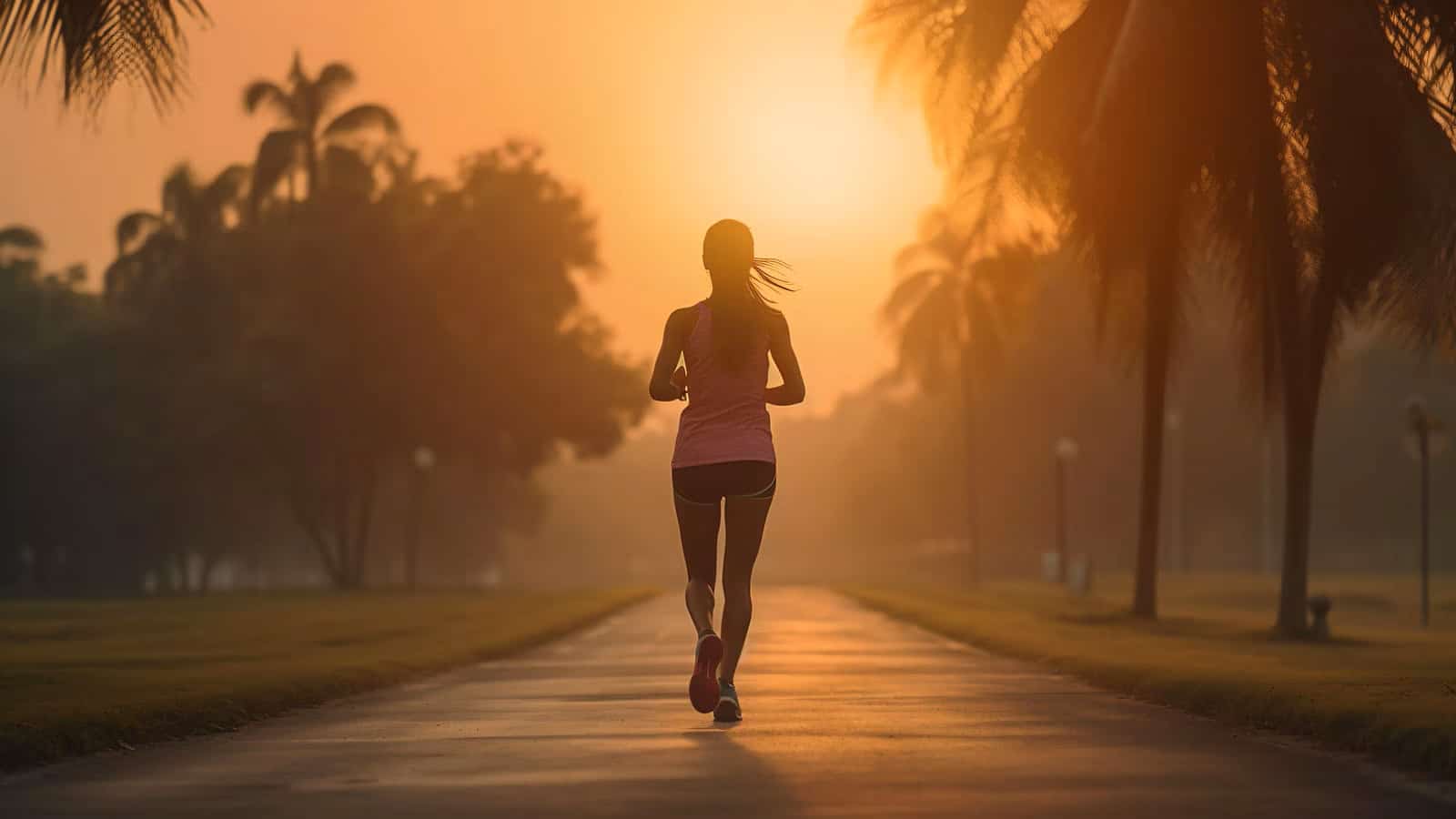
Anyone who has tried a midday run along the Creek in August knows the feeling. Two kilometres in, your heart is pounding, your shirt is soaked and your legs feel like they belong to someone else.
Dubai's climate is one of the toughest training environments in the world. Temperatures stay high for much of the year and humidity along the coast can make even a mild workout feel brutal. It is also one of the main reasons people lose momentum. They train well through the cooler months, then summer arrives and routines fall apart.
Working out in Dubai heat does not have to stop your progress. You just need to train smarter. Here is how we help clients stay consistent and safe all year round.
When you exercise, your muscles produce heat. Your body cools itself mainly by sweating and sending more blood to the skin. In hot, humid conditions this system struggles:
The result is that every workout feels harder, performance drops and the risk of heat illness rises.
This is the most important part of this guide.
Heat exhaustion can include heavy sweating, dizziness, headache, nausea, cramps, weakness and a fast pulse. If you notice these, stop exercising, move somewhere cool, drink fluids with electrolytes and rest.
Heatstroke is a medical emergency. Signs can include confusion, slurred speech, fainting, hot skin (which may be dry or still sweaty) and a very high body temperature. Call an ambulance on 998 (or 999) and cool the person immediately.
If you have a heart condition, take medication that affects heat tolerance, or are pregnant, speak to your doctor before exercising in hot conditions.
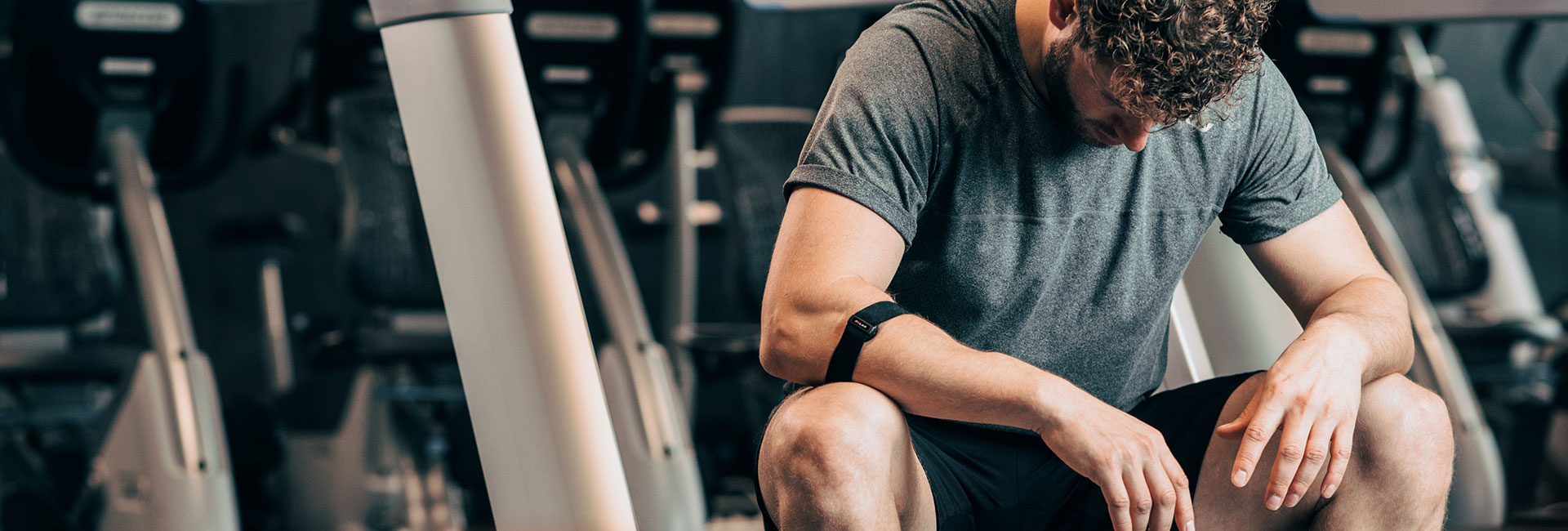
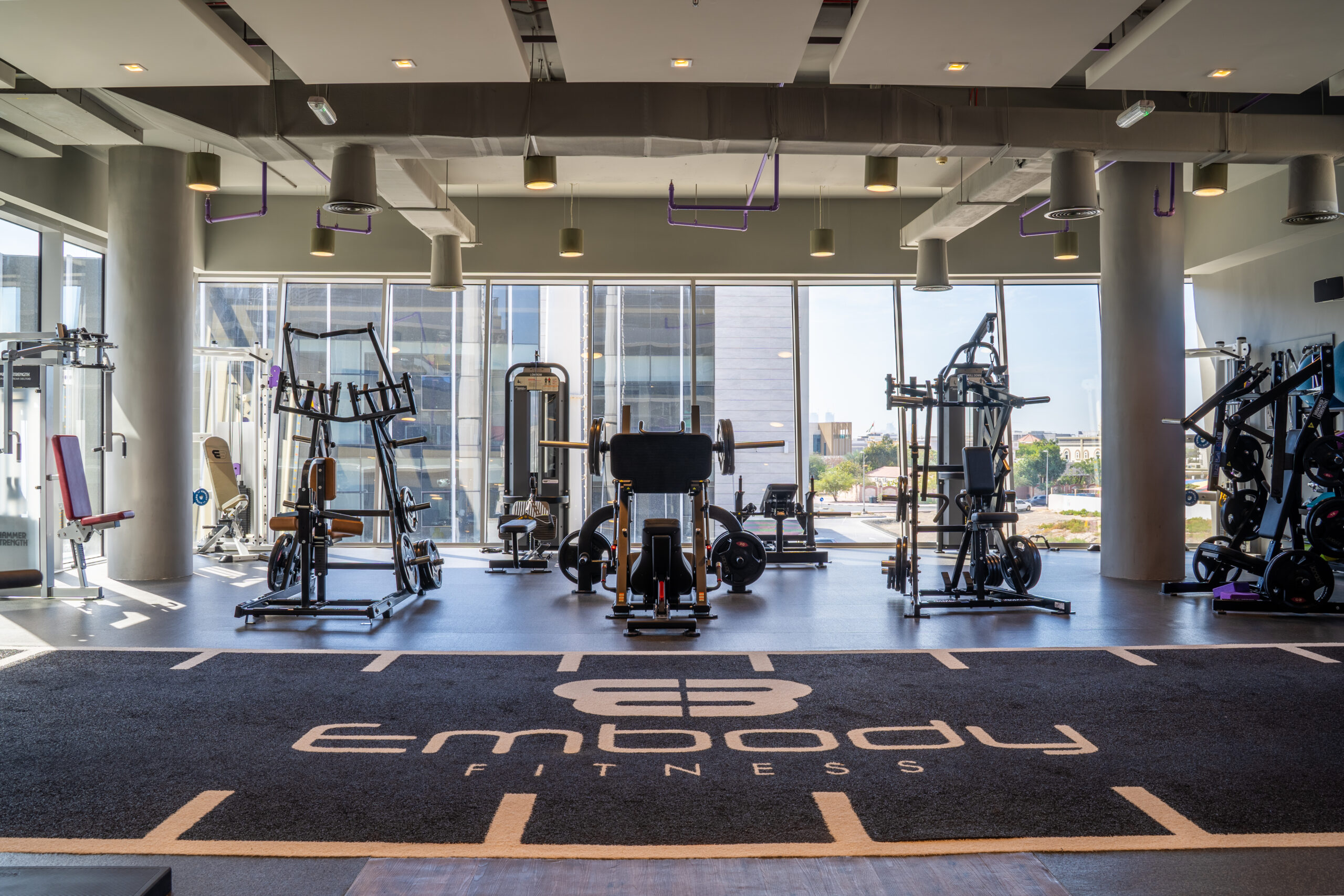
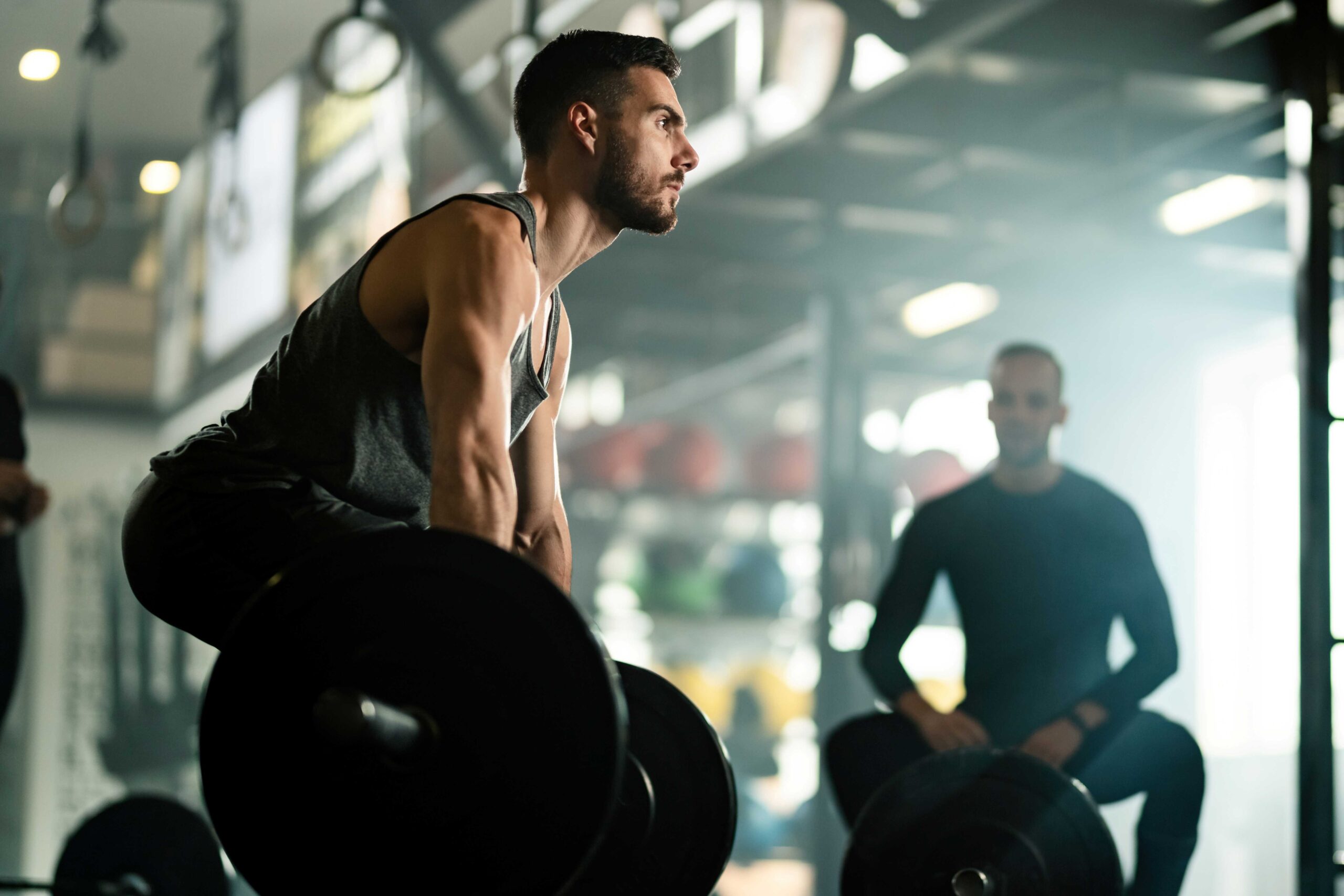
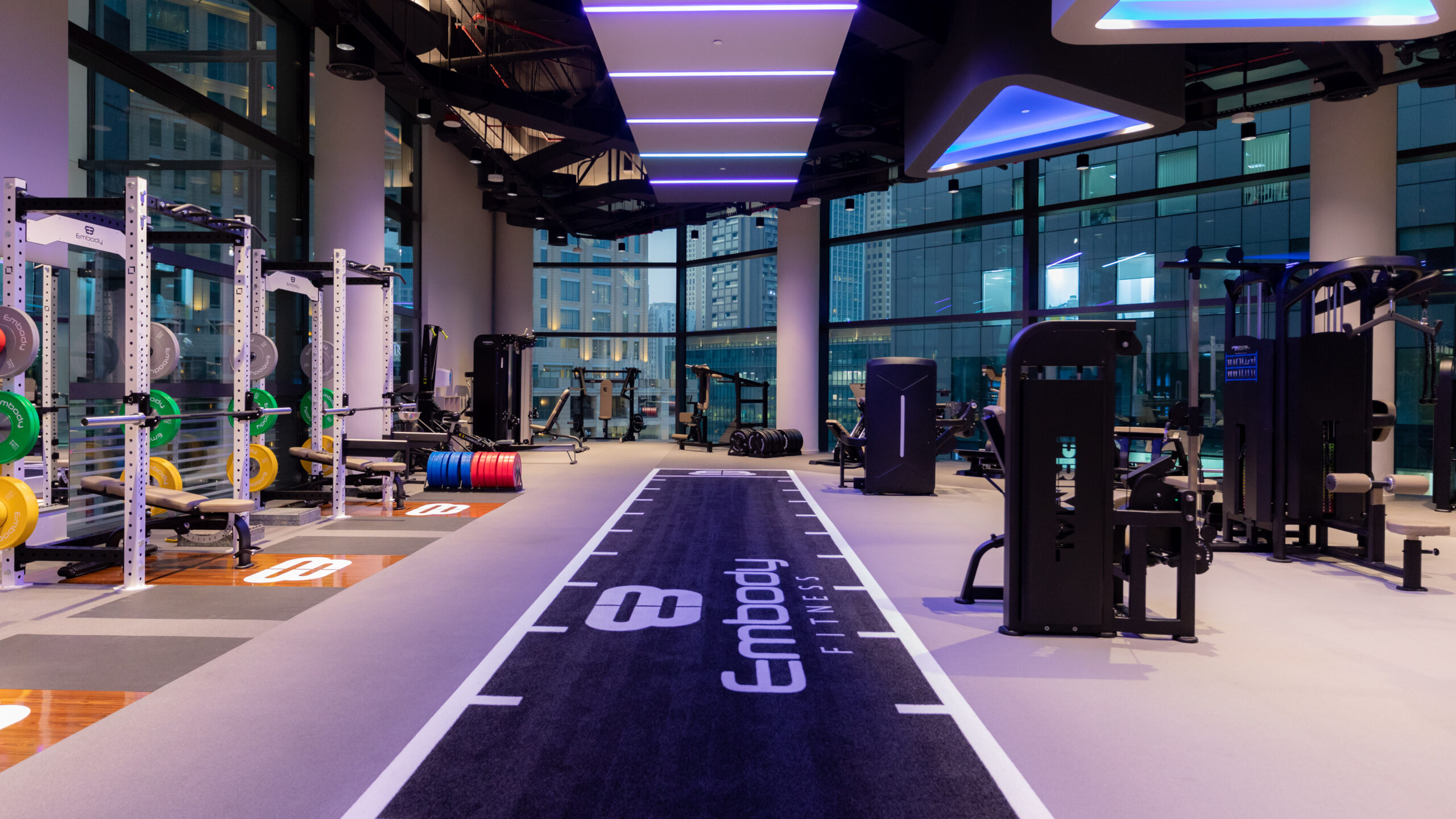
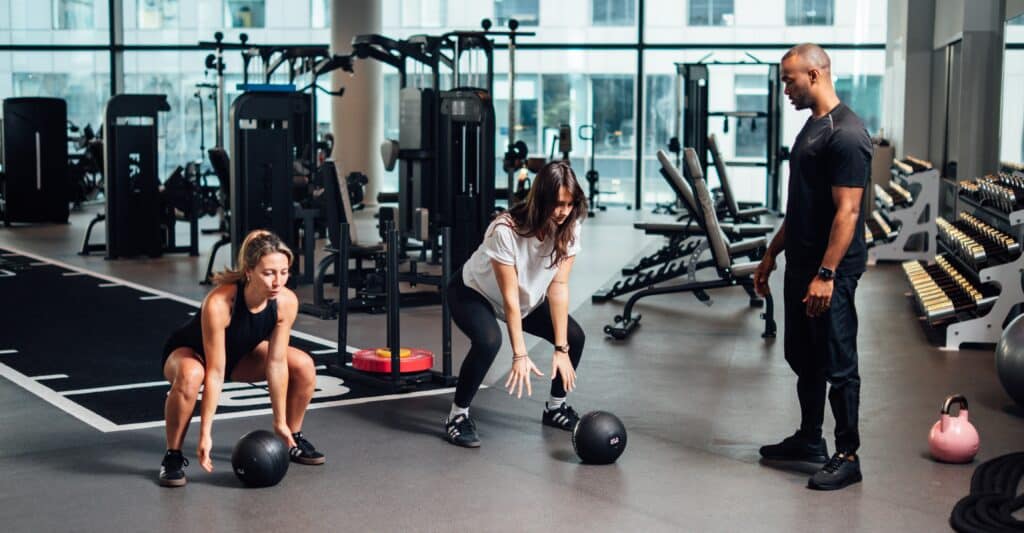
For strength training, intervals and high-intensity work, an air-conditioned gym is the obvious choice during the hottest months. You will train harder, recover better and stay consistent.
Sunrise and after sunset are the coolest times. Even then, check the "feels like" temperature and humidity, not just the headline number.
It usually takes around 10 to 14 days to adapt to training in heat. If you have just arrived in Dubai or are returning from a summer abroad, start with shorter, easier sessions and build up gradually.
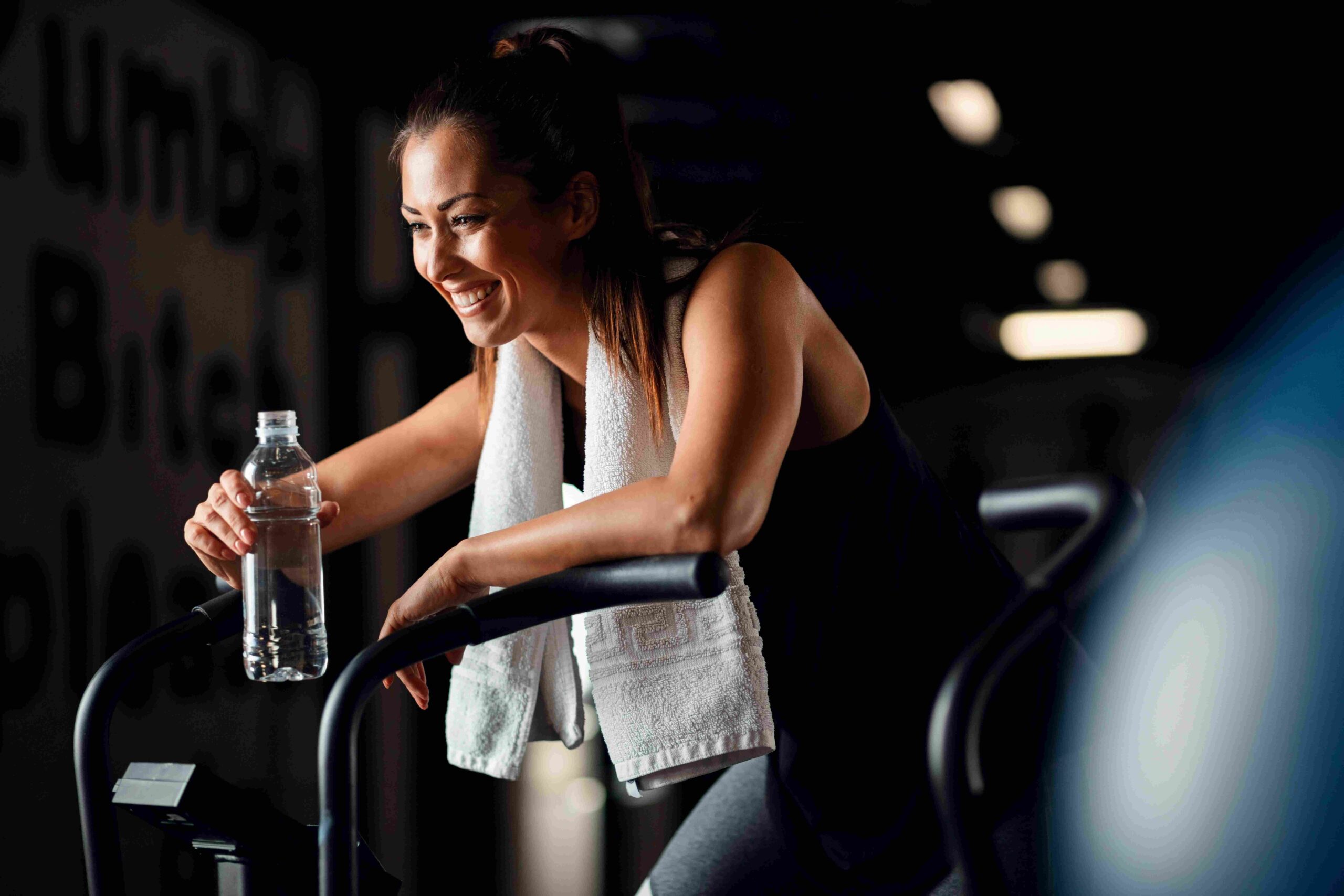
Start sessions already well hydrated by drinking steadily through the day, not just in the hour before. During longer or sweatier sessions, keep sipping. A simple way to check: pale yellow urine is a good sign; dark yellow means you need more.

Sweat contains sodium and other minerals. Drinking large amounts of plain water after heavy sweating, without replacing salt, can leave you feeling flat and, in rare cases, cause dangerously low sodium. Use an electrolyte drink or tablets on sweaty days, or eat a salty snack with your water.
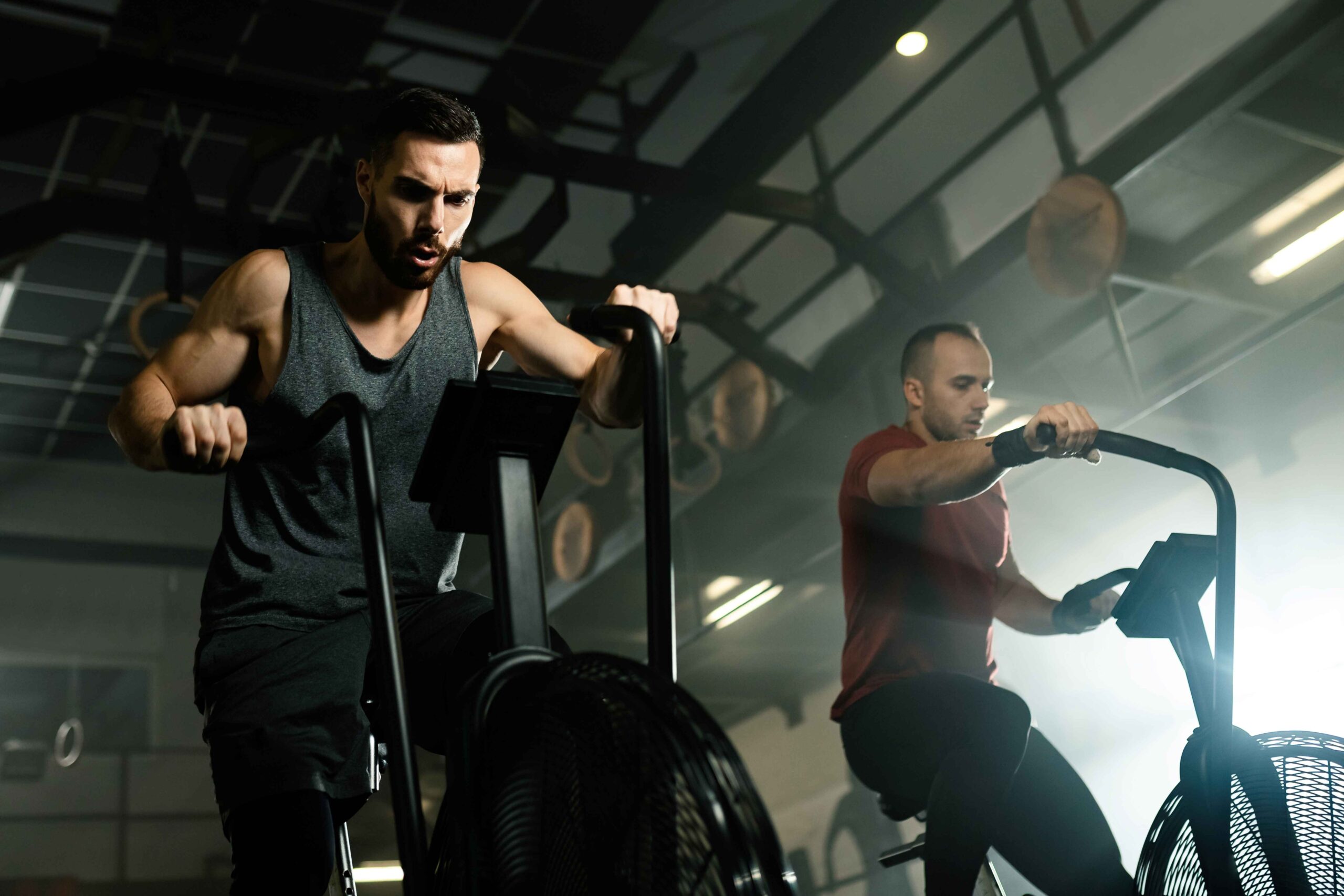
Your pace will be slower and your heart rate higher. That is normal. Train by effort or heart rate rather than chasing your usual times outdoors.
Light-coloured, loose, breathable clothing helps. A cap and sunscreen are essential for any outdoor session.
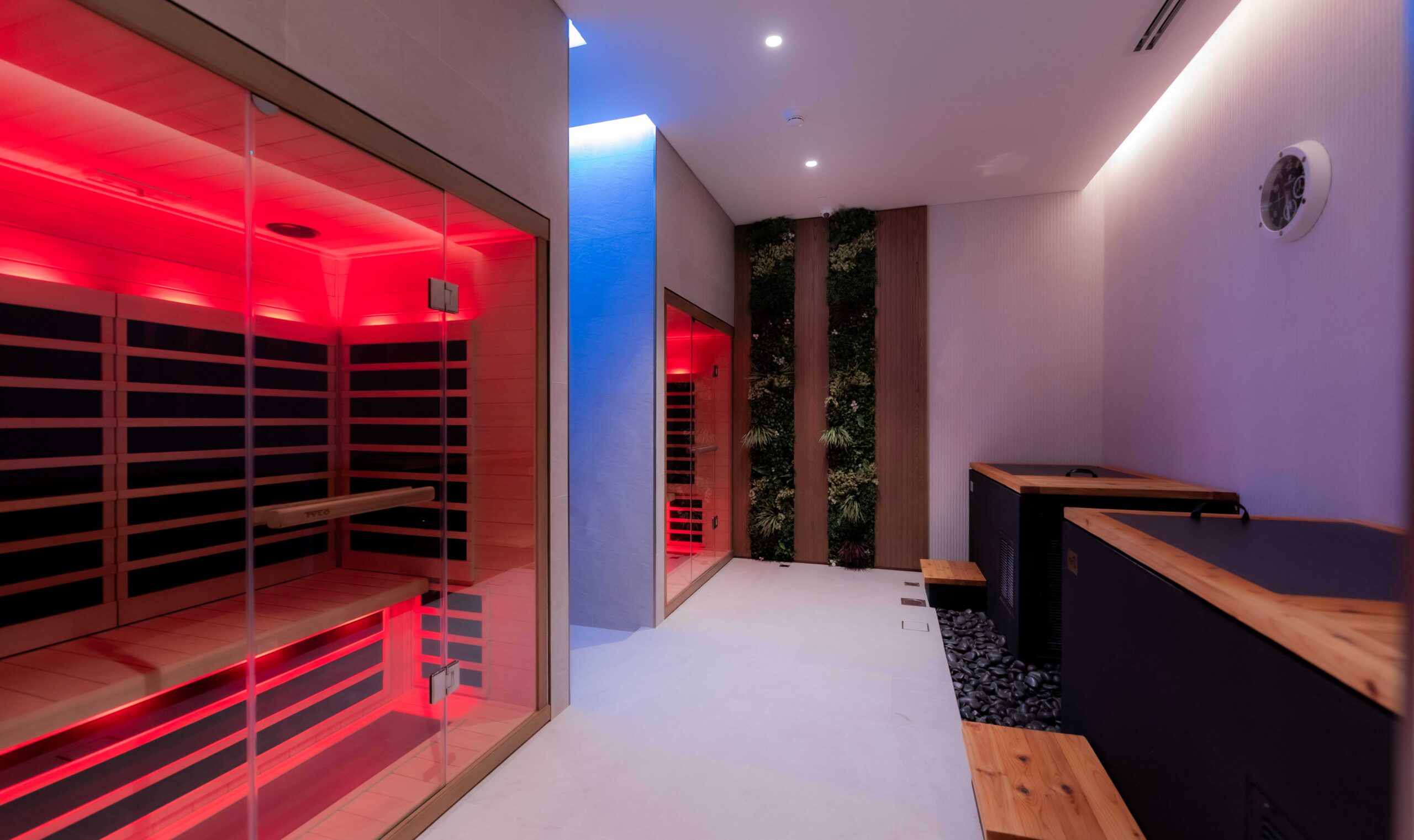
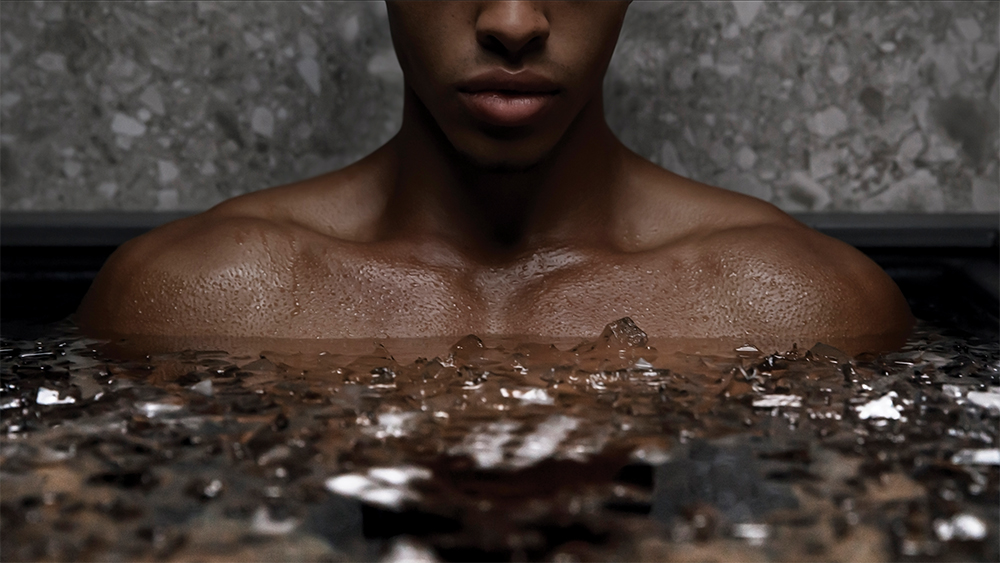
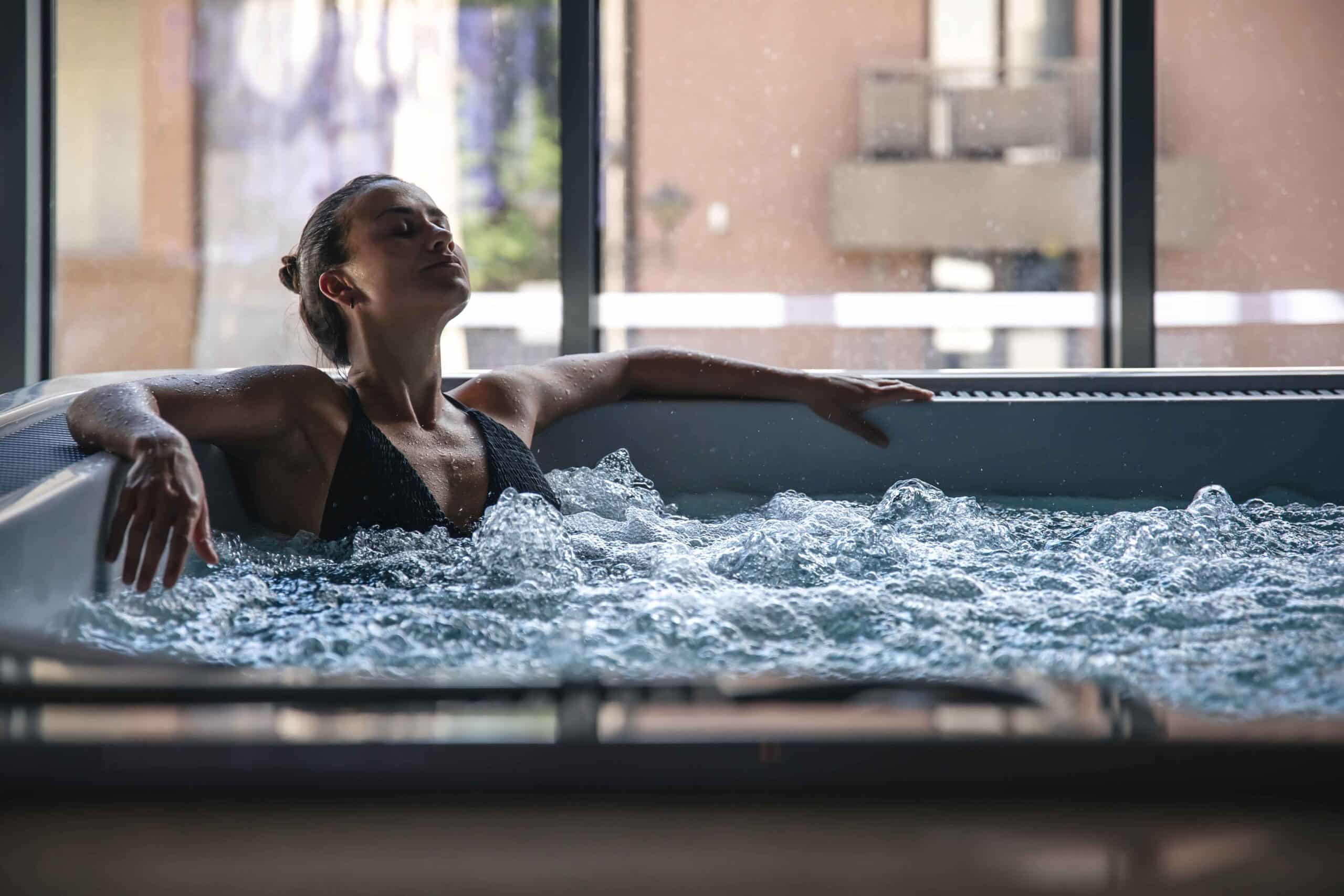
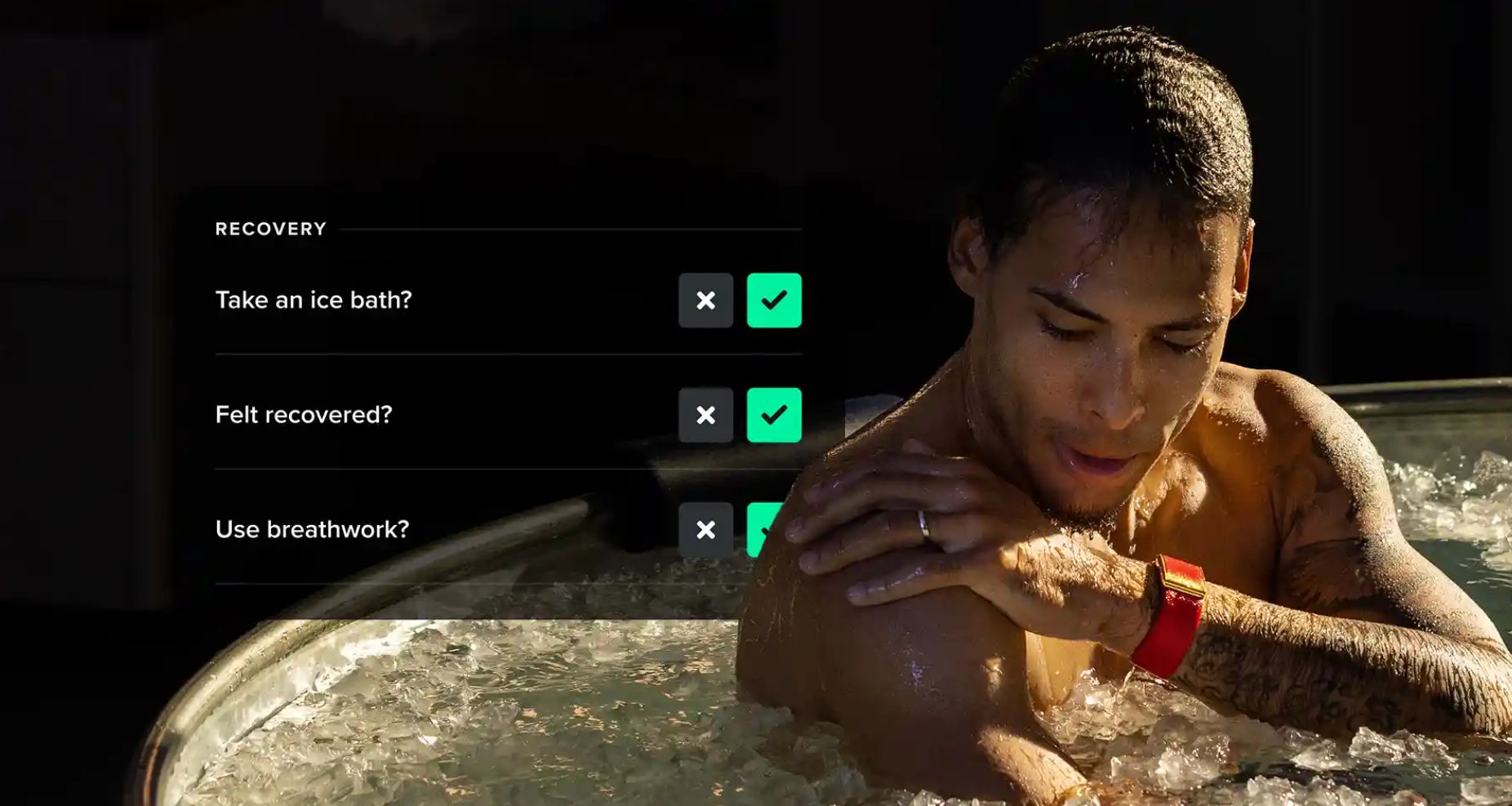
After a hot session, spend a few minutes bringing your heart rate down, rehydrate and get into a cool space. Many clients finish with a short session in our cold plunge, which feels especially good after summer training. Read more about it in ice baths in Dubai: benefits and recovery.
The biggest risk in a Dubai summer is not overheating. It is stopping. Long trips abroad, school holidays and the heat all disrupt routines, and progress built over months can fade in weeks.
A few strategies that work for our clients:
Hot weather often reduces appetite, which can actually make fat loss easier. Just make sure you still get enough protein and fluids. Water-rich foods such as watermelon, cucumber, yoghurt and soups help with hydration. Be careful with large amounts of caffeine and alcohol, which can make dehydration worse.
A simple routine many clients follow: a large glass of water when they wake up, a bottle at their desk that they refill twice before lunch, electrolytes with their training session and a water-rich snack in the afternoon. Small, steady habits work far better than trying to drink a litre in one go.
We know the practical side of Dubai life matters. Nobody wants to walk across a car park in 45 degrees before a workout, or arrive at a crowded gym and wait for equipment.
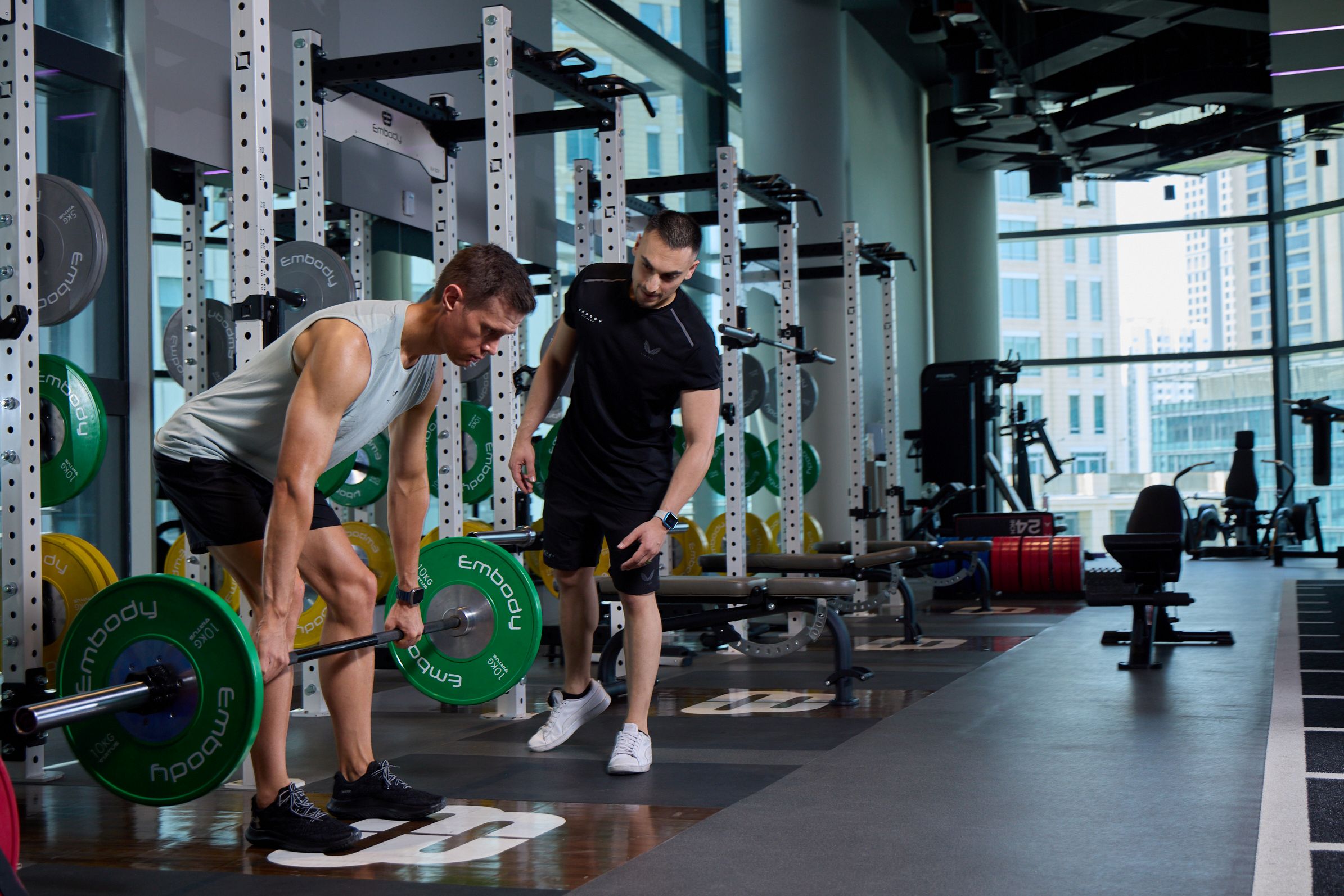
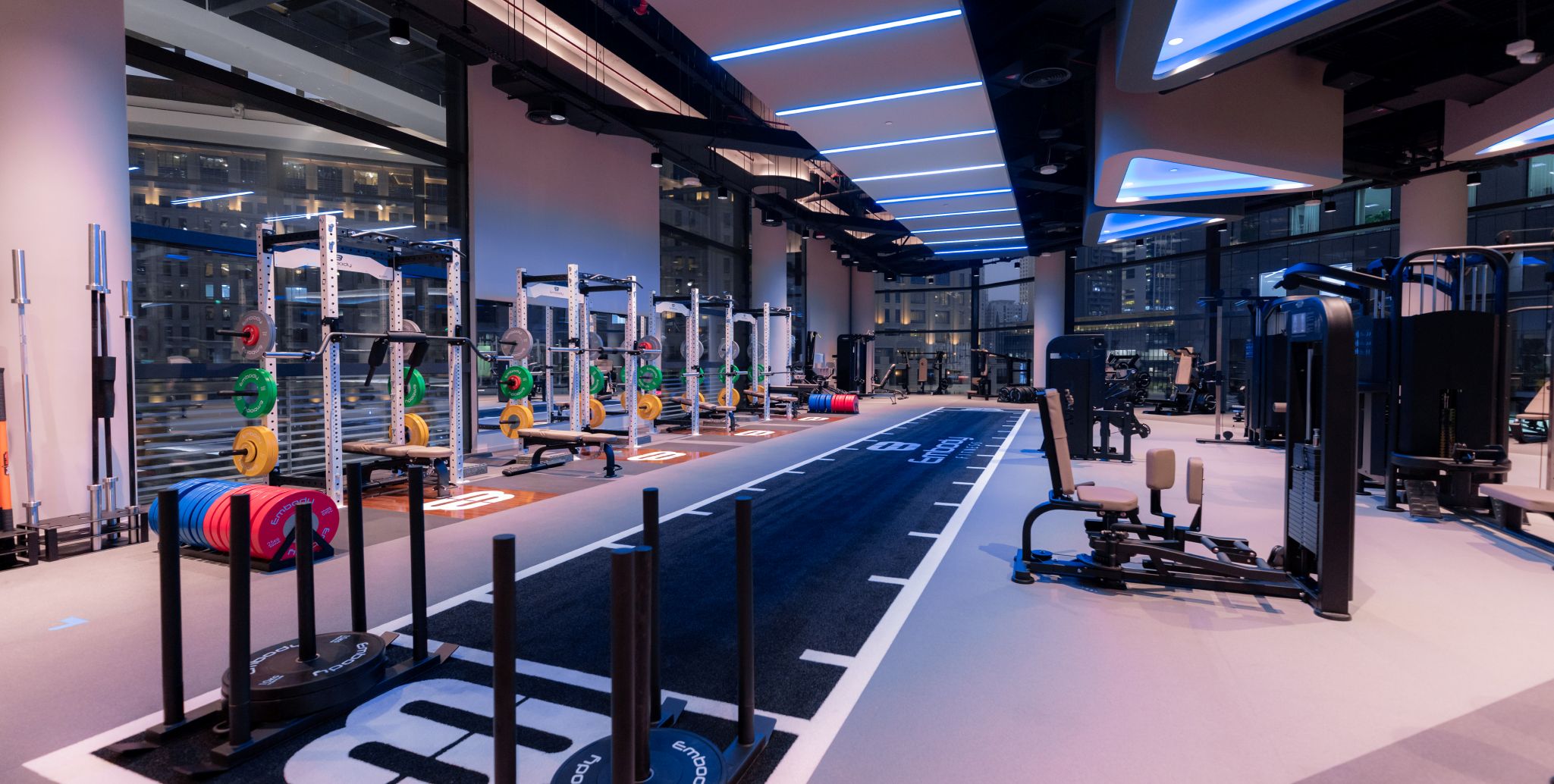
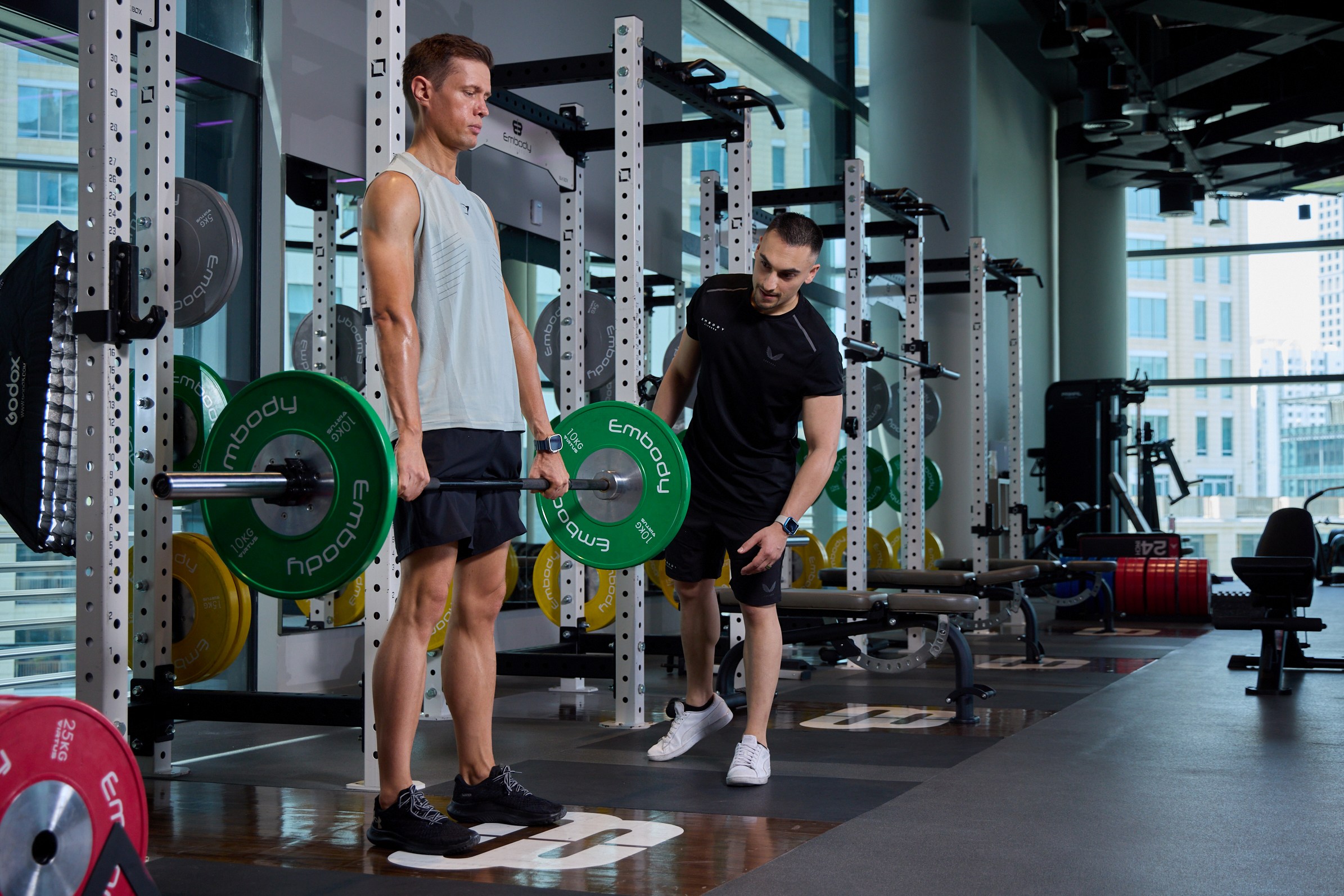
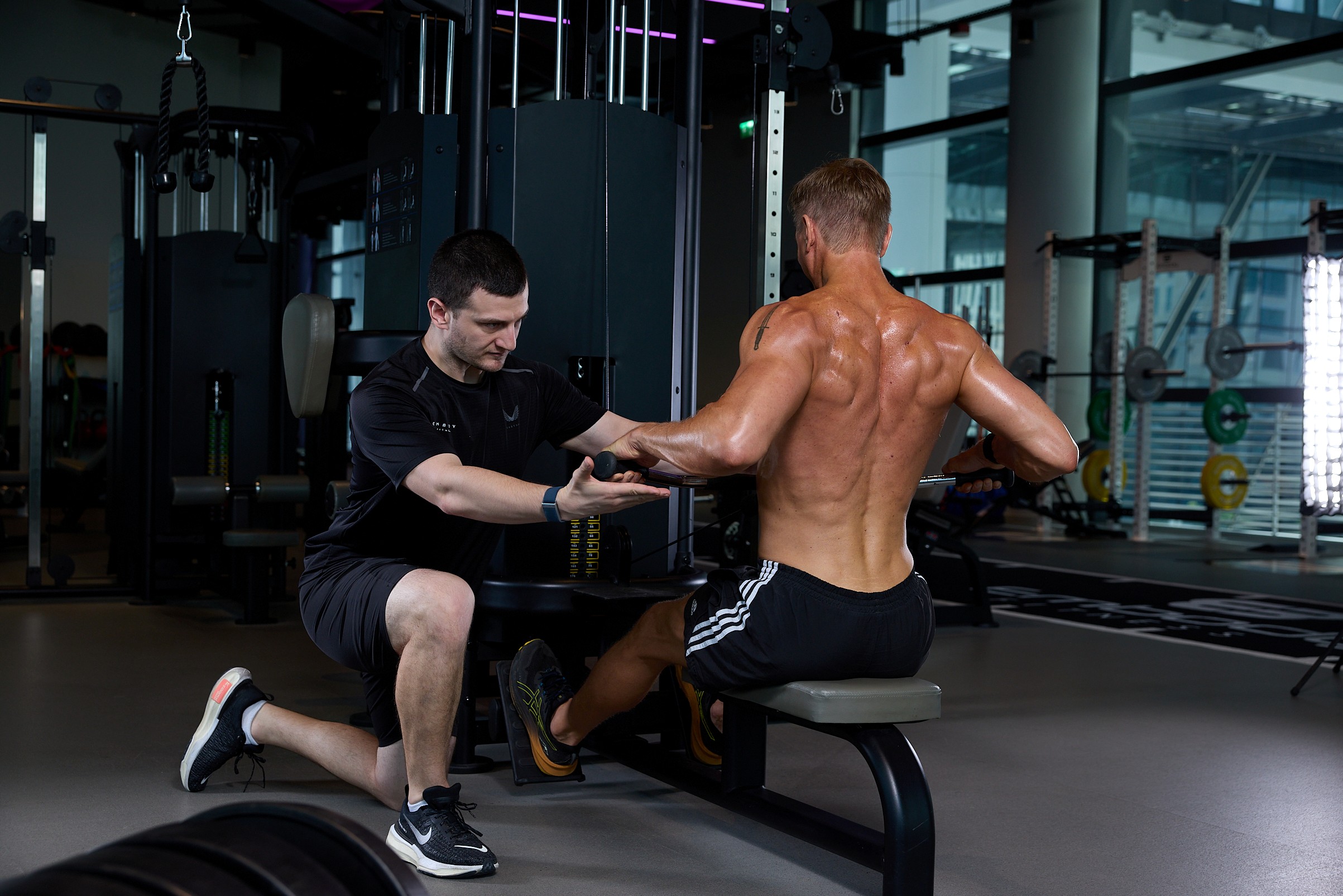
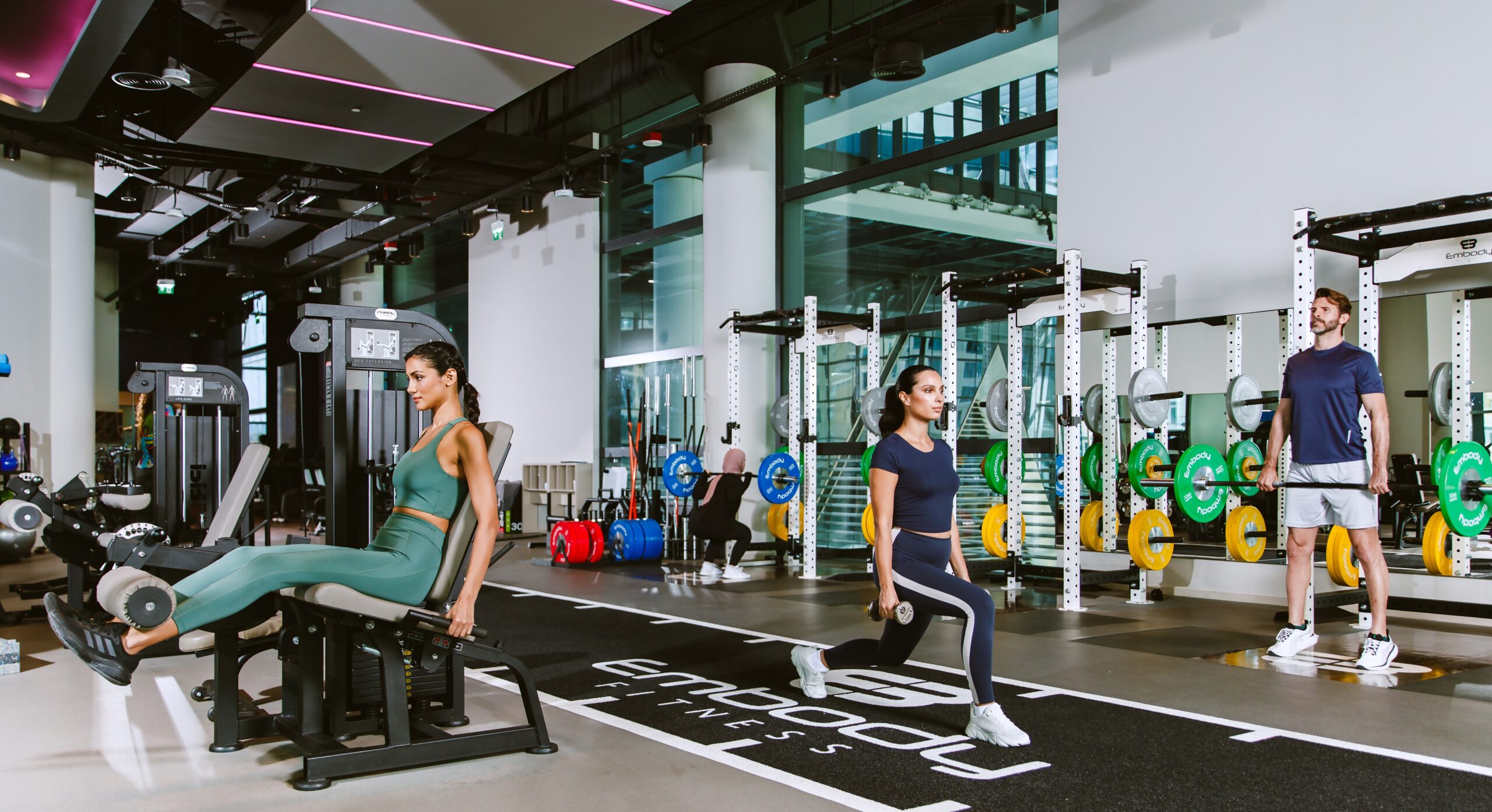
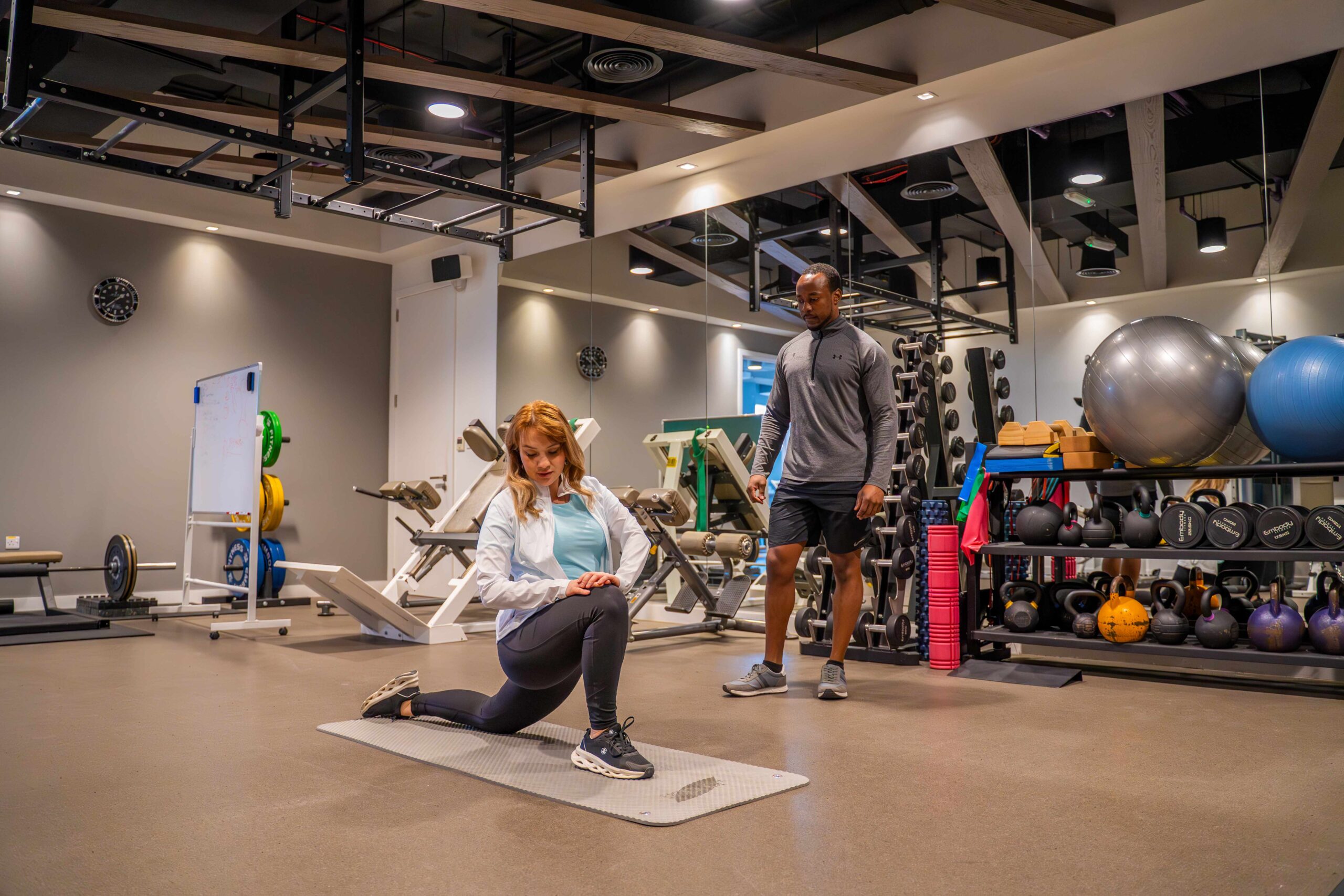
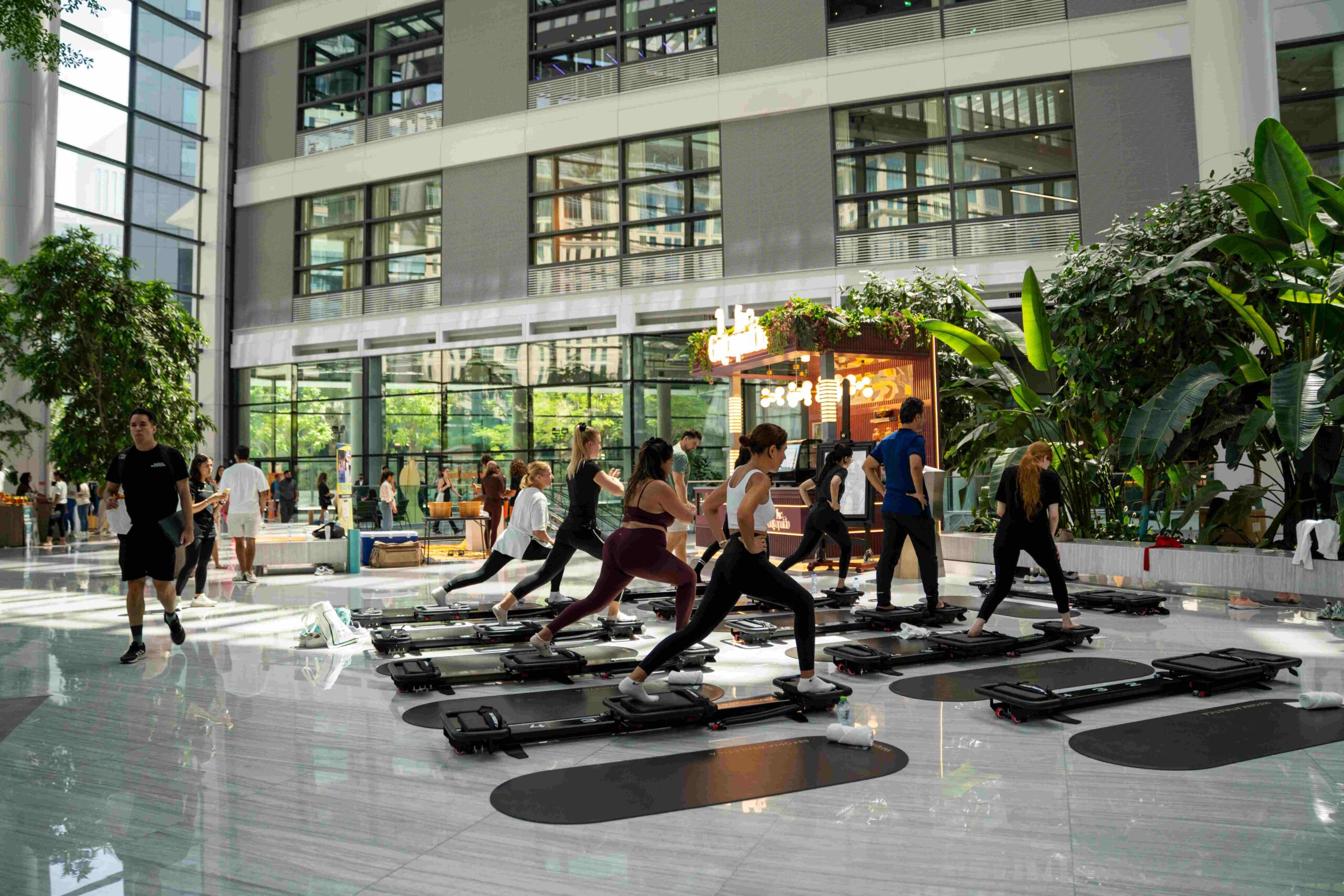
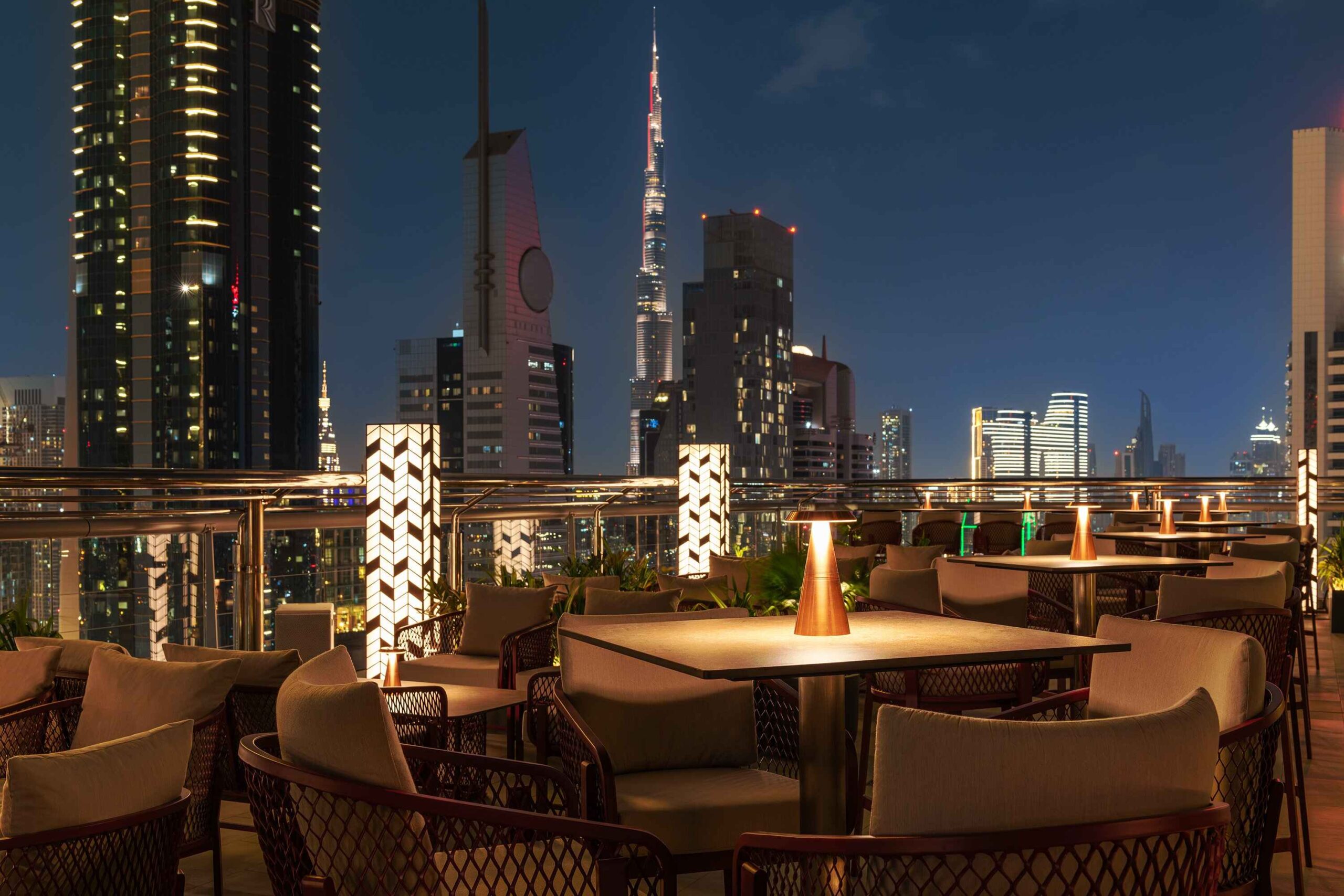
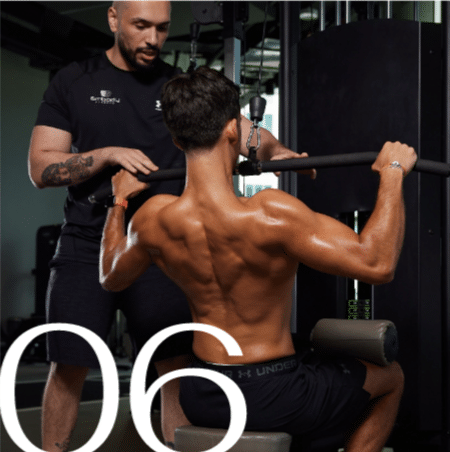
Our DIFC studio is set up for exactly this. Clients use complimentary VIP underground parking directly beneath the building, the training floor is fully air-conditioned and used only by members training with an Embody coach, and we are open daily from 6am to 9pm, so you can train before the office or after the sun goes down. For busy schedules, our article on personal training for busy professionals in Dubai explains how we make sessions fit around work.
It can be, if you train early or late, keep intensity sensible, hydrate well and know the signs of heat illness. Many people move most of their training indoors during the hottest months.
Needs vary widely depending on body size, sweat rate and session length. Drink steadily through the day, sip during training and replace electrolytes when you sweat heavily.
Slightly, but not enough to matter. The extra sweat is mostly water, which you regain when you rehydrate.
Most people need around 10 to 14 days of gradual exposure to start adapting.
If the heat keeps breaking your routine, come and train somewhere it never will. Book a free consultation at our DIFC studio and our team will help you build a plan that works in every season.



Achieve your fitness goals faster with expert personal trainers guiding you every step of the way in just 8 weeks.
Enquire now