Weight Training Over 40: 10 Golden Rules to Train By
Published: June 23, 2026
Category: Healthy Lifestyle Tips
Training at 40 and beyond is not harder. It is different. The body responds well to structure and smart programming, but it responds poorly to the same methods that used to work without consequence.
Most people over 40 are not training too little. They are training without accounting for recovery, joint load, and the hormonal changes that come with age. The result is stalled progress, persistent soreness, and injuries that set them back for weeks. These 10 rules exist to change that.
Progressive overload, gradually increasing the demand placed on your muscles, is the foundation of strength training 40+. This does not mean adding weight every session. It means measurable progress over time: an extra rep, a tighter rest period, or a better range of motion. Without it, training becomes maintenance.
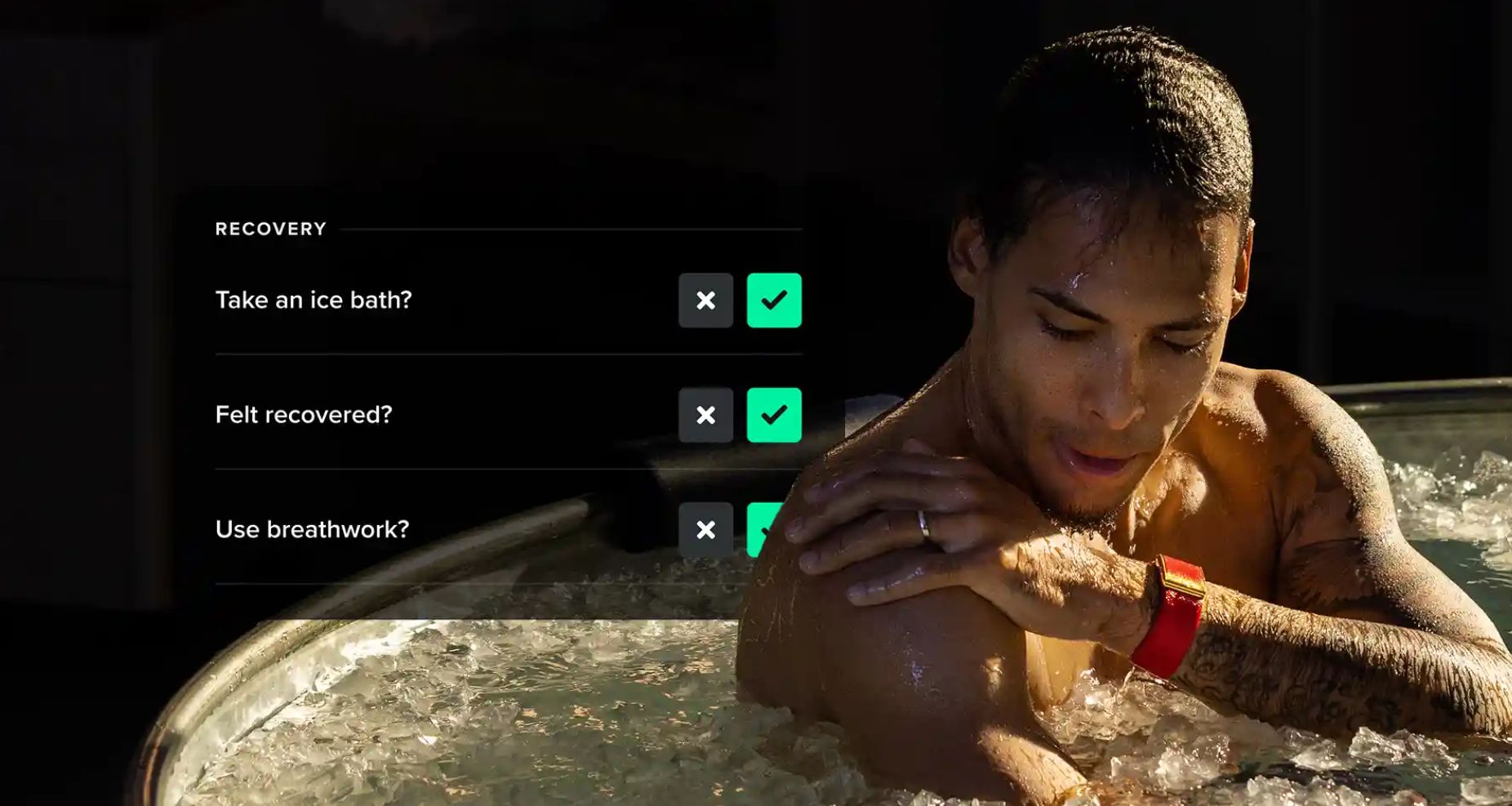
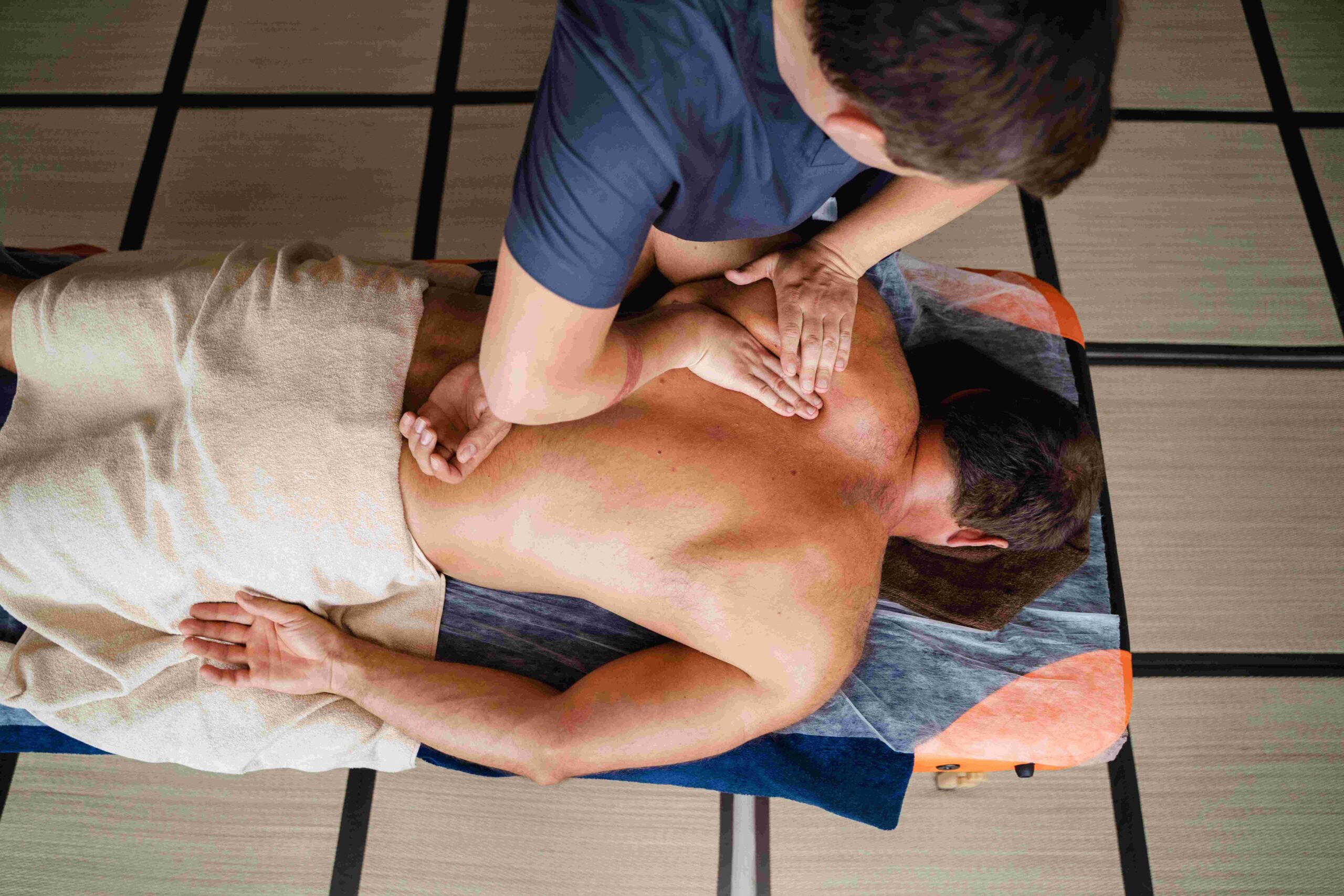
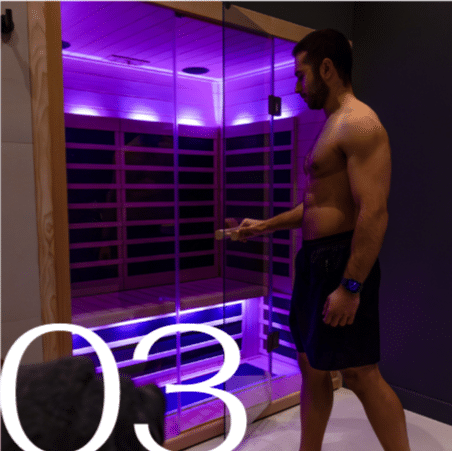
After 40, the body takes longer to repair muscle tissue and restore hormonal balance. Persistent joint aches, declining strength week to week, and poor sleep are all signs that recovery is being neglected. Sleep, nutrition, and rest days are not optional extras; they are part of the training programme. Tools like cold plunge therapy in Dubai can also support faster recovery between sessions.
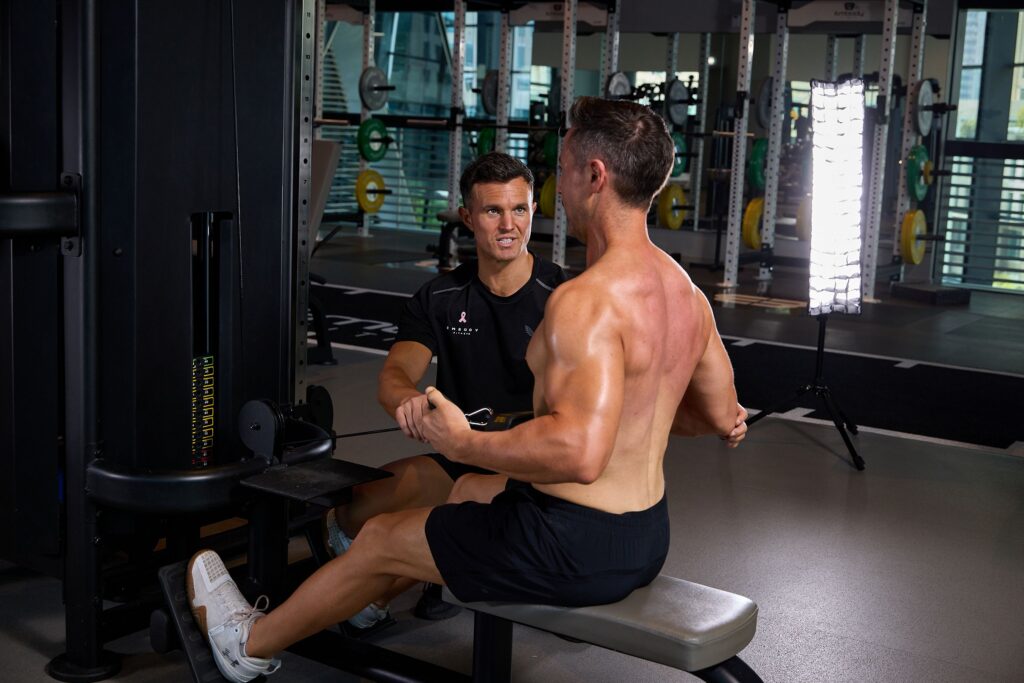
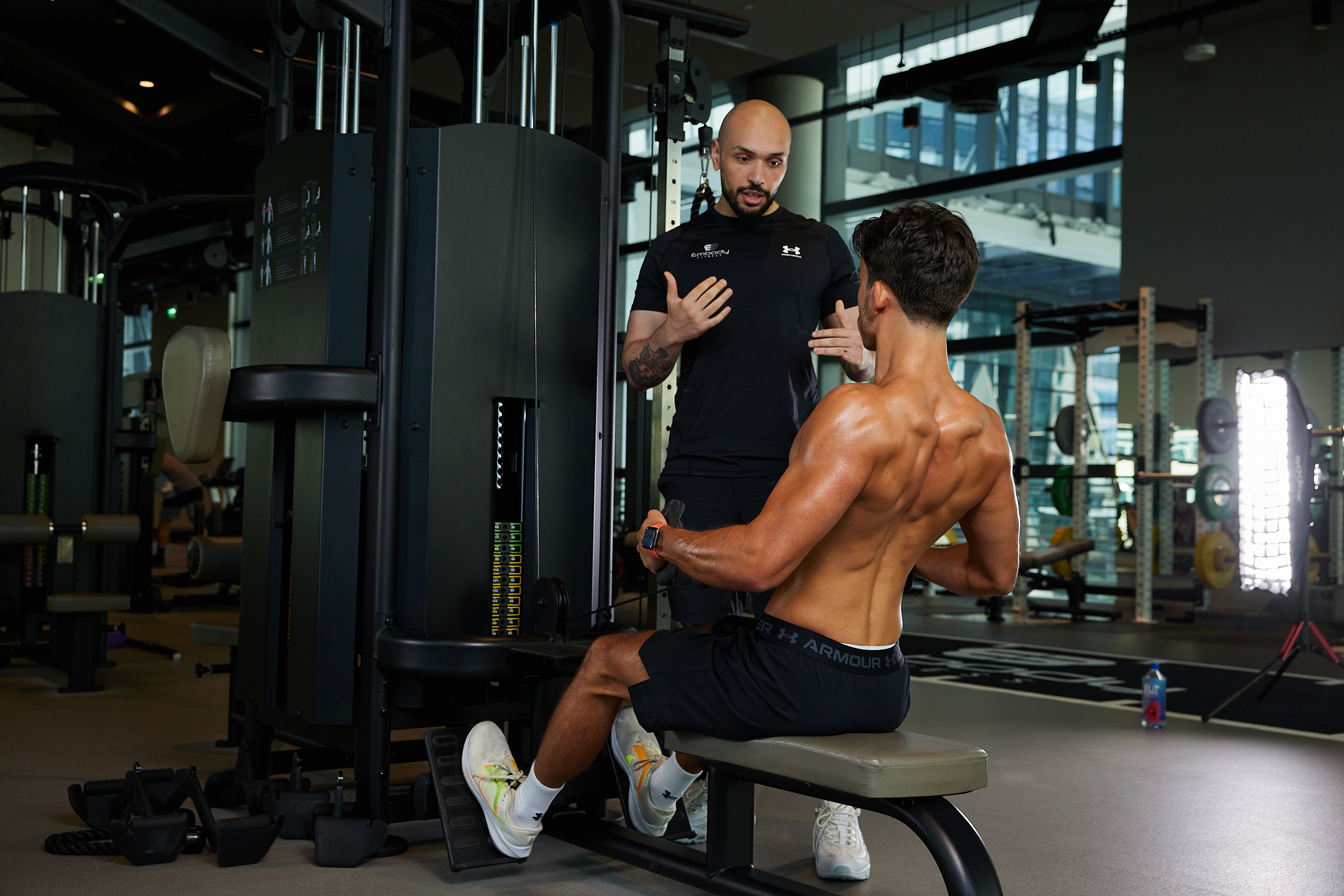
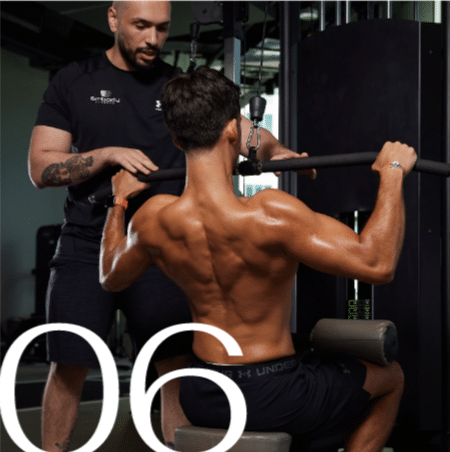
Joint-friendly exercise selection does not mean training lighter. It means choosing movements that deliver high muscle stimulus without excessive load on tendons and cartilage. Cable variations over heavy free weights, trap bar deadlifts over conventional, and incline pressing over flat bench are effective alternatives. Intensity stays high, and the method simply becomes smarter.
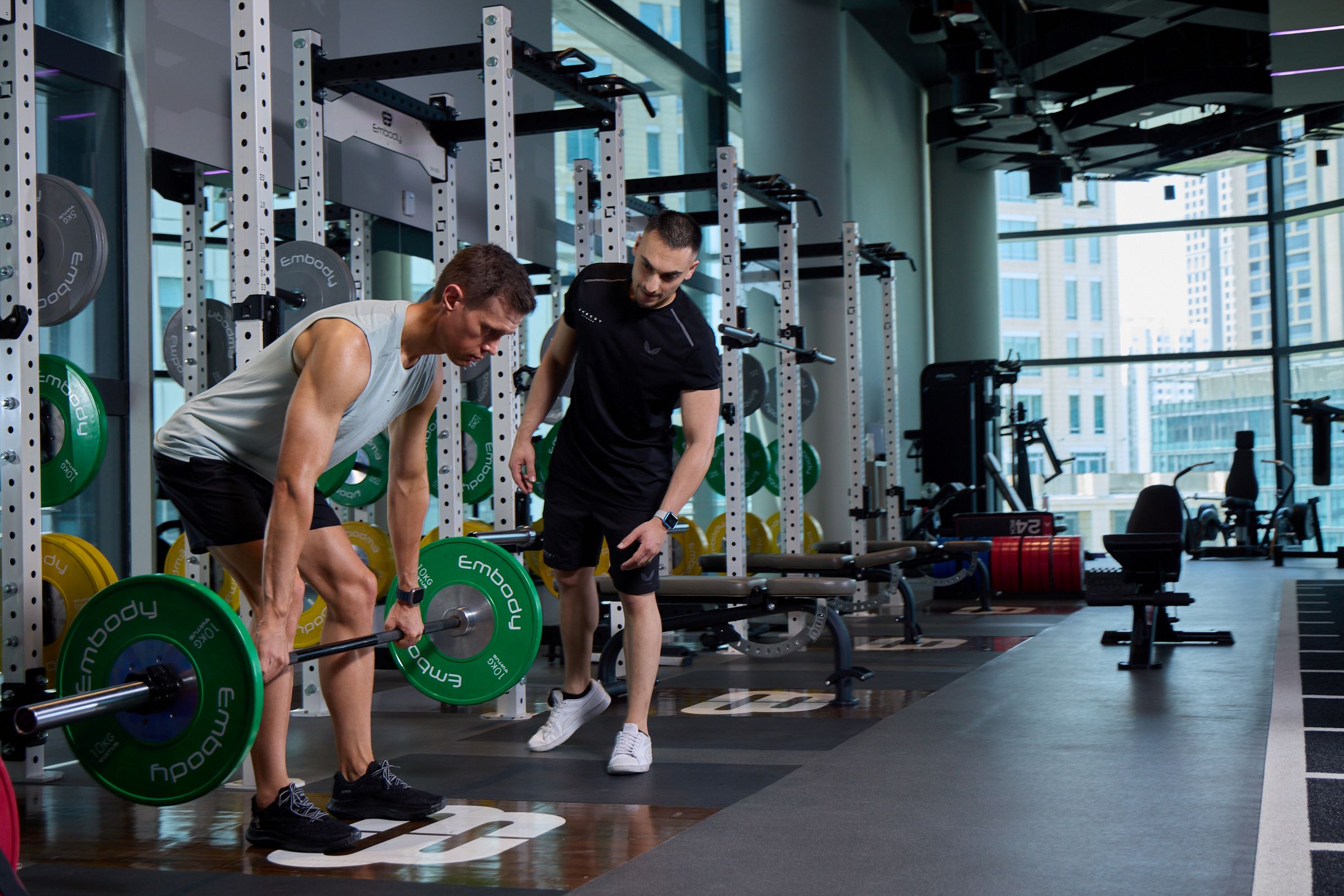
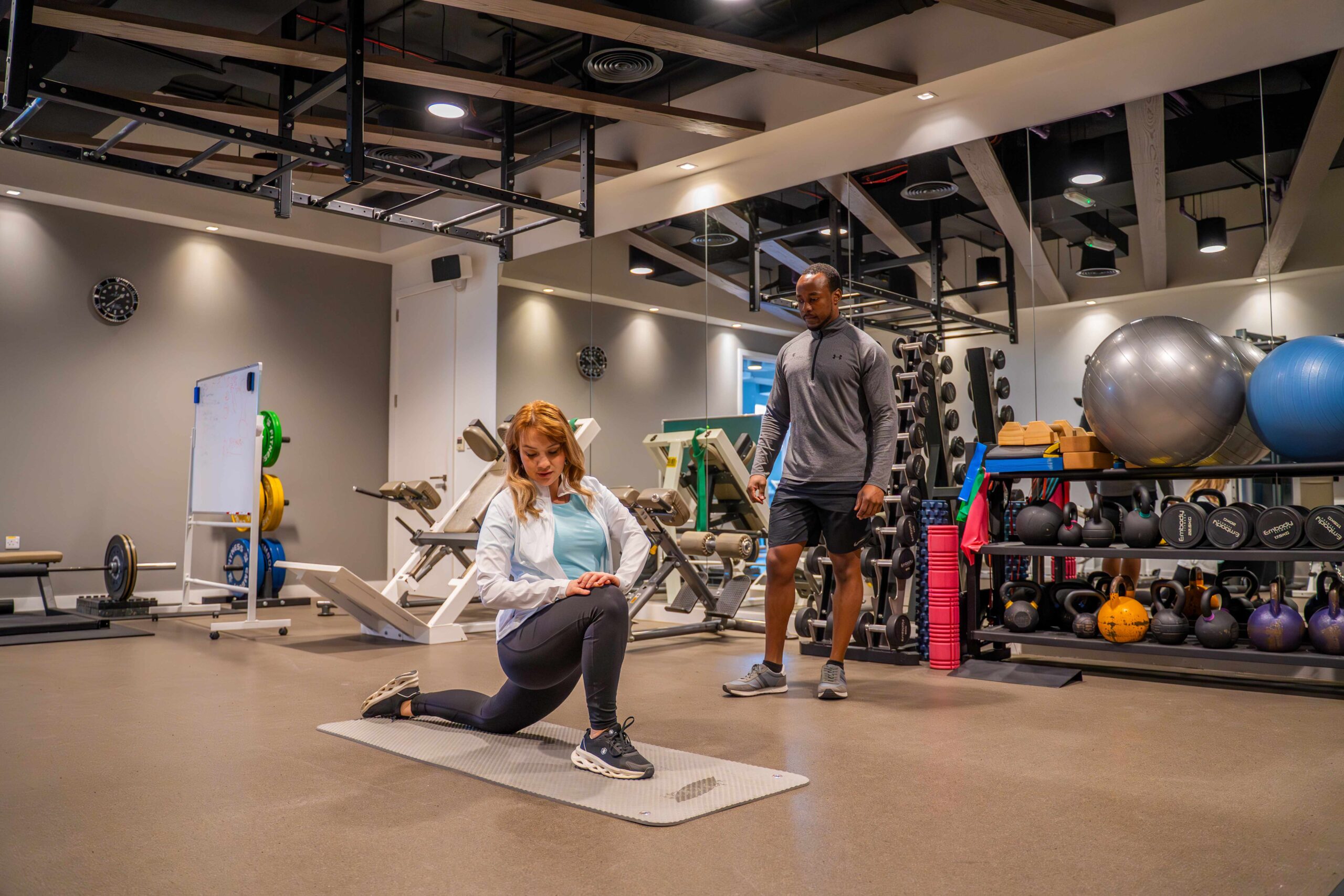
After 40, joints, connective tissue, and the nervous system need more time to prepare for heavy loading. An effective warm-up includes targeted mobility work for the hips, thoracic spine, and shoulders, followed by progressive warm-up sets building toward the working weight. Skipping this turns minor tightness into a six-week setback. For more on reducing injury risk while training,read our guide on how to avoid injury.
Fatigue accumulates faster and clears more slowly after 40. A deload one week of reduced volume or intensity every four to six weeks allows the nervous system and connective tissue to recover fully before the next training block begins. Deloads do not cost progress. They consolidate it.
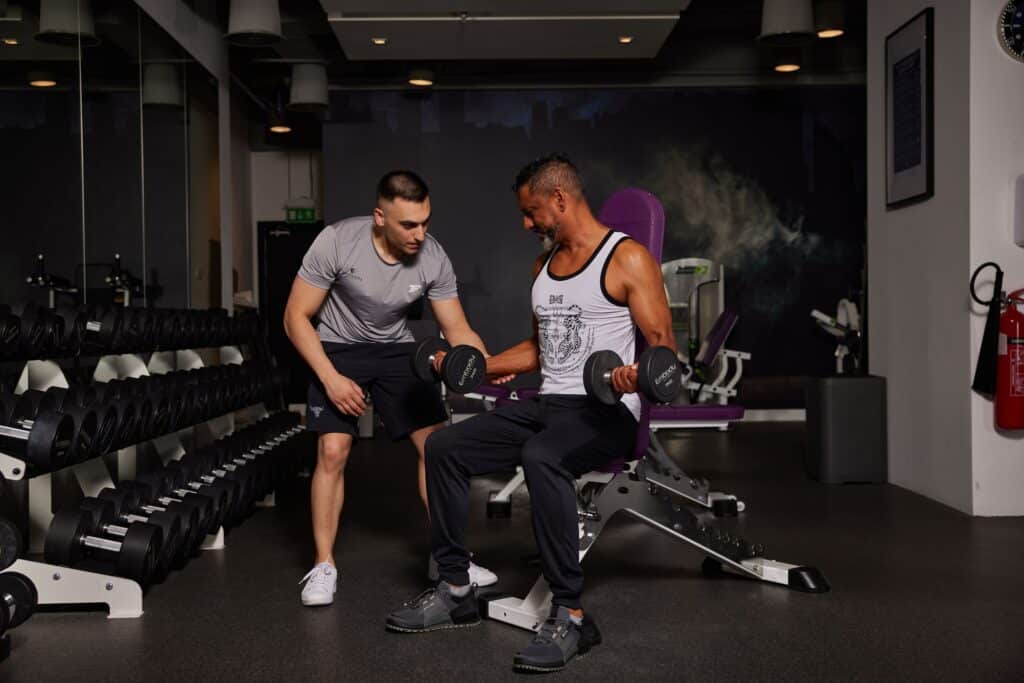
Compound movements such as squats, deadlifts, presses, and rows train multiple muscle groups simultaneously and produce the greatest strength and hormonal response. After 40, when muscle mass naturally declines with age, a compound-first approach preserves lean tissue more efficiently than isolation work alone. Isolation exercises support the foundation; they do not replace it.
Excessive training volume without adequate recovery leads to joint inflammation, elevated cortisol, and a gradual loss of strength. Three to four well-structured sessions per week will consistently outperform five or six poorly recovered ones. The goal of each session is to provide a training stimulus, not to exhaust every system the body has.
Protein becomes more critical after 40, as the body's anabolic response to protein intake diminishes with age. Aim for 1.6 to 2.2g of protein per kilogram of bodyweight daily, a benchmark supported by nutrition research for muscle building. Maintain consistent calorie intake throughout the day, as chronic under-eating slows metabolism and accelerates muscle loss. In Dubai's climate, consistent hydration is equally important.

Returning from a two-week break and training hard immediately is one of the most common injury patterns in those over 40. The body does not bounce back from detraining the way it did at 25. Three consistent 50-minute sessions per week, sustained over 12 months, will produce far greater results than any burst-and-break cycle.
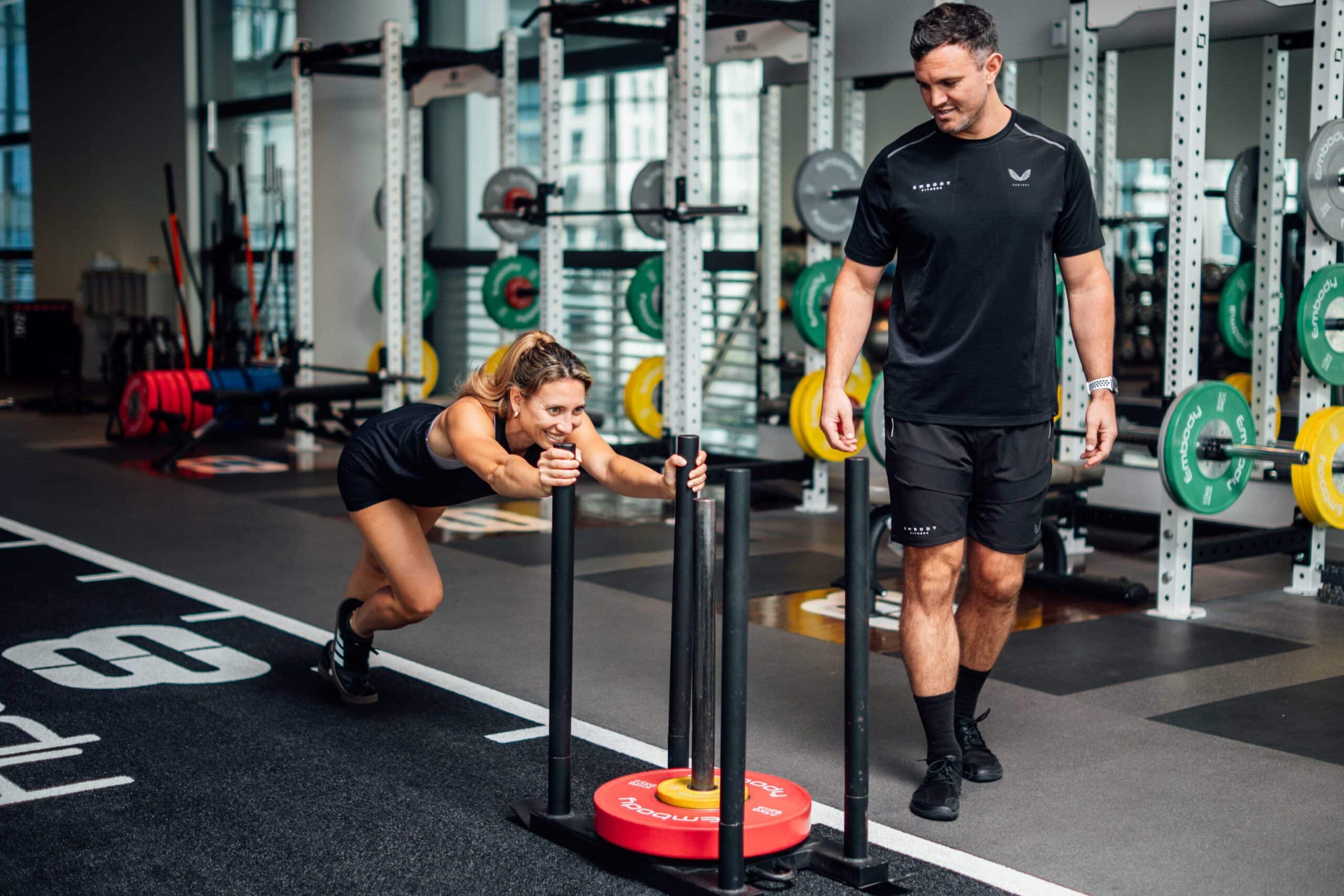
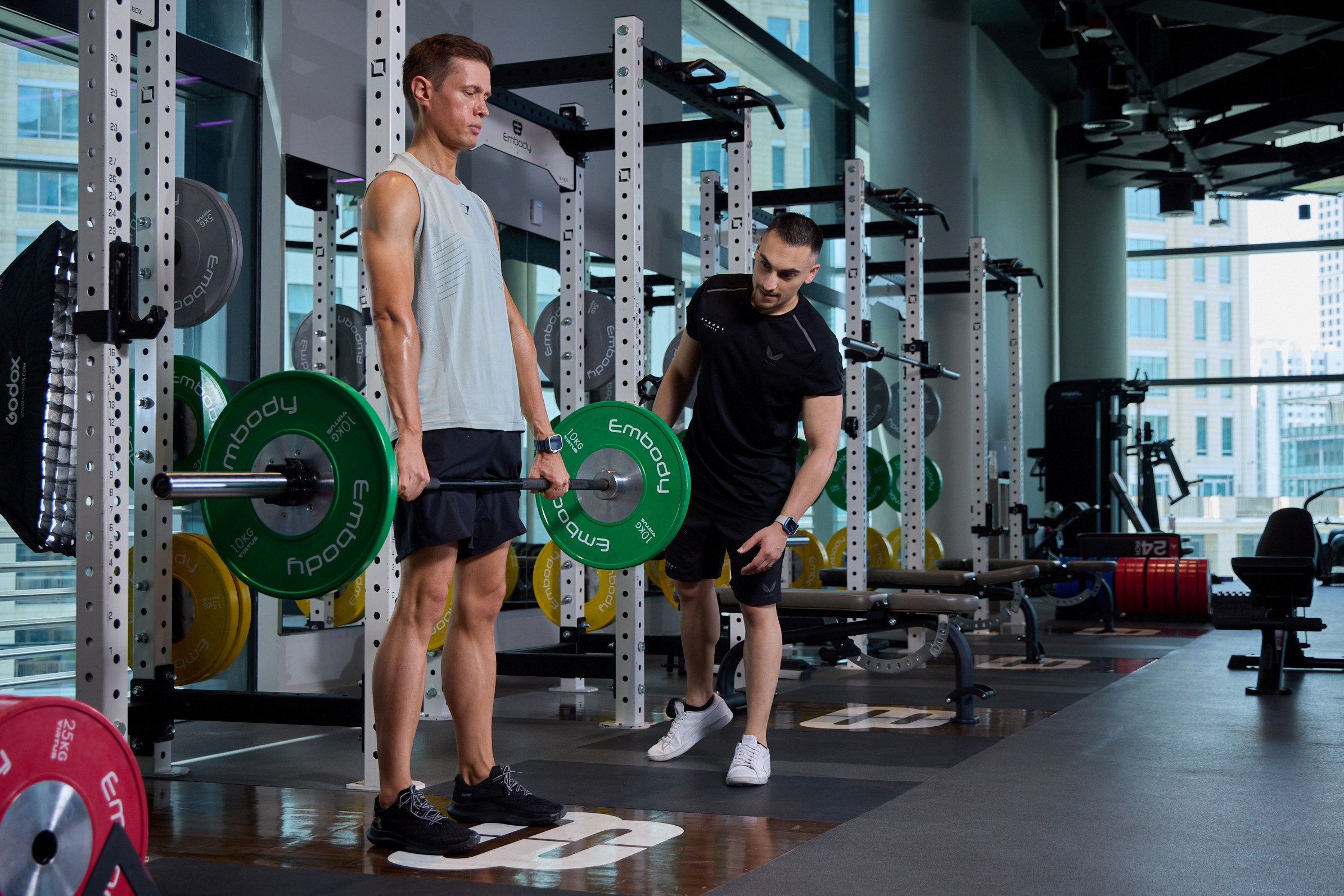
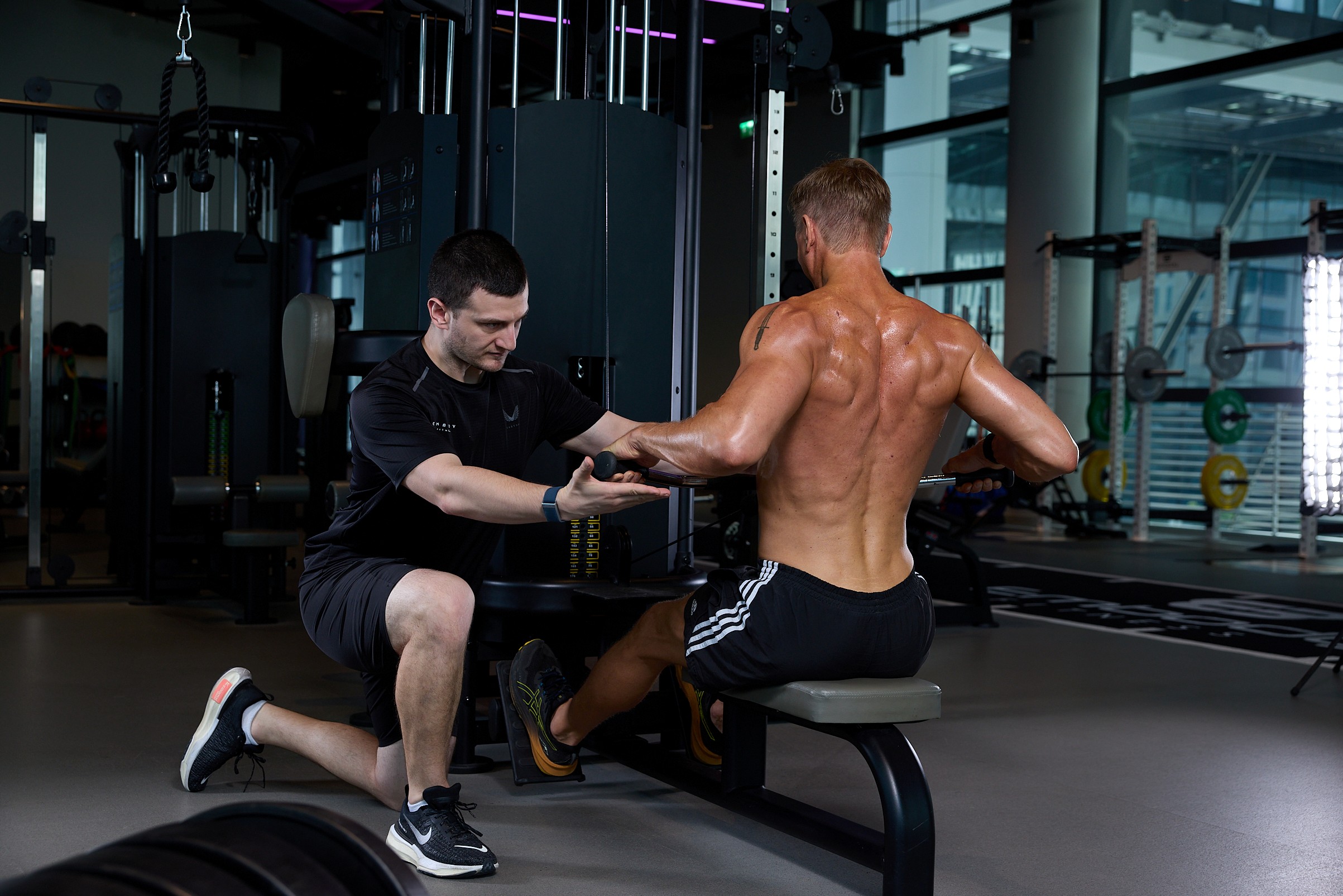
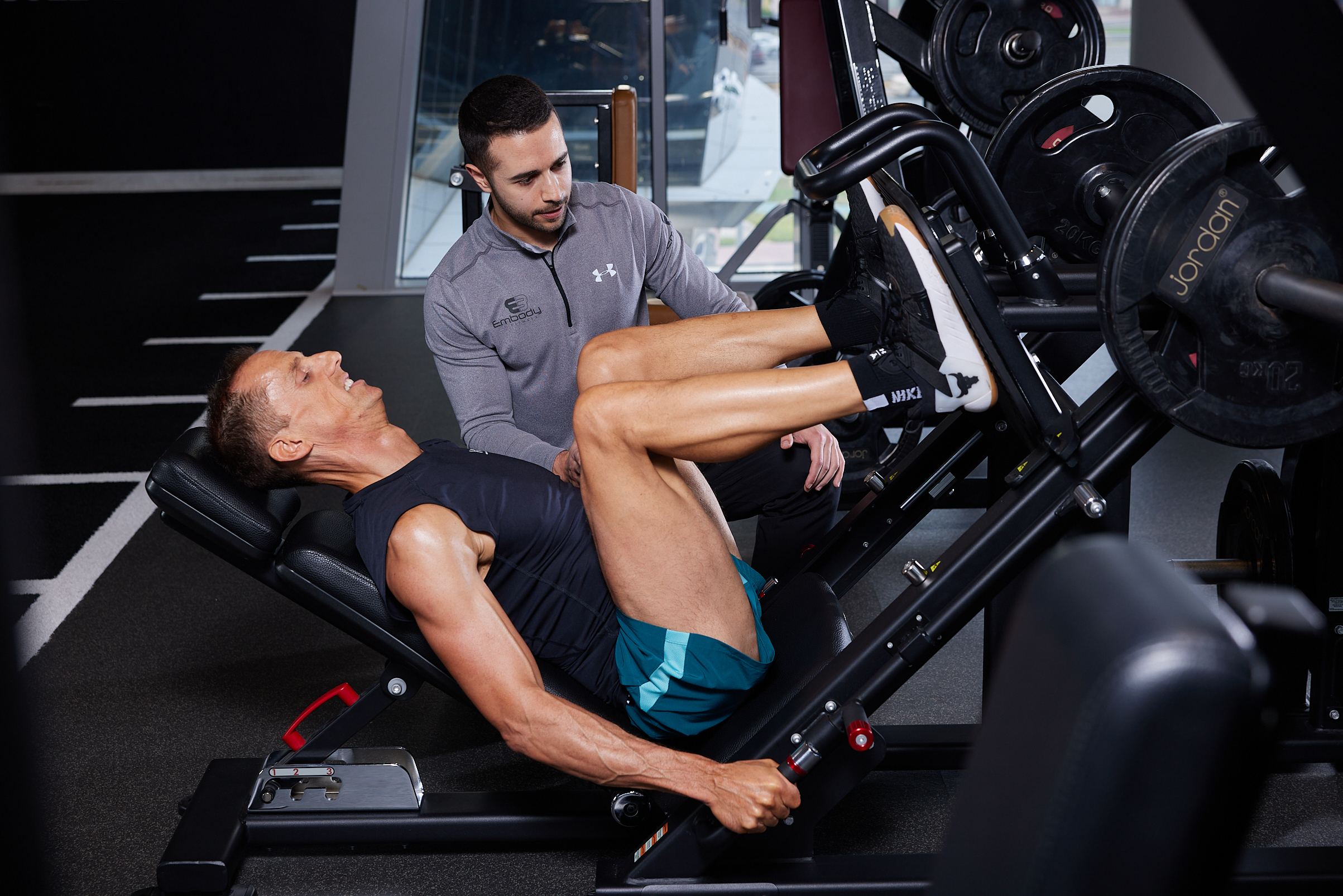
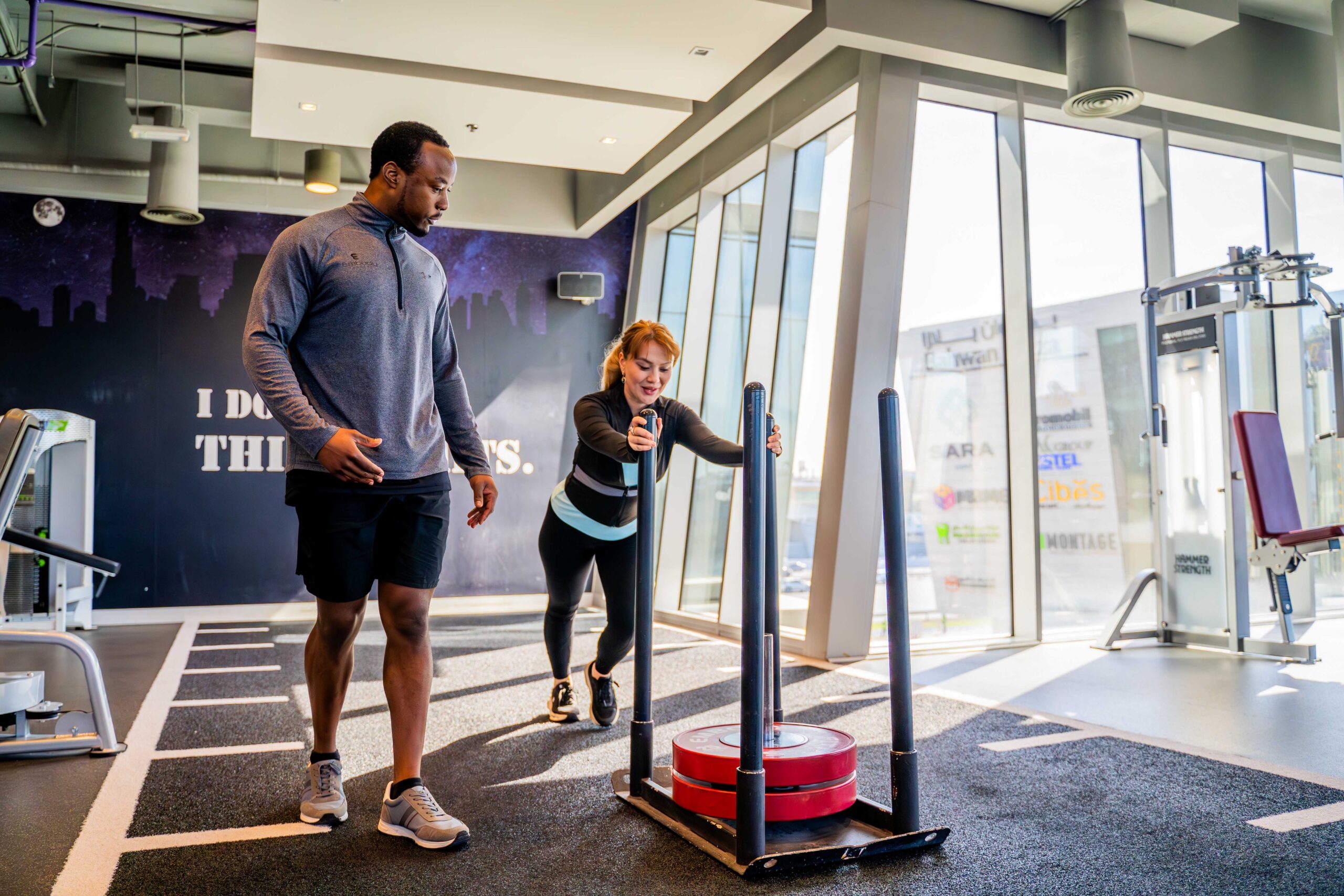
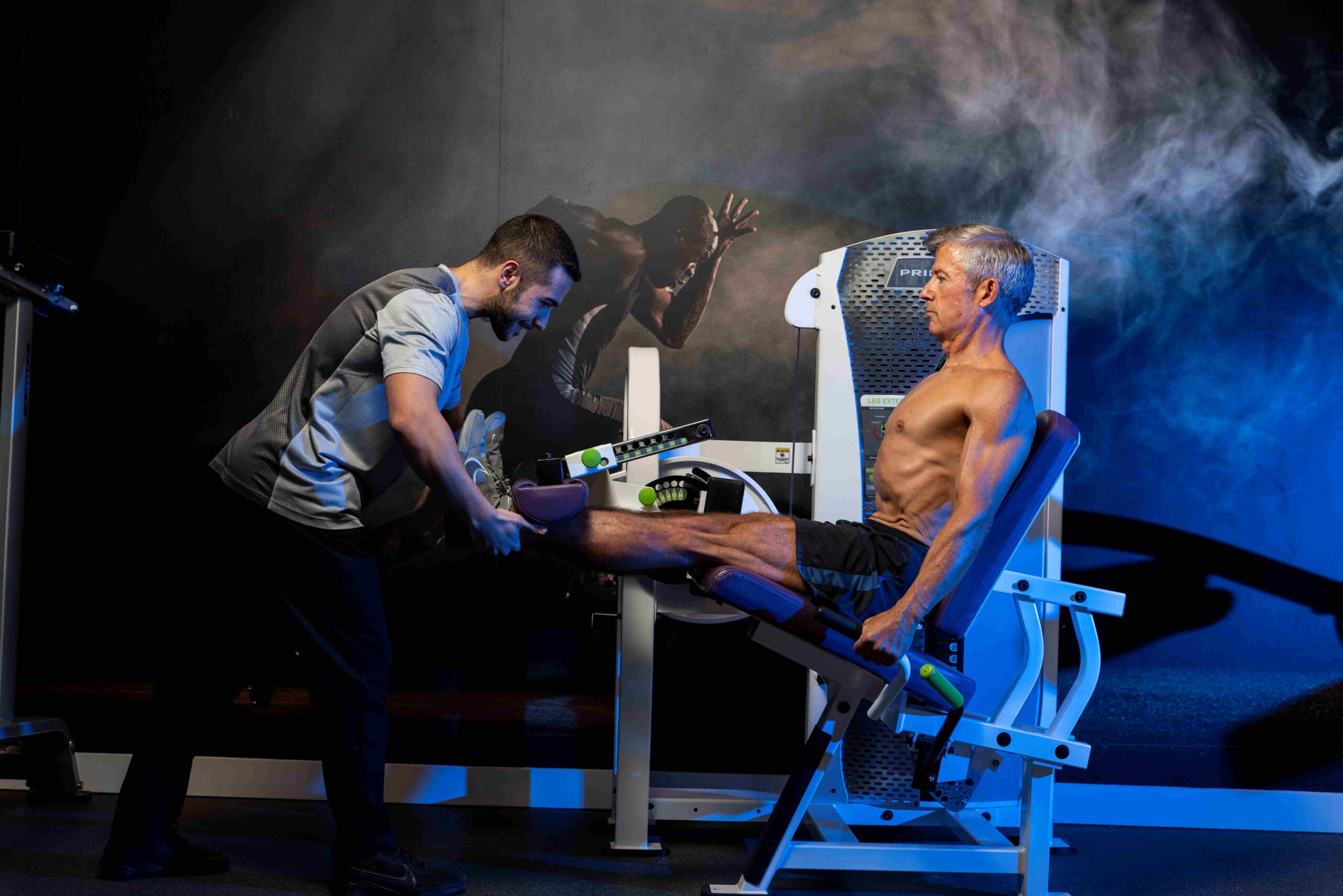
Applying these principles correctly to your specific body, goals, and training history requires expertise, not guesswork. Working with a personal trainer experienced in training clients over 40 in Dubai ensures your programme accounts for joint health, recovery capacity, and progressive loading from the start, adjusting as your body responds rather than relying on a generic plan.
Edward Sanders, a Managing Director based in Dubai since 2001, came to Embody with a sedentary background and little confidence in the gym. Through a structured personal training programme, he significantly improved his strength, physique, and energy levels within months, a result he attributes to structure, not intensity. Read Edward Sanders' full transformation story to see exactly what that process looked like.
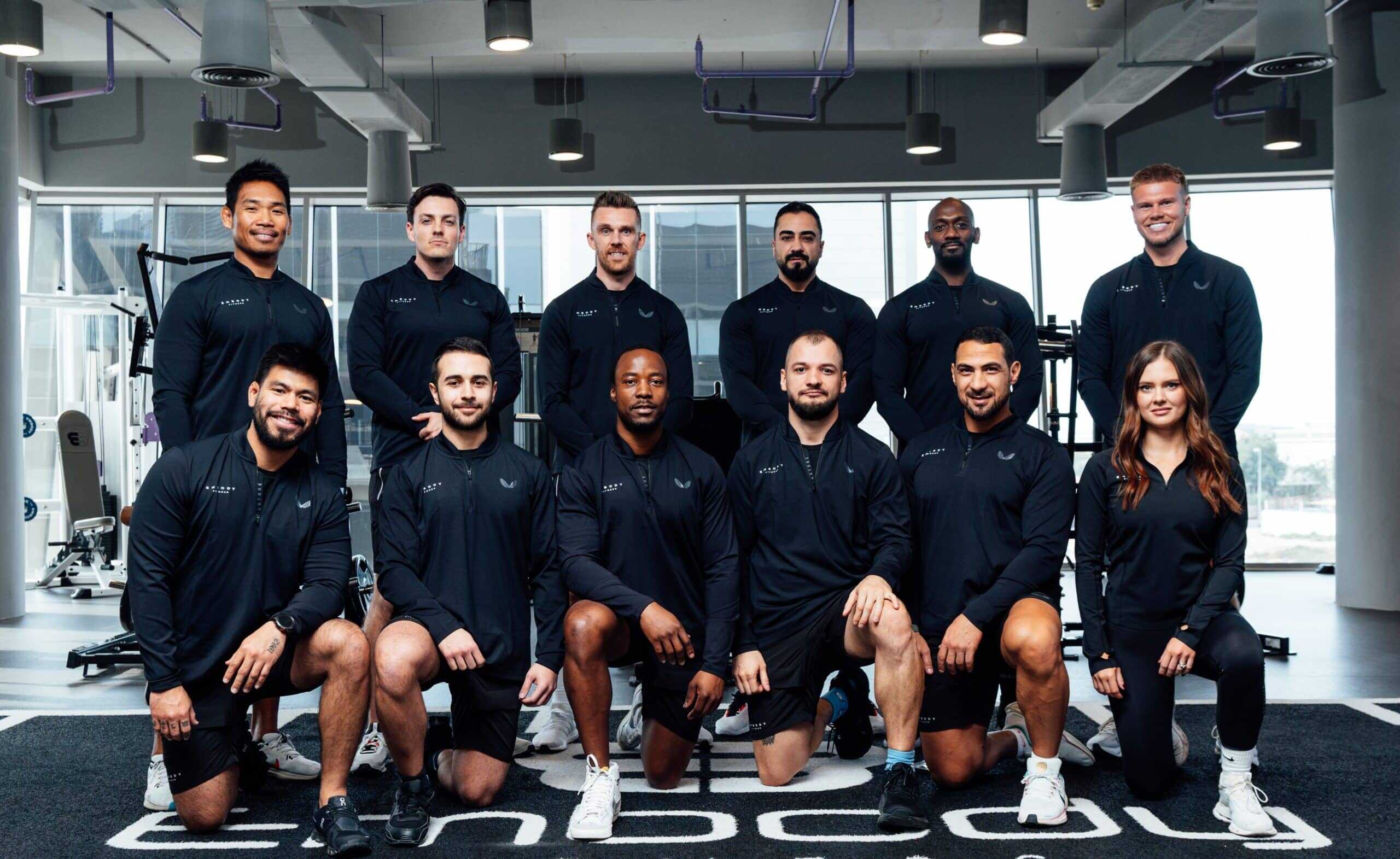
At Embody Fitness, our personal trainers in Dubai specialise in building programmes for those over 40 that apply progressive overload intelligently, protect joint health, and deliver consistent, measurable results through structured training and nutrition.
Ready to train smarter and see real changes? Start your transformation with a personalized consultation.



Achieve your fitness goals faster with expert personal trainers guiding you every step of the way in just 8 weeks.
Enquire now