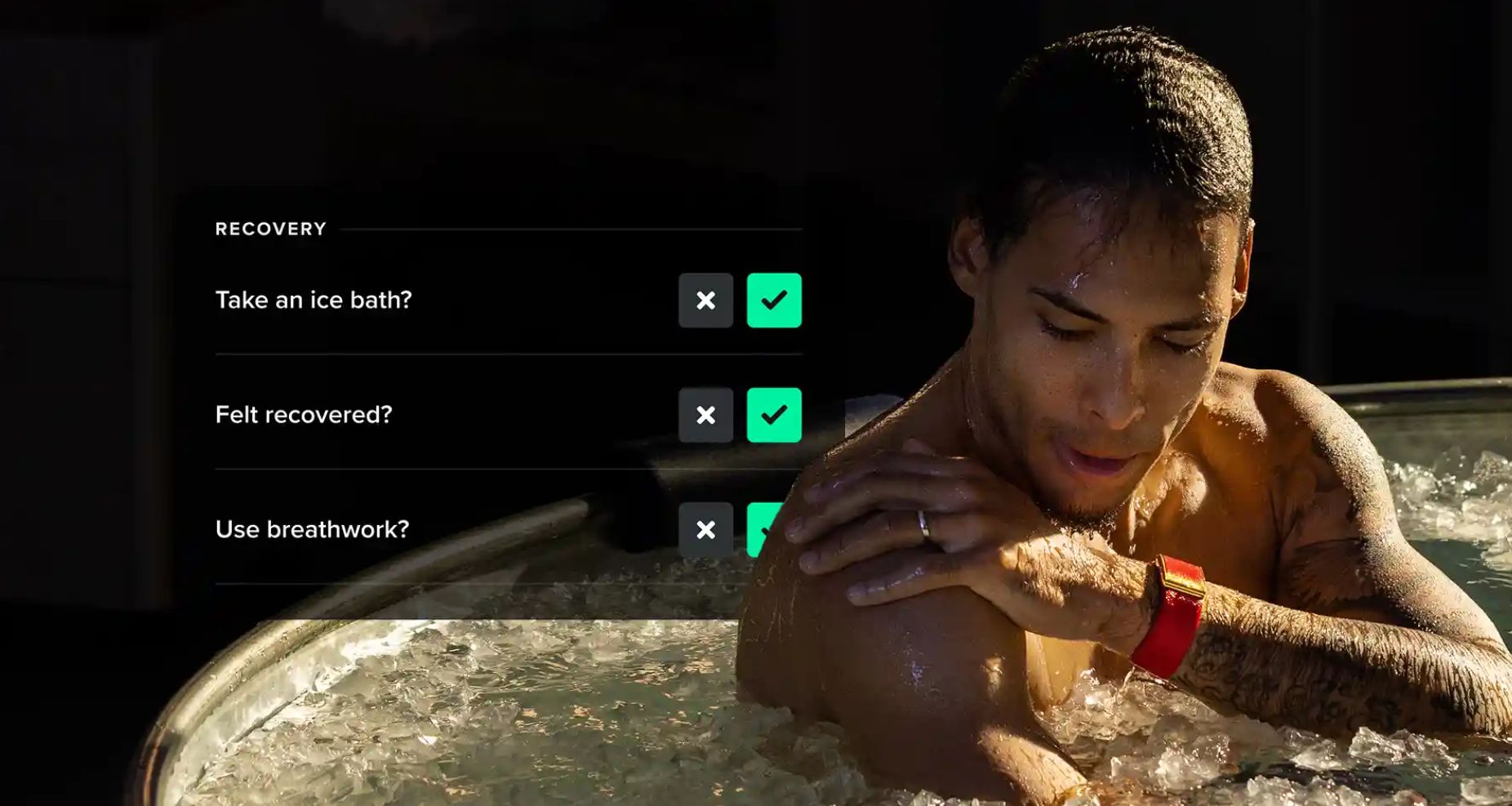
How to Pair Your WHOOP Recovery Score With Ice Baths and Infrared Sauna
Published: July 27, 2026
Category: Fitness Technology
Recovery tools are most effective when they are used with purpose. Instead of following the same routine every day, your WHOOP recovery score can help you decide whether your body is ready for cold exposure, heat therapy, or simply more rest.
Most WHOOP users check their recovery score first thing in the morning, then go about their day without giving it much more thought. That same score can also help answer an important question many people overlook: should today be an ice bath, an infrared sauna session or simply a day to prioritise recovery?
Recovery focused experiences like this were part of what made Wellness Week 2026 at ICD Brookfield Place stand out this year, with WHOOP testing and recovery treatments drawing steady interest throughout the week.
Here is how to use your recovery data to decide, rather than guessing.
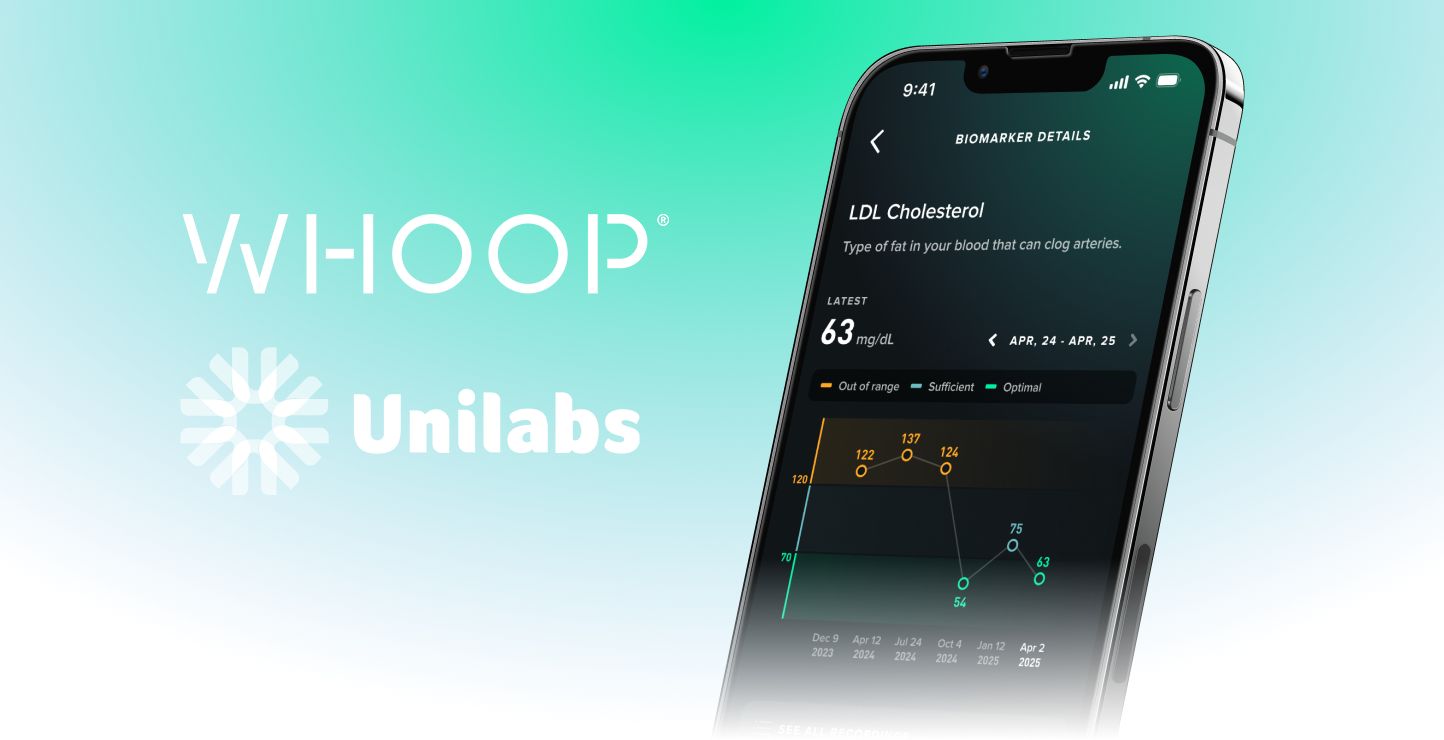
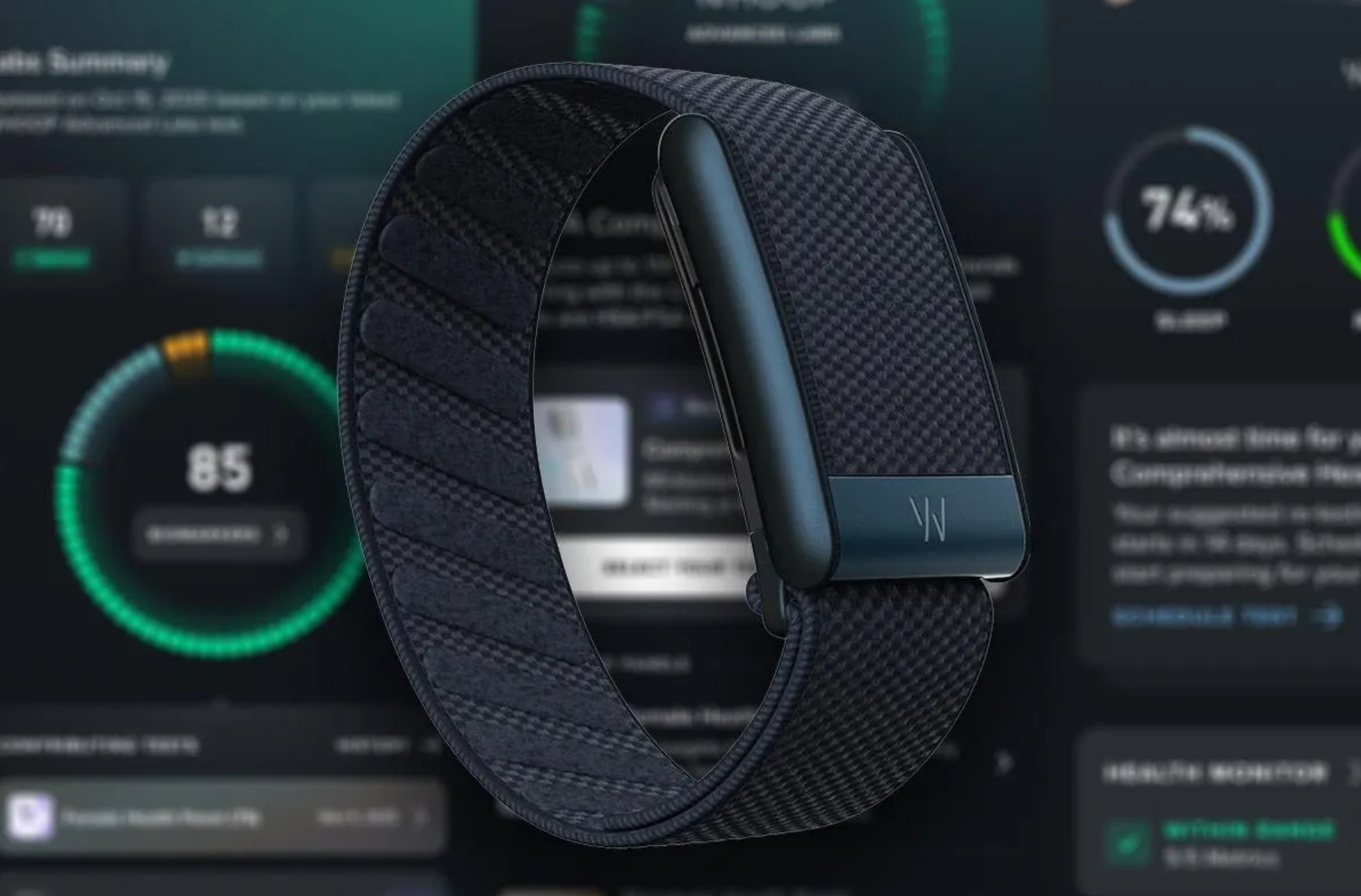
WHOOP calculates recovery using resting heart rate, heart rate variability and sleep quality, giving you a daily read on how ready your body is for stress. According to WHOOP's own research on cold therapy, cold exposure is one of the most commonly logged recovery activities among its members, precisely because the effects show up clearly in that same data.
A high recovery score generally means your body has bounced back well and can handle more stress. A low score means the opposite: your nervous system is already under load, and how you respond to further stress, hot or cold, may look different than usual.

Cold exposure creates what is known as a hormetic stress response: a short, controlled shock that the body adapts to over time. Timing that stress around your recovery data tends to work better than a fixed daily routine.
Rather than treating ice baths as a daily habit, using your recovery score as a guide can help you decide when cold exposure is most likely to support your training.
Heat and cold do different jobs, and your recovery score can help decide which one your body needs on a given day.
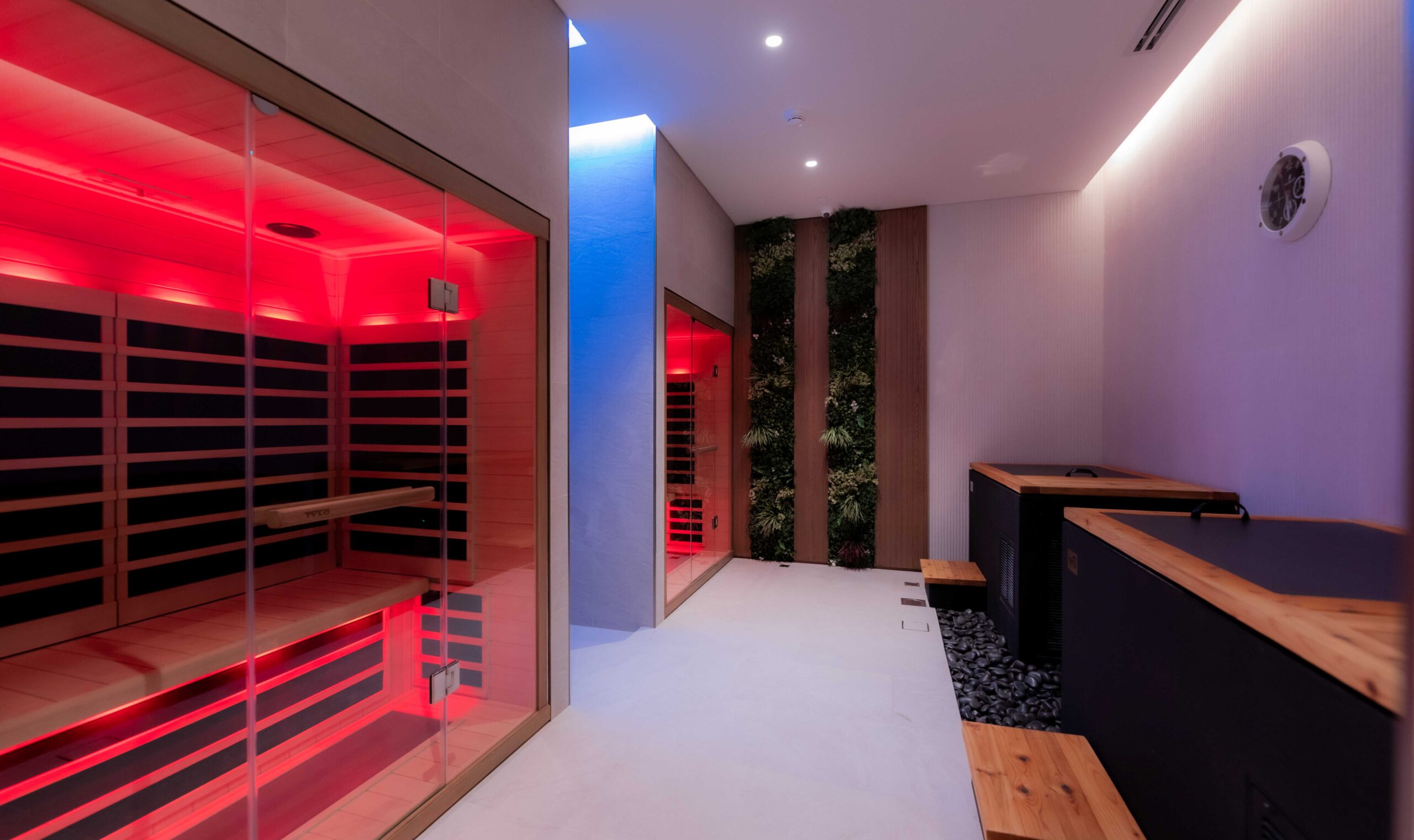
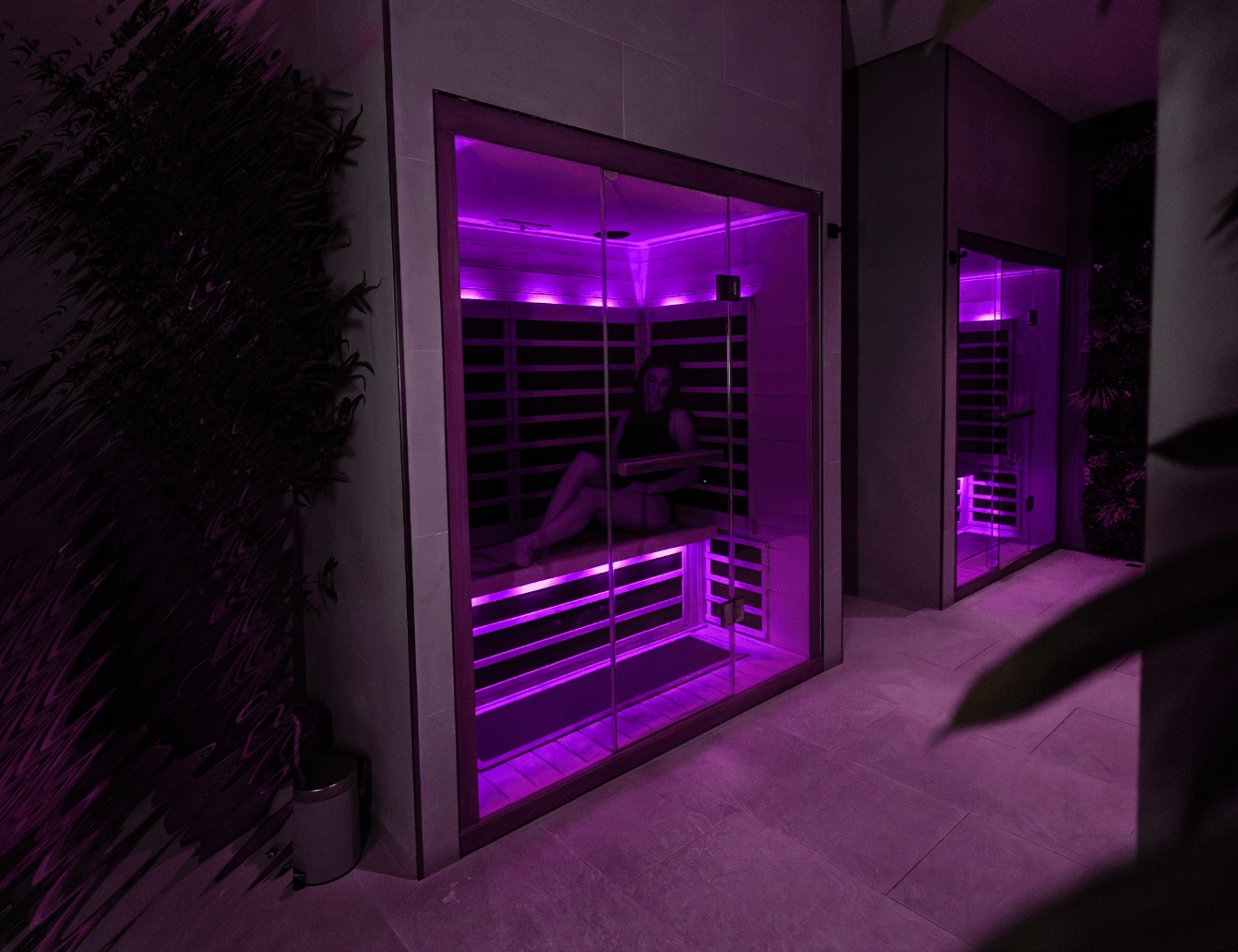
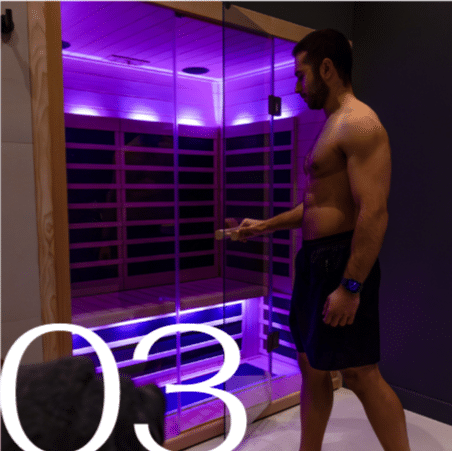
Infrared sauna sessions raise core temperature gradually, which can support circulation and relaxation without the sharp shock of cold exposure. On days when recovery is low and the body is already under strain, sauna is often the gentler option, especially when paired with rest rather than another hard training session.
Some people also alternate between the two, known as contrast therapy, moving between heat and cold to get benefits from both. This tends to work best once you already have a feel for how your body responds to each on its own. The goal is not to maximise the amount of recovery work you do, but to choose the right recovery method at the right time.
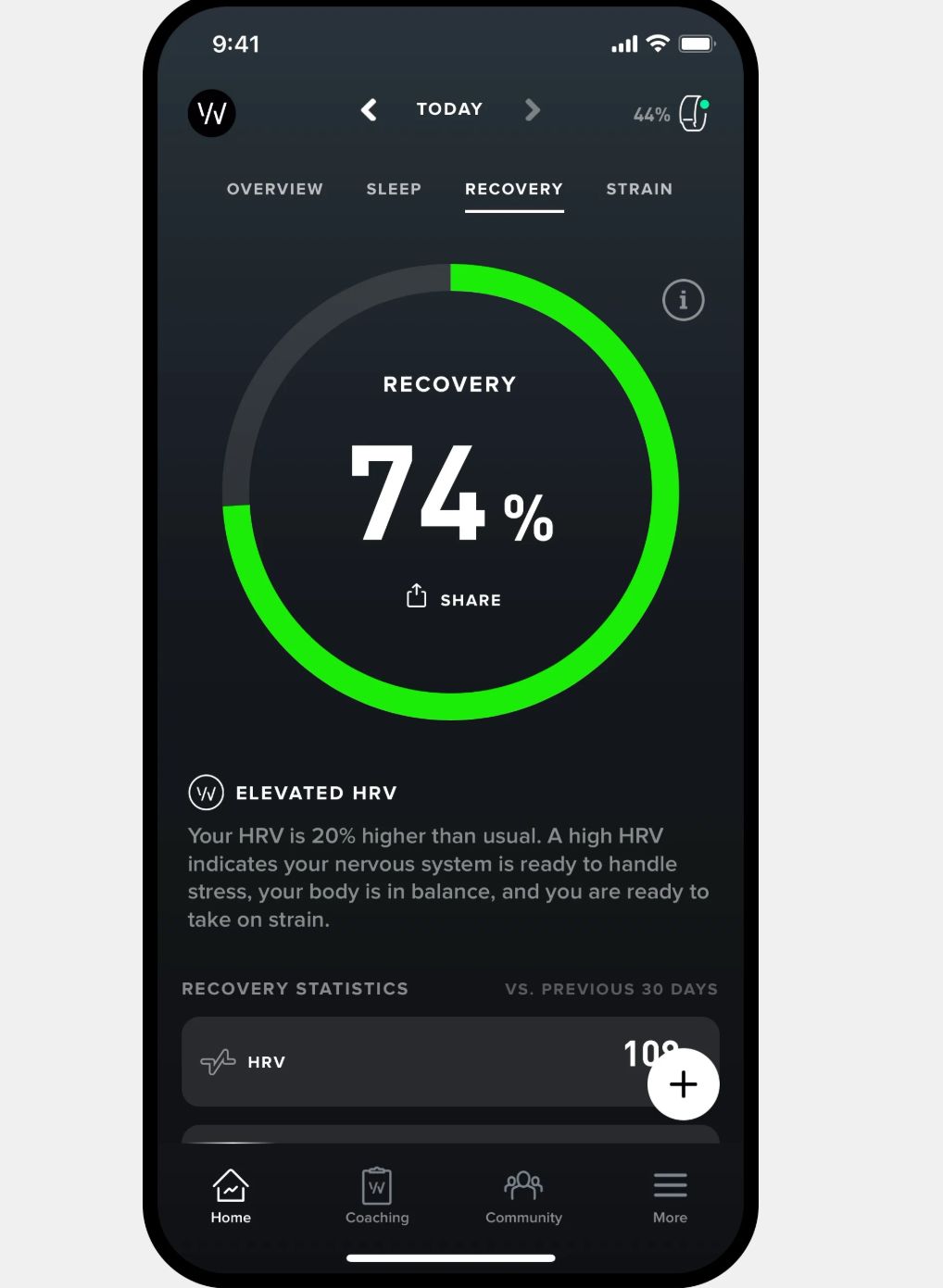
A few starting principles worth keeping in mind:
None of this needs to be complicated. The goal is simply matching the recovery method to what your body actually needs that day, instead of following the same routine regardless of how you are doing.
Consistent recovery habits can have a significant impact over time. Tom's transformation journey is a good example of how structured training, recovery and consistency work together to produce lasting results.
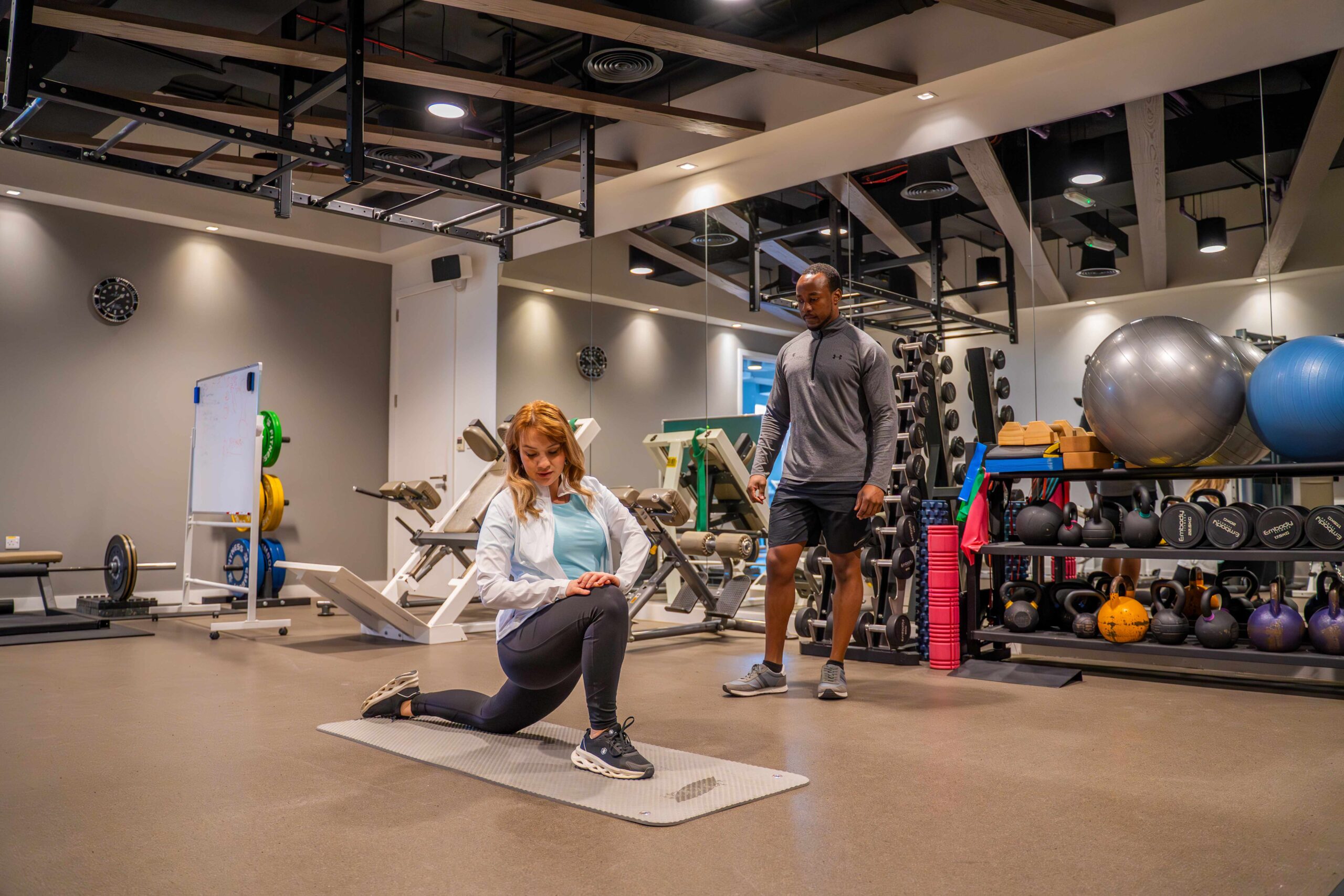
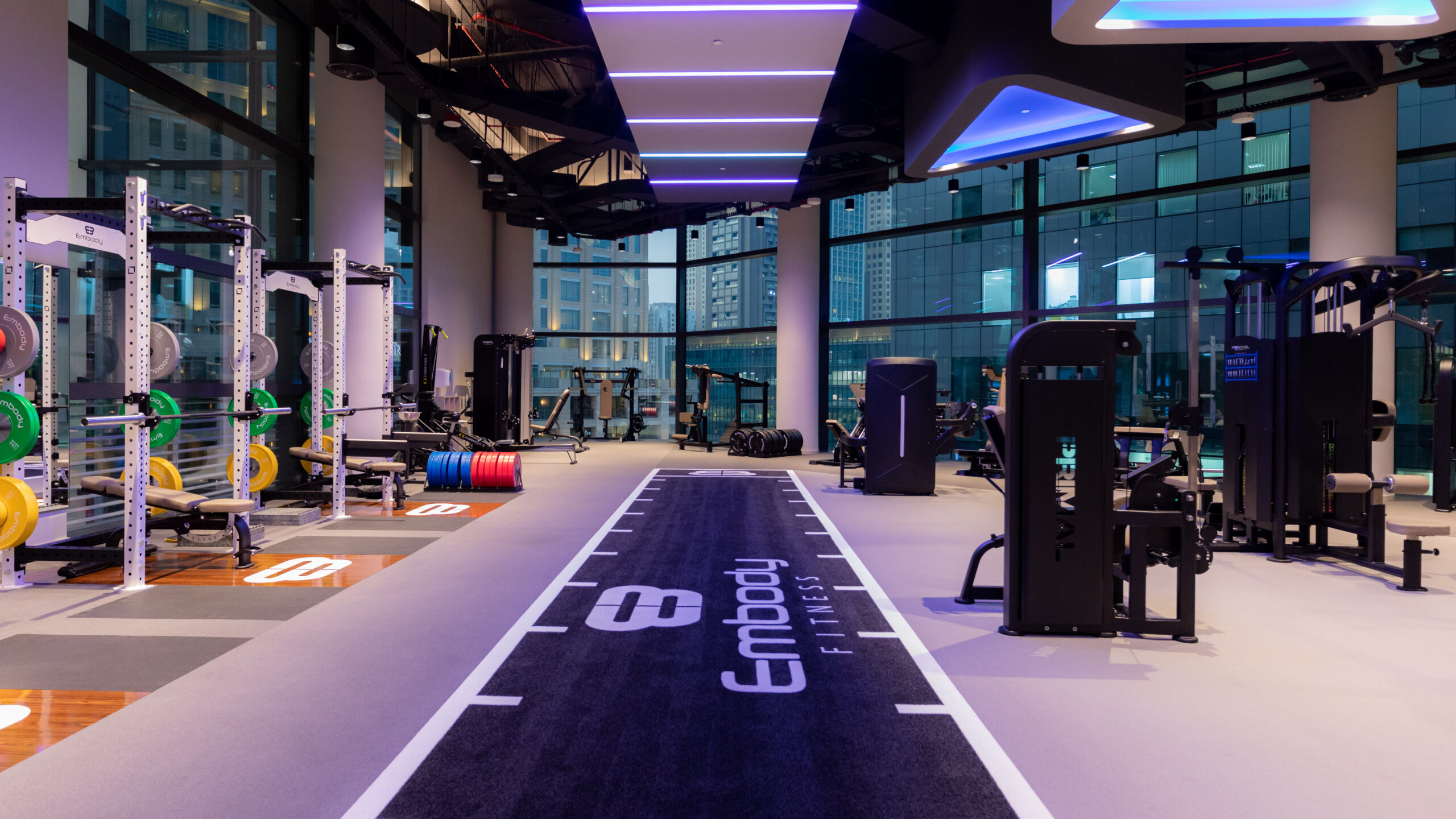
Recovery becomes far more valuable when it is part of a structured training plan rather than something you do occasionally. At Embody Fitness, recovery strategies such as ice baths, infrared sauna and data driven coaching are integrated into your programme based on your goals and training demands, rather than added on as an afterthought.
If you are looking for a structured recovery programme in Dubai, book a free consultation and find out what a more intentional approach to recovery could look like for you.



Achieve your fitness goals faster with expert personal trainers guiding you every step of the way in just 8 weeks.
Enquire now