Body Fat Measurement Methods Compared: Which One Should You Trust?
Published: October 16, 2026
Category: Fitness Technology
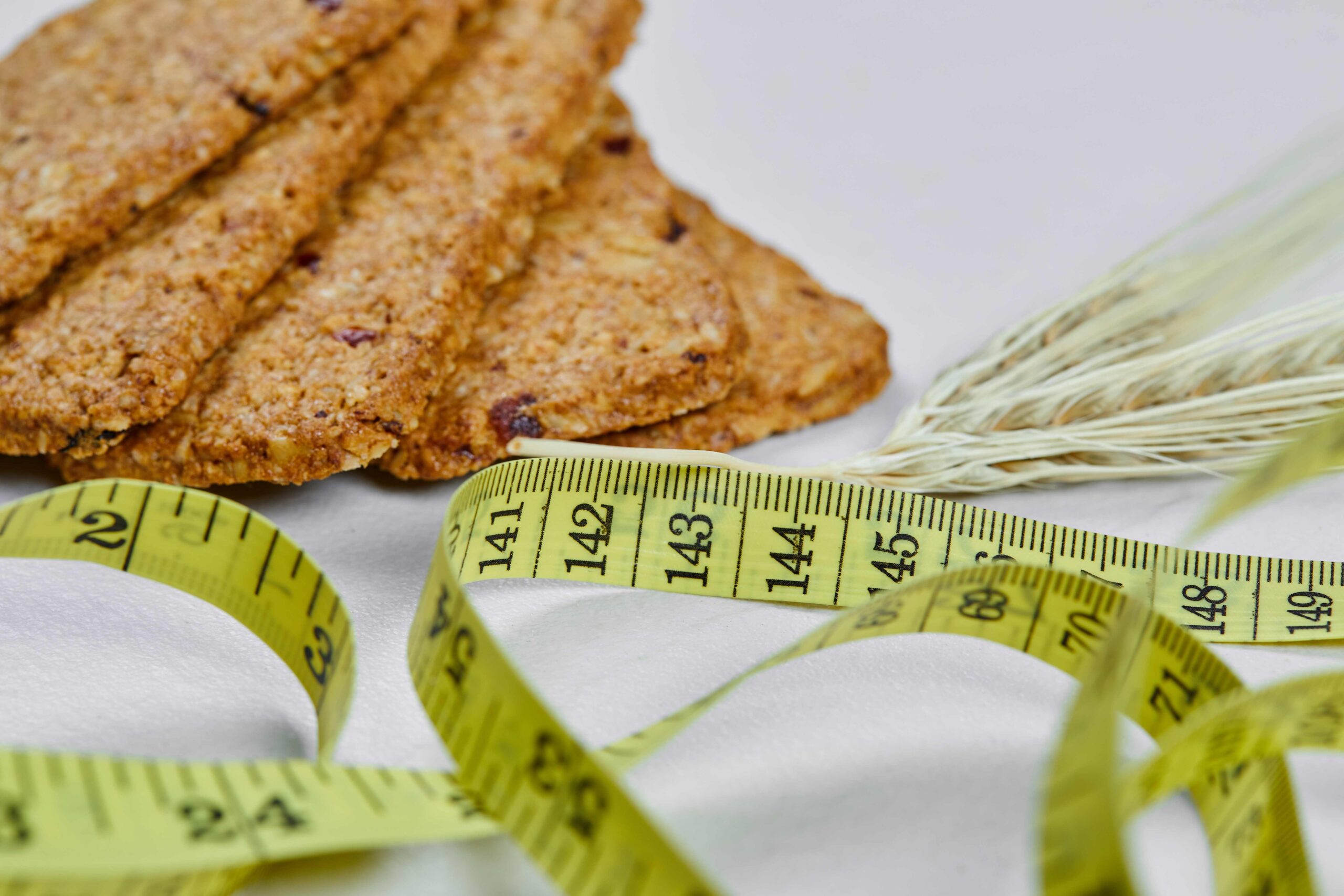
If you're trying to lose fat, build muscle, or improve your physique, understanding how to measure body fat accurately is far more valuable than relying on the number on the scale alone.
Body weight can fluctuate due to hydration, glycogen storage, food intake, and other factors. That’s why many fitness professionals recommend tracking body composition rather than relying solely on body weight.
Understanding how to measure body fat can help you evaluate progress more accurately and avoid becoming discouraged by normal weight fluctuations.
Two people can weigh the same but have completely different body compositions. For this reason, relying on the scale alone can give a misleading picture of your progress.
One individual may carry more muscle mass, while the other may carry more body fat.
This is why body fat percentage is often a more meaningful metric when assessing health, fitness, and physique-related goals.
Tracking body fat can help you:
According to Cleveland Clinic's guide to understanding body fat percentage, body composition provides a more complete picture of health and fitness than body weight alone.
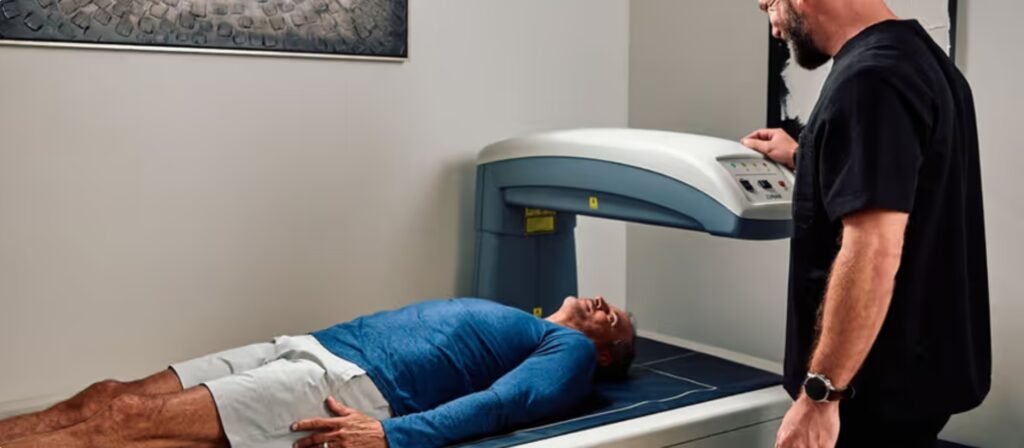
When discussing body fat measurement methods, DEXA scans are often considered one of the most accurate options available.
DEXA (Dual-Energy X-ray Absorptiometry) measures:
If you're looking for the most accurate body composition analysis available, DEXA remains the gold standard for measuring body fat, muscle mass, and bone density.
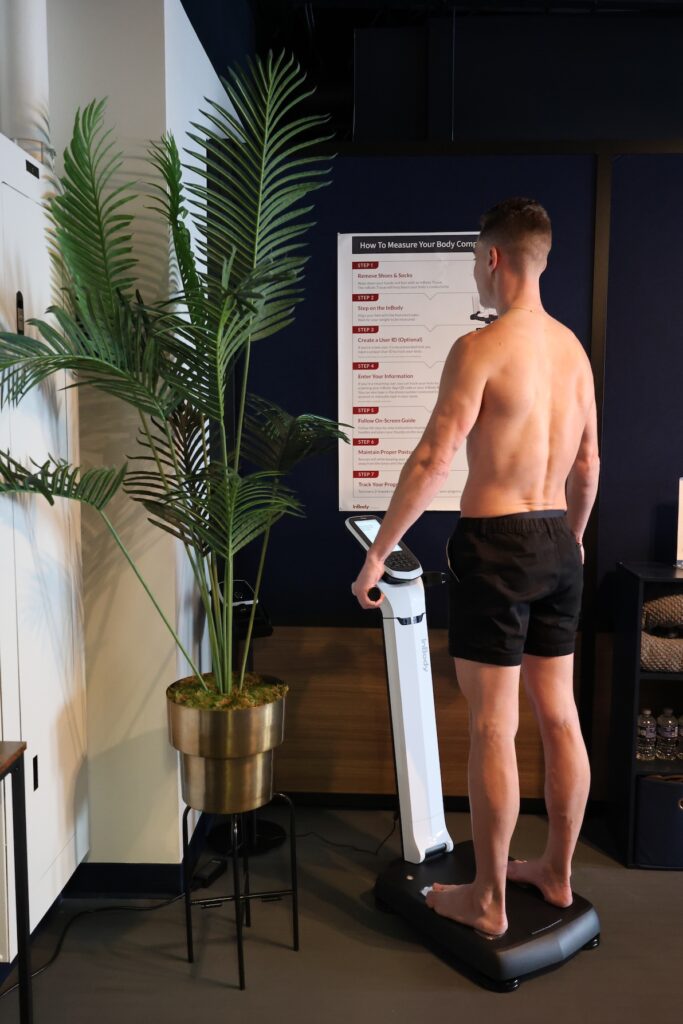
InBody scanners use bioelectrical impedance technology to estimate body composition.
They are commonly used in gyms and fitness facilities because they are quick, non-invasive, and easy to repeat under consistent conditions.
For the most reliable results, take InBody measurements under similar conditions each time, such as at the same time of day and with similar hydration levels.
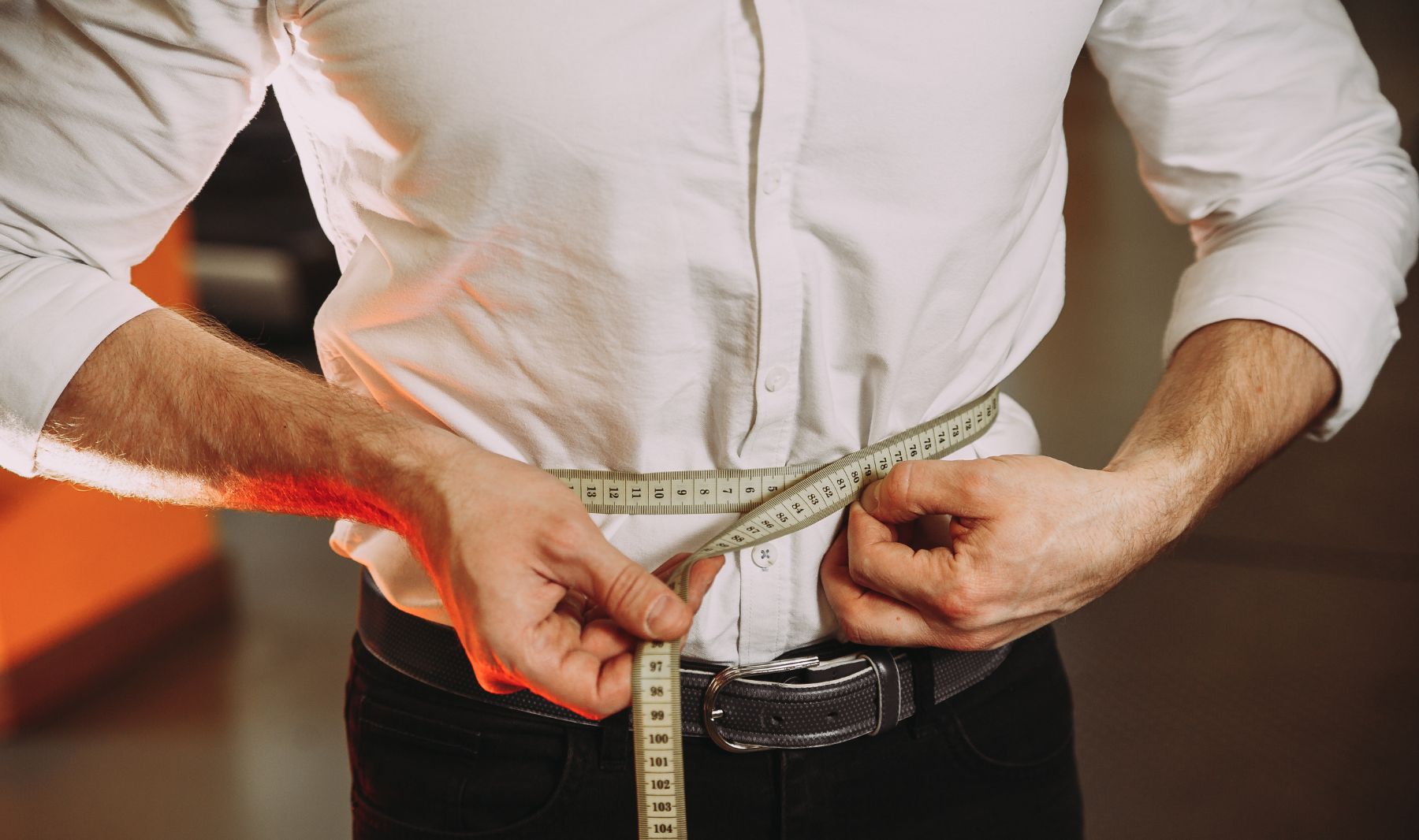
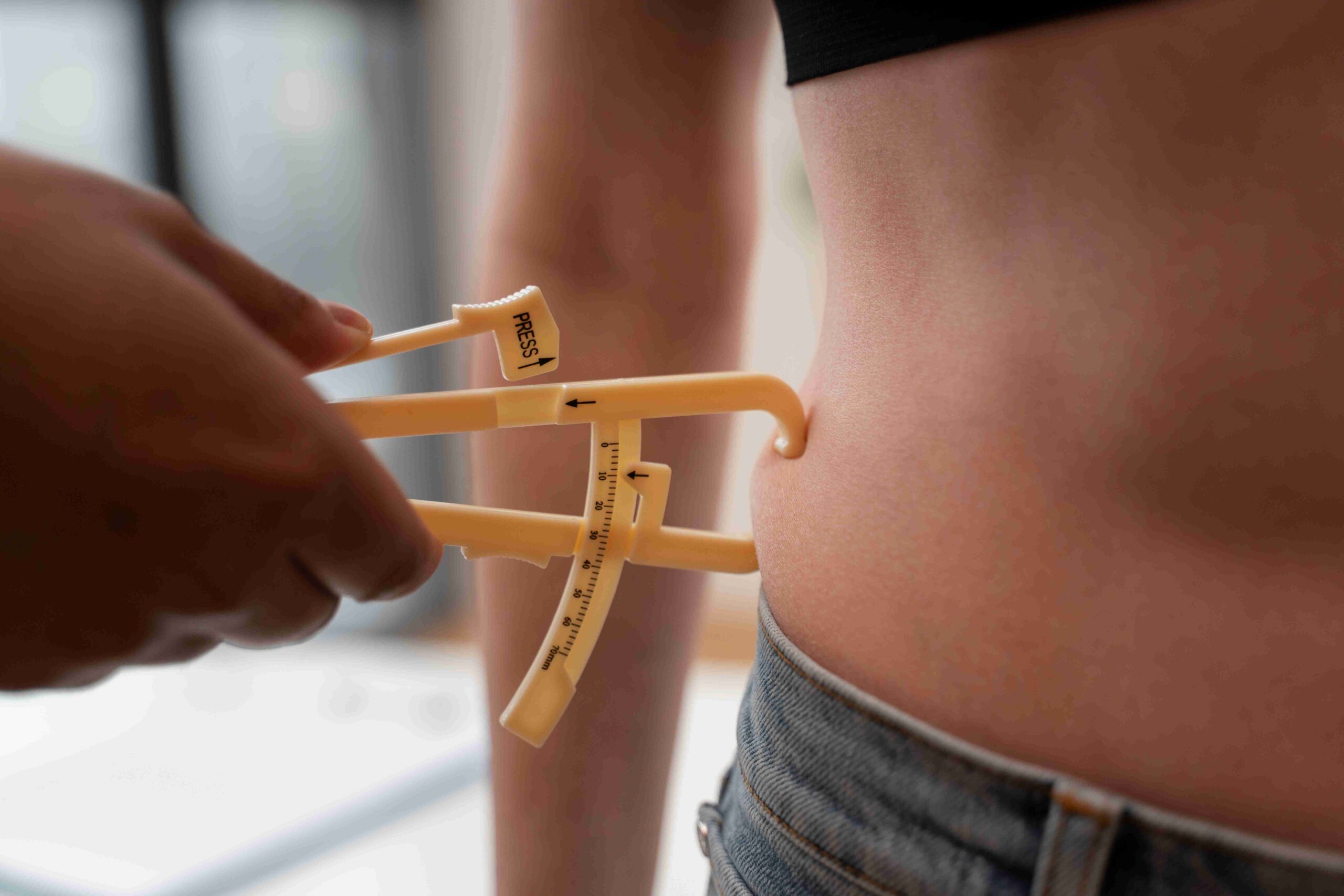
Skinfold testing estimates body fat by measuring the thickness of skinfolds at specific locations on the body.
A trained practitioner uses calipers to collect measurements which are then entered into predictive equations.
When performed consistently by an experienced practitioner, skinfold calipers can be a reliable and cost-effective way to track changes in body fat over time.

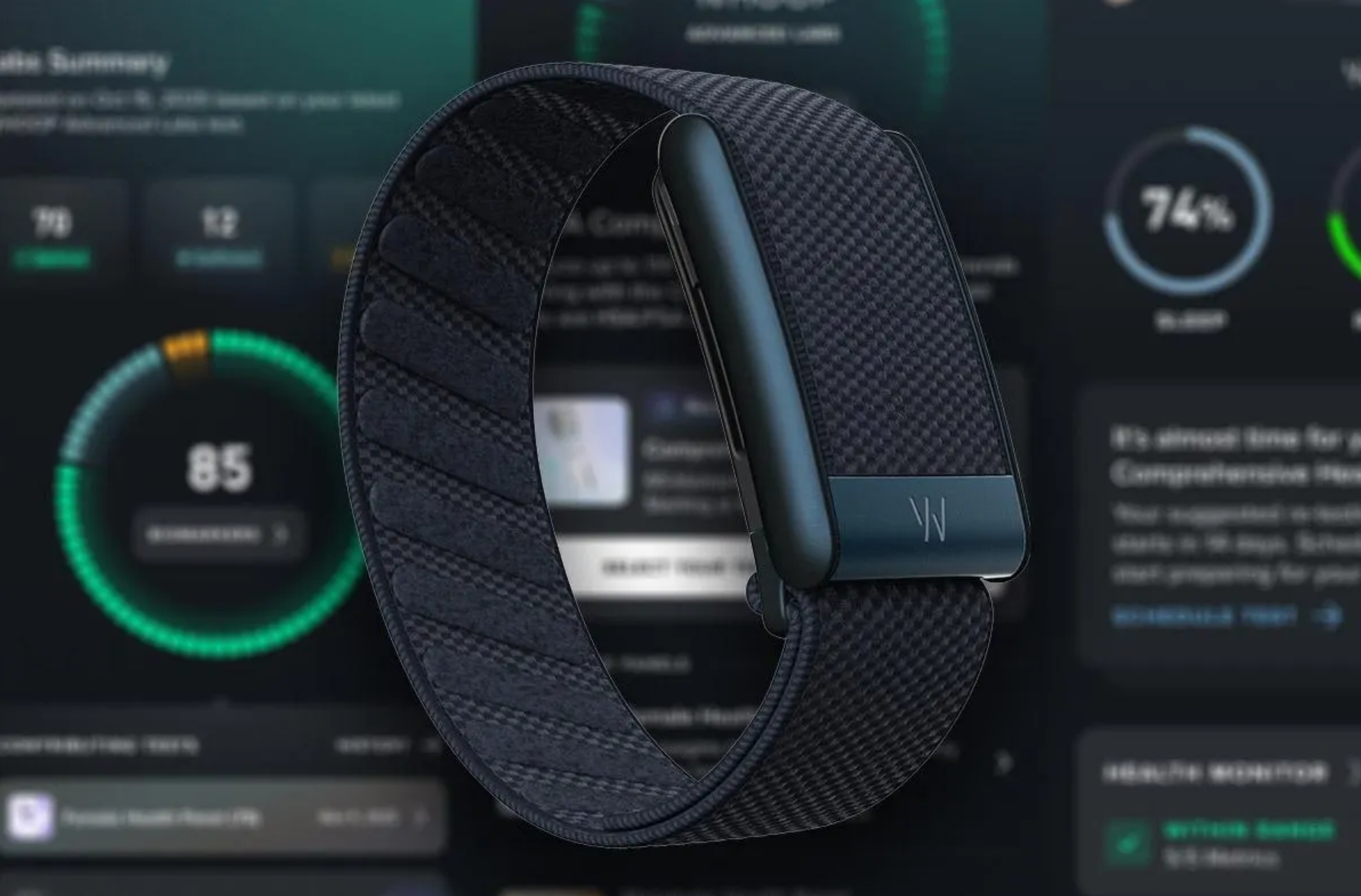
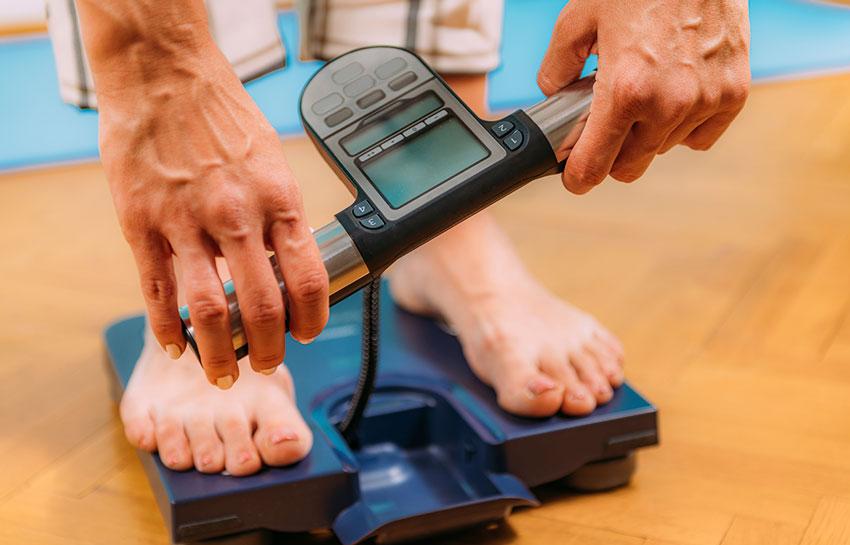
Many home scales now estimate body fat percentage using bioelectrical impedance.
While convenient for home use, these devices should be used to track long-term trends rather than relying on individual readings.
When used consistently under similar conditions, body fat scales can still be useful for monitoring long-term progress.
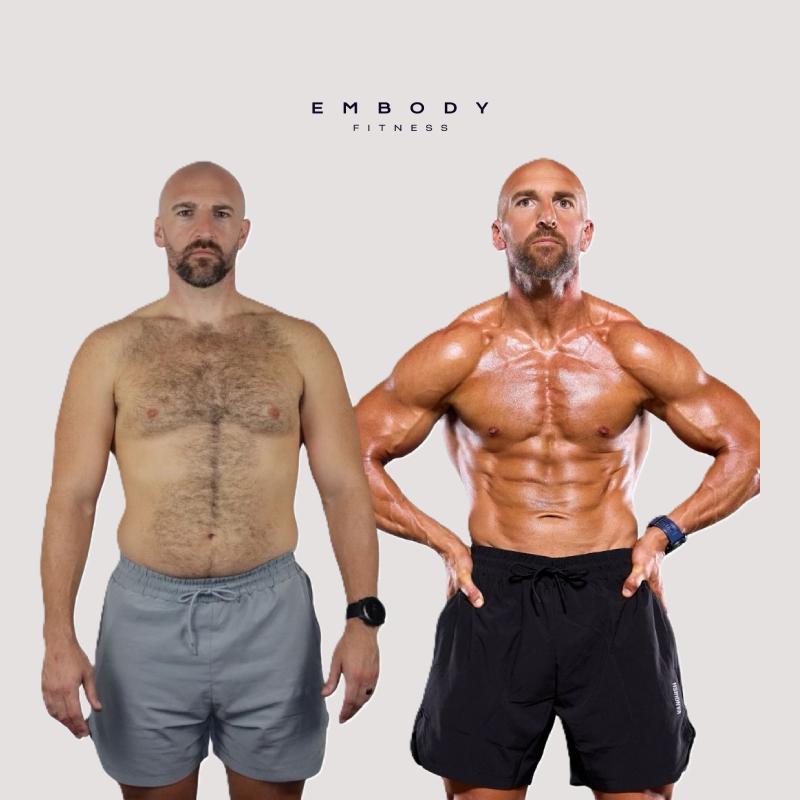
Progress photos are one of the simplest and most effective ways to track changes in body composition over time.
While they don't provide a specific body fat percentage, they often reveal meaningful changes in muscle definition, posture, and overall physique that numbers alone cannot capture.
Progress photos can highlight:
This is one reason why every successful body transformation journey includes progress photos alongside other tracking methods rather than relying on a single measurement tool.
The best body fat measurement method depends on your goals, budget, and how often you plan to track your progress.
Many people spend too much time searching for the perfect measurement method.
In reality, the most valuable data comes from consistent tracking over time.
Using the same method under similar conditions allows you to identify meaningful trends and make informed adjustments to your training and nutrition strategy.
Even the most accurate method becomes less useful if measurements aren't taken consistently. Using the same method under similar conditions is the best way to track meaningful changes over time.
The most effective approach is often a combination of tracking tools.
For example:
No single measurement tells the full story. Combining several tracking methods provides a more accurate picture of your progress. While the number on the scale can be useful, it doesn’t always reflect improvements in muscle mass, body fat percentage, or overall body composition.
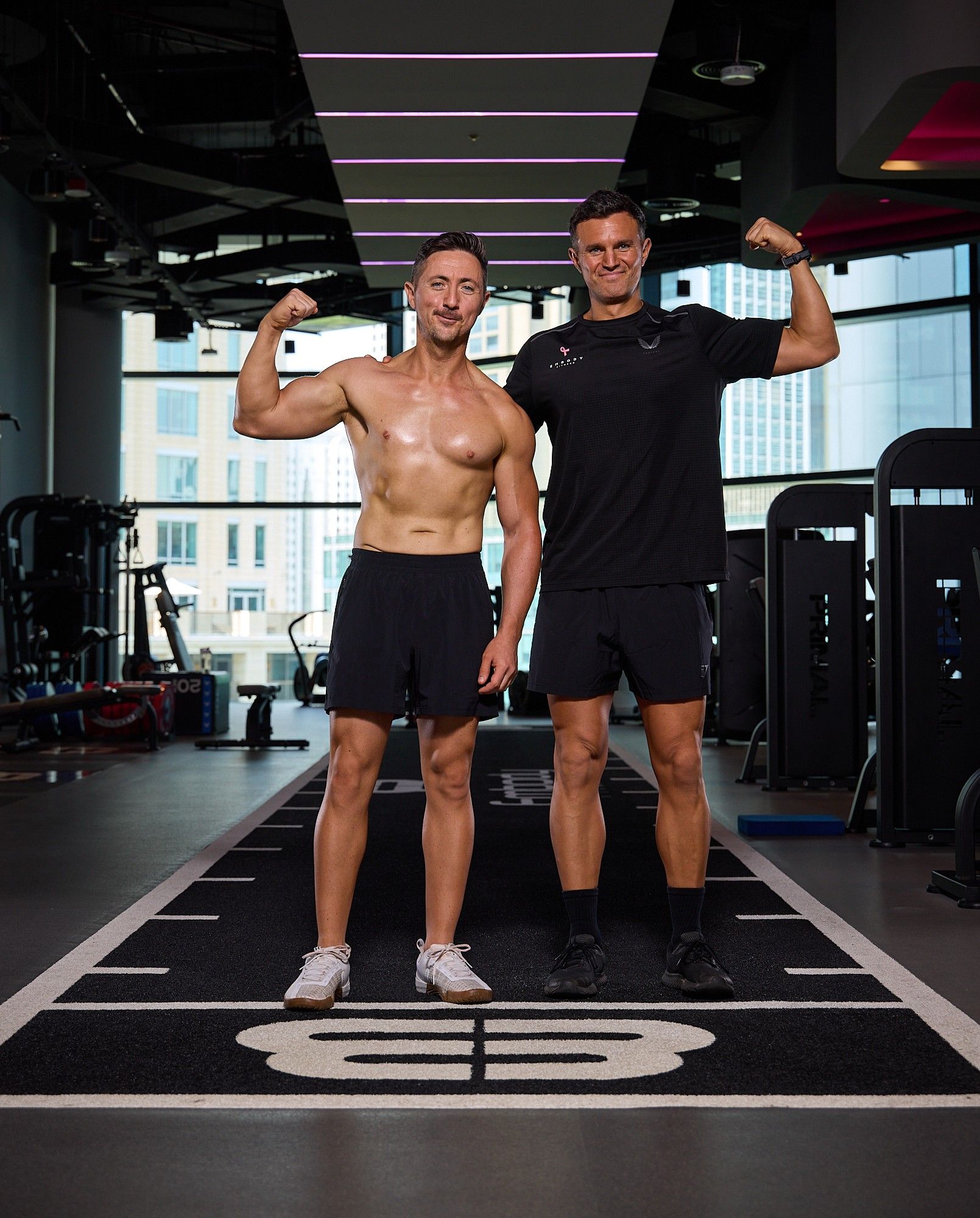
This is why reviewing real client transformation results can be so valuable. For example, Ben Tsicalas' body transformation journey demonstrates how consistent training, nutrition, and progress tracking can lead to significant improvements in body composition over time.
Understanding how to measure body fat is important, but the ultimate goal is not to collect data.
The goal is to use that information to make better decisions.
Whether you're aiming to reduce body fat percentage, build muscle, or improve overall health, consistent tracking helps ensure your efforts are moving in the right direction.
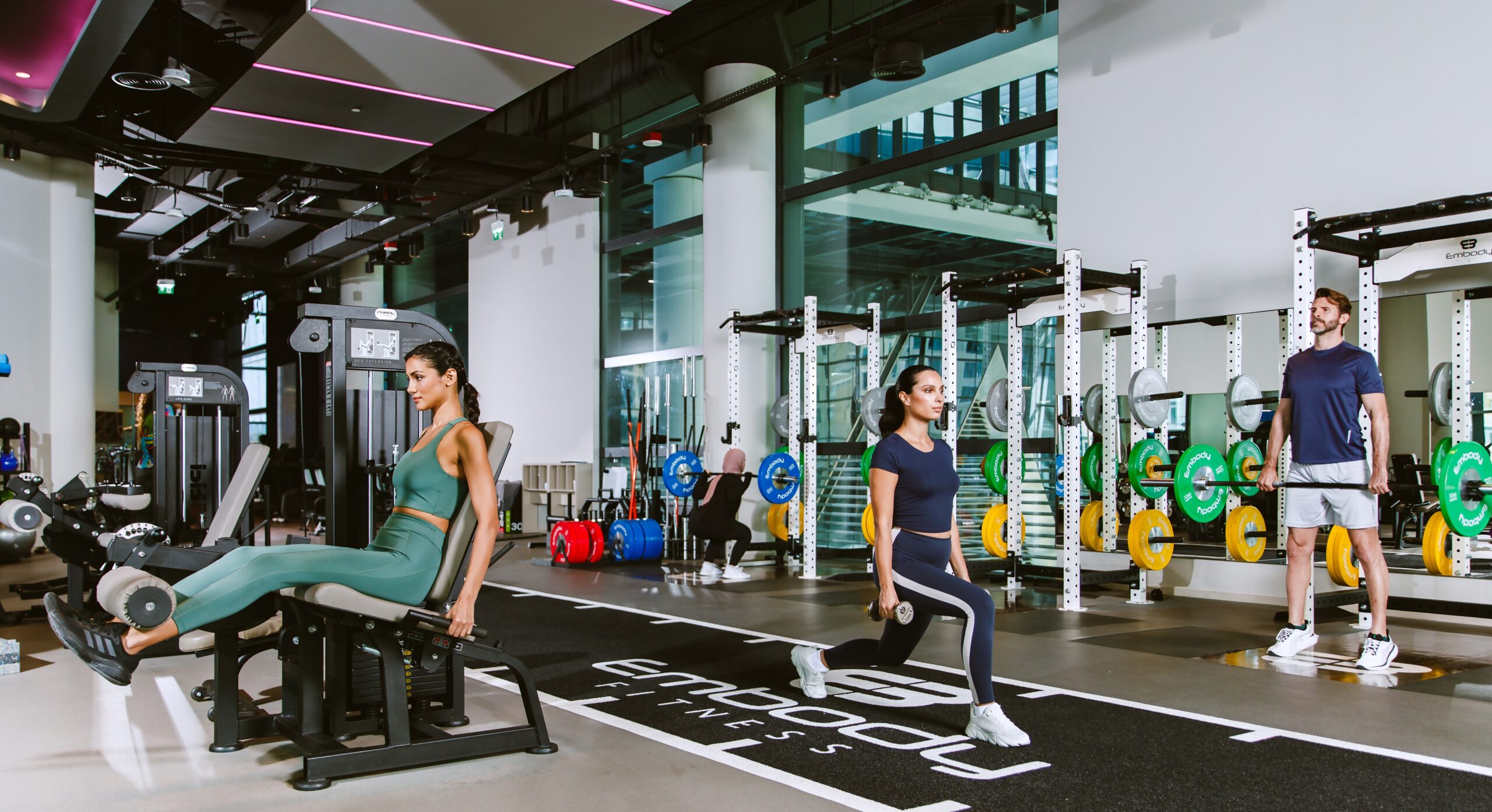
If you're looking for one of the best gyms in Dubai for body transformation, Embody Fitness combines personalised coaching, body composition tracking, and proven training methods to help you achieve lasting results.



Achieve your fitness goals faster with expert personal trainers guiding you every step of the way in just 8 weeks.
Enquire now