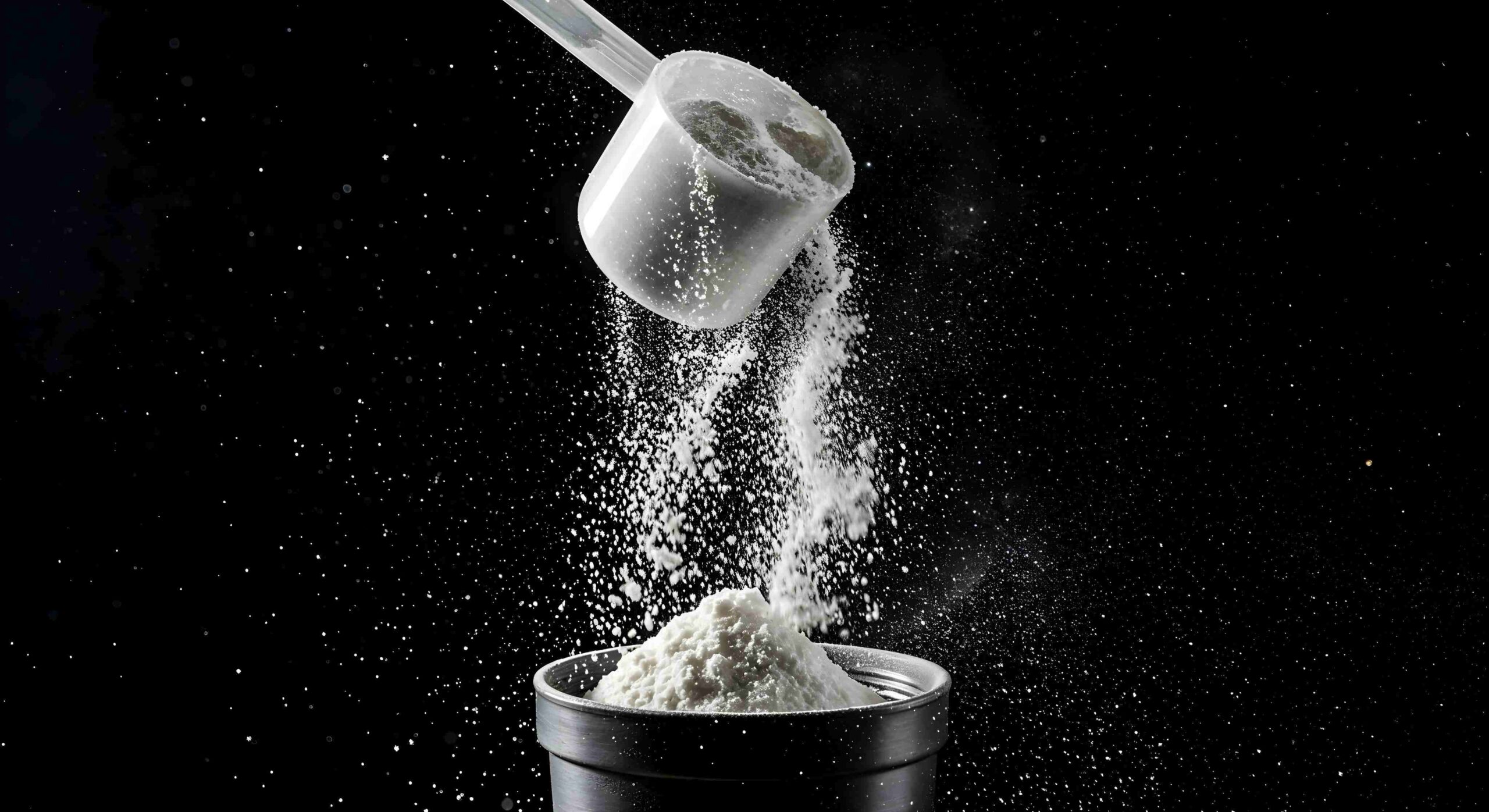
Creatine Benefits: What It Does, How Much to Take and Who Should Use It
Published: November 20, 2026
Category: Food & Nutrition
Walk into any supplement shop in Dubai and you will see shelves of powders promising more muscle, more energy and faster fat loss. Most of them have very little evidence behind them. Creatine is the exception.
It is one of the most studied supplements in sports nutrition, with hundreds of studies over more than three decades. It is also one of the most misunderstood. Clients regularly ask us whether it will make them bloated, damage their kidneys, cause hair loss or make them "bulky". This guide answers those questions plainly so you can decide whether creatine is right for you.
Creatine is a natural compound made from amino acids. Your body produces some in the liver and kidneys, and you also get it from food, mainly red meat and fish. Around 95 percent of it is stored in your muscles.
Its main job is to help your muscles produce energy quickly during short, intense efforts, such as a heavy set of squats, a sprint or a jump. Creatine supplements simply top up those muscle stores beyond what diet alone usually provides.

When your muscle stores are fuller, you can do slightly more work in each hard set. One or two extra reps, or a little more weight. Over weeks and months, that extra work adds up.
The creatine benefits with the strongest evidence are:
Research is also exploring benefits for brain function, especially during sleep loss, and for maintaining muscle and bone as we age. These areas are promising but still developing.
What creatine does not do is build muscle on its own. It helps you train a bit harder. The training and the food still do the work. If you want to know what else is worth buying, see our guide to the best supplements for men who train.
The simplest and most widely used approach:
That is it. Take it with a meal, in your shake or in water. Timing matters far less than taking it consistently. Your muscles become full of creatine after around three to four weeks.
Optional loading phase: some people take about 20g a day, split into four doses, for five to seven days, then drop to 3 to 5g. This fills your muscles faster but is not necessary, and some people find it upsets their stomach.
Which type? Choose plain creatine monohydrate. It has by far the most research behind it and is usually the cheapest. Expensive "advanced" forms have not been shown to work better. Where possible, pick a product that is third-party tested for purity.
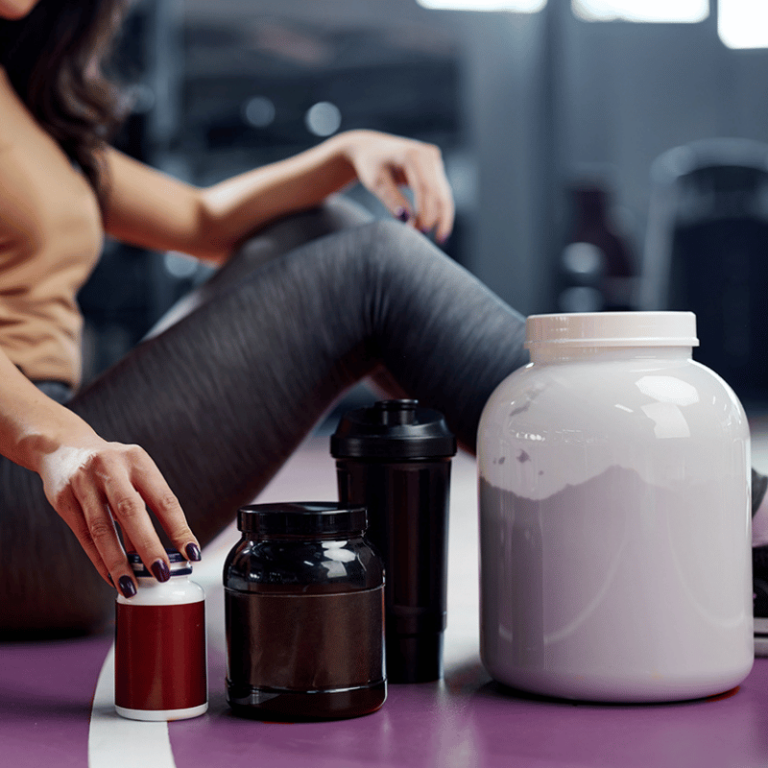
Creatine does draw water into your muscles, which can add around 1 to 2kg on the scale in the first few weeks. That water is inside the muscle, which makes muscles look fuller, not puffier. Stomach bloating is usually linked to taking large single doses during loading. A steady 3 to 5g a day rarely causes it.
In healthy people, research using normal doses has not shown kidney damage. Creatine can raise a blood marker called creatinine, which doctors use to check kidney function. This can look like a problem on a blood test when it is not. Tell your doctor if you take creatine before any blood work. If you have existing kidney disease, do not take creatine without medical advice.
This idea comes from one small study in 2009 that found a rise in a hormone linked to hair loss. It did not measure hair loss itself, and it has not been clearly confirmed by later research. At this point there is no strong evidence that creatine causes hair loss.
No. Creatine is a nutrient found in ordinary food and produced by your own body. It is legal and permitted in sport.
Yes. Creatine for women works well, and many women miss out because of the bloating and bulk myths. Women tend to have lower natural creatine stores than men, so they may benefit just as much or more. Research suggests it can support strength, lean muscle and possibly bone health, which becomes especially important around and after menopause.
Creatine will not make women bulky any more than lifting weights does. We explain why in our guide on whether lifting weights makes women bulky. Our ladies only training clients often add creatine once their training and nutrition basics are in place.
Muscle loss speeds up with age, and keeping strength is one of the best things you can do for long-term health. Combined with strength training, creatine may help older adults keep more muscle and strength. Our article on strength training over 50 explains why lifting matters even more after 50.

Speak to your doctor first if you:
An old belief said creatine causes cramps or dehydration. Research has generally not supported this. Still, in Dubai's climate, hydration matters for everyone who trains. Drink water steadily through the day and add electrolytes on hot or sweaty days.
Not directly. It does not burn fat. But by helping you keep training hard while eating less, it can help you hold on to muscle during a diet. Just be aware that early water weight may hide fat loss on the scale. Use measurements and body composition to track progress.
We always tell clients the same thing. Supplements are the last 5 percent. Training, protein, total food intake, sleep and consistency are the other 95 percent. If those are not in place, creatine will not make much difference.
That is why our coaches build a nutrition plan alongside training before recommending any supplement. For those focused on size and strength, our muscle building programme brings all of these together, and athletes can apply the same thinking through our sports performance training.
If you are not sure whether creatine, or any supplement, fits your goals, talk to our team. Book a free consultation at our DIFC studio and we will look at your training, diet and goals together before recommending anything.
This article is general information, not medical advice. If you have a medical condition, take regular medication, or are pregnant or breastfeeding, speak to your doctor before taking any supplement.



Achieve your fitness goals faster with expert personal trainers guiding you every step of the way in just 8 weeks.
Enquire now