What Is Biomarker Testing and How Does It Improve Your Athletic Performance?
Published: August 03, 2026
Category: Fitness Technology
Whether you are training for a marathon, building strength, or simply looking to recover better between workouts, your performance depends on more than your training sessions. Biomarker testing provides insights into what is happening inside your body, helping identify factors that may be affecting energy, recovery, and long term progress.
Biomarker testing measures specific substances in your blood, things like hormone levels, inflammation markers, and nutrient levels, that reflect how different systems in your body are functioning. Health biomarkers act as a kind of internal report card, showing patterns that daily training logs or a fitness tracker cannot capture on their own.
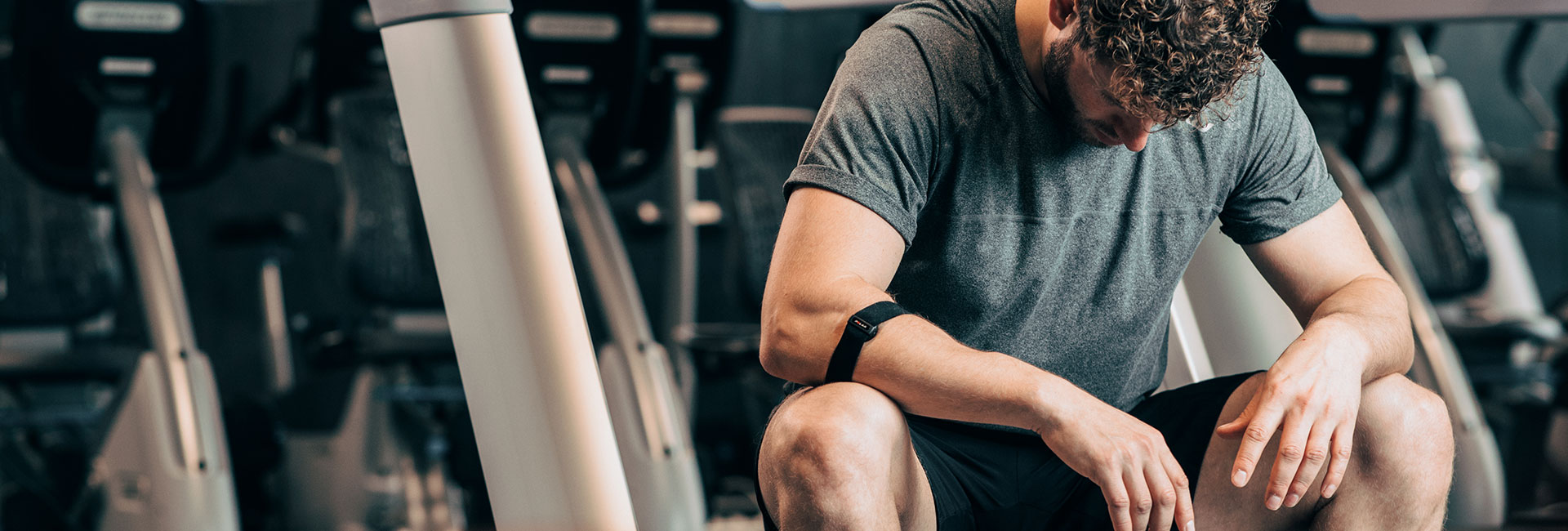
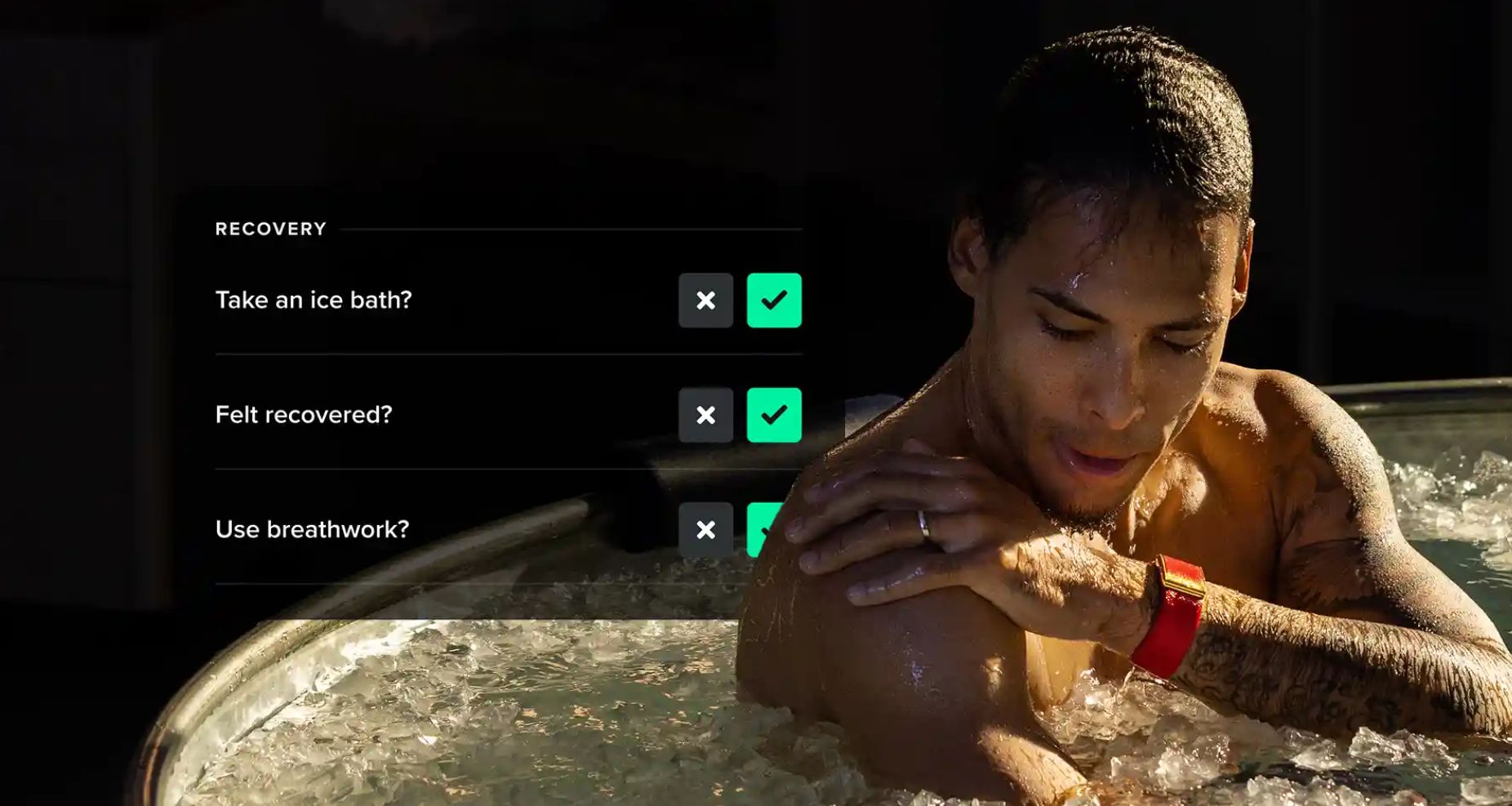
Blood biomarker testing has moved well beyond clinical settings in recent years. It is increasingly used by athletes and everyday gym goers who want to understand not just how hard they trained, but how well their body is actually recovering from it. Combined with wearable technology and expert coaching, biomarker testing can provide a more complete picture of how your body responds to training and recovery.
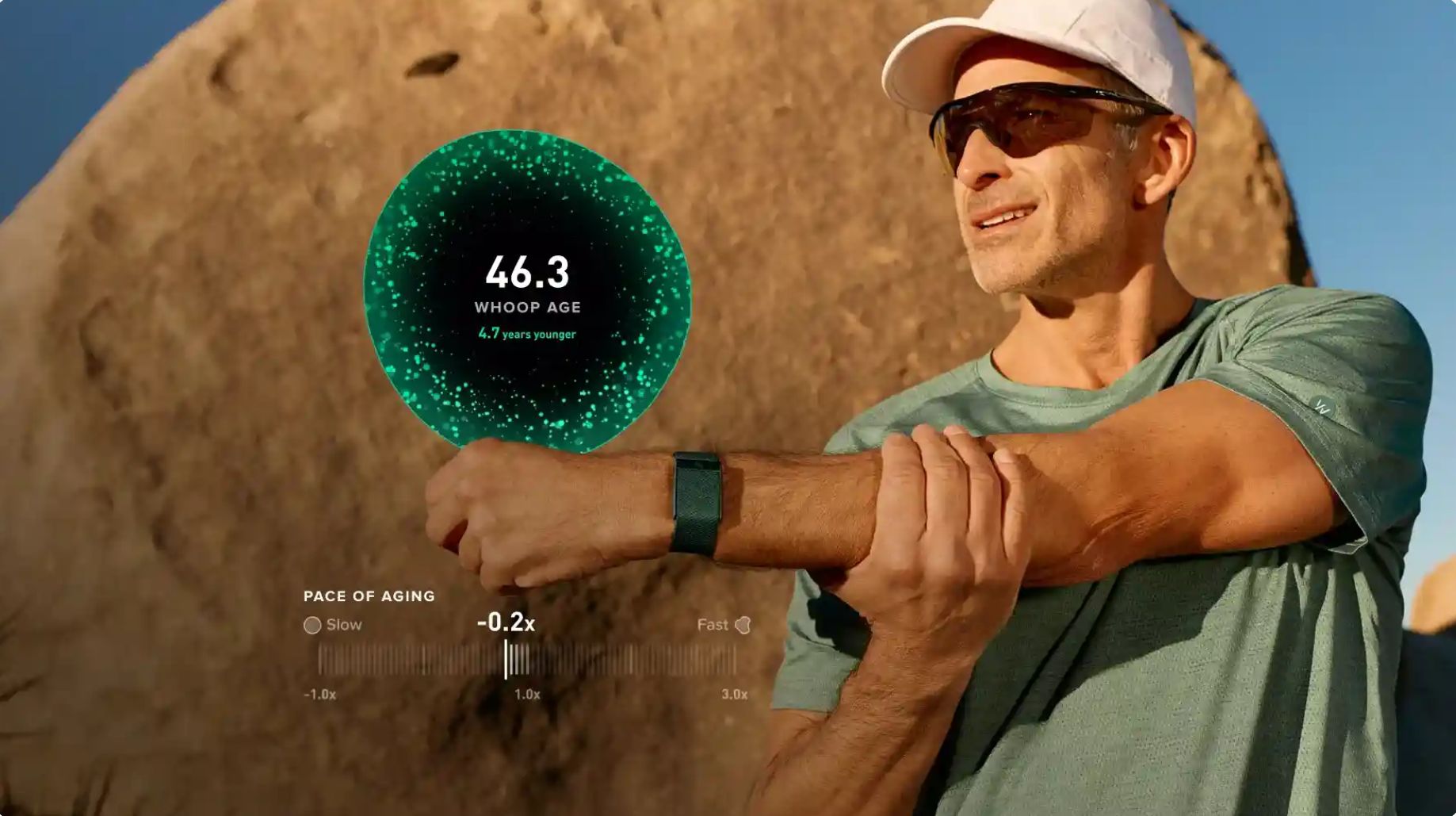
Rather than relying solely on how you feel after a workout, biomarker testing provides objective data that can help identify patterns affecting performance. This enables more informed decisions about training intensity, recovery, nutrition, and overall health.
Athletic performance testing works because it fills a gap that training data alone cannot close. A fitness tracker can tell you your heart rate trended down this week. It cannot tell you why. This is especially relevant for anyone following a structured programme, including the kind of approach covered in how to train like an athlete in Dubai, where recovery and intensity both need to be managed carefully.
Biomarker testing helps by:
For anyone serious about sports performance, this kind of data turns guesswork into something closer to a plan.
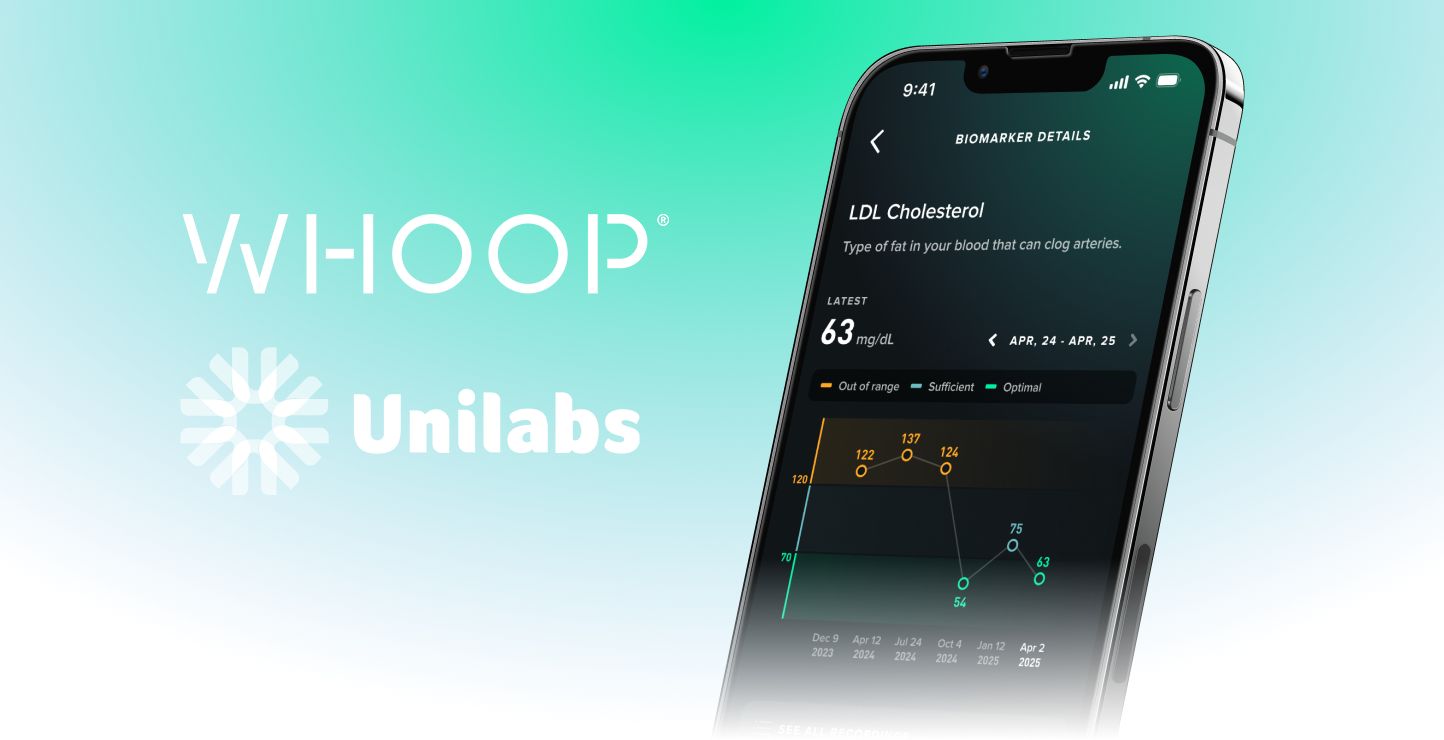
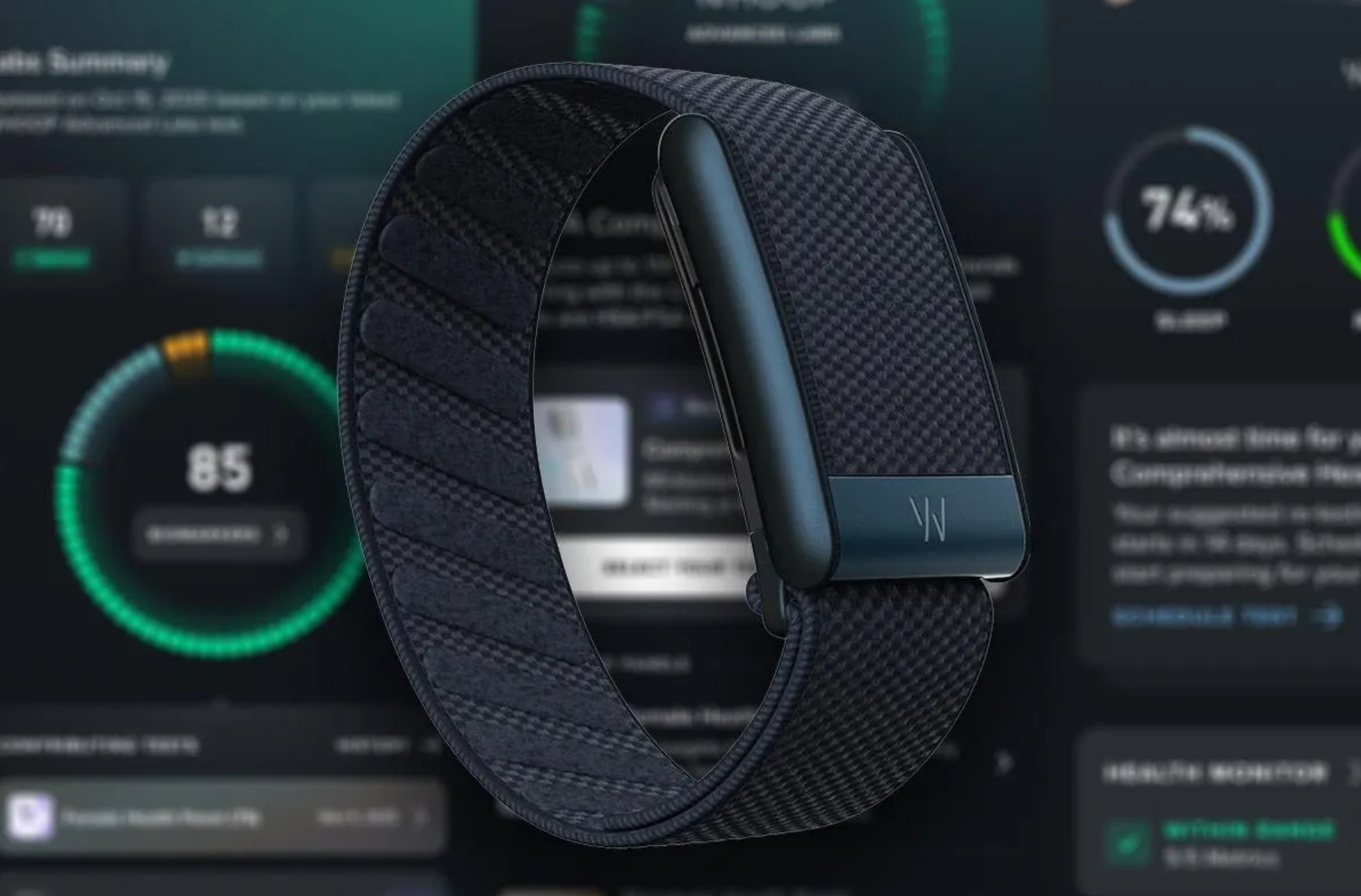
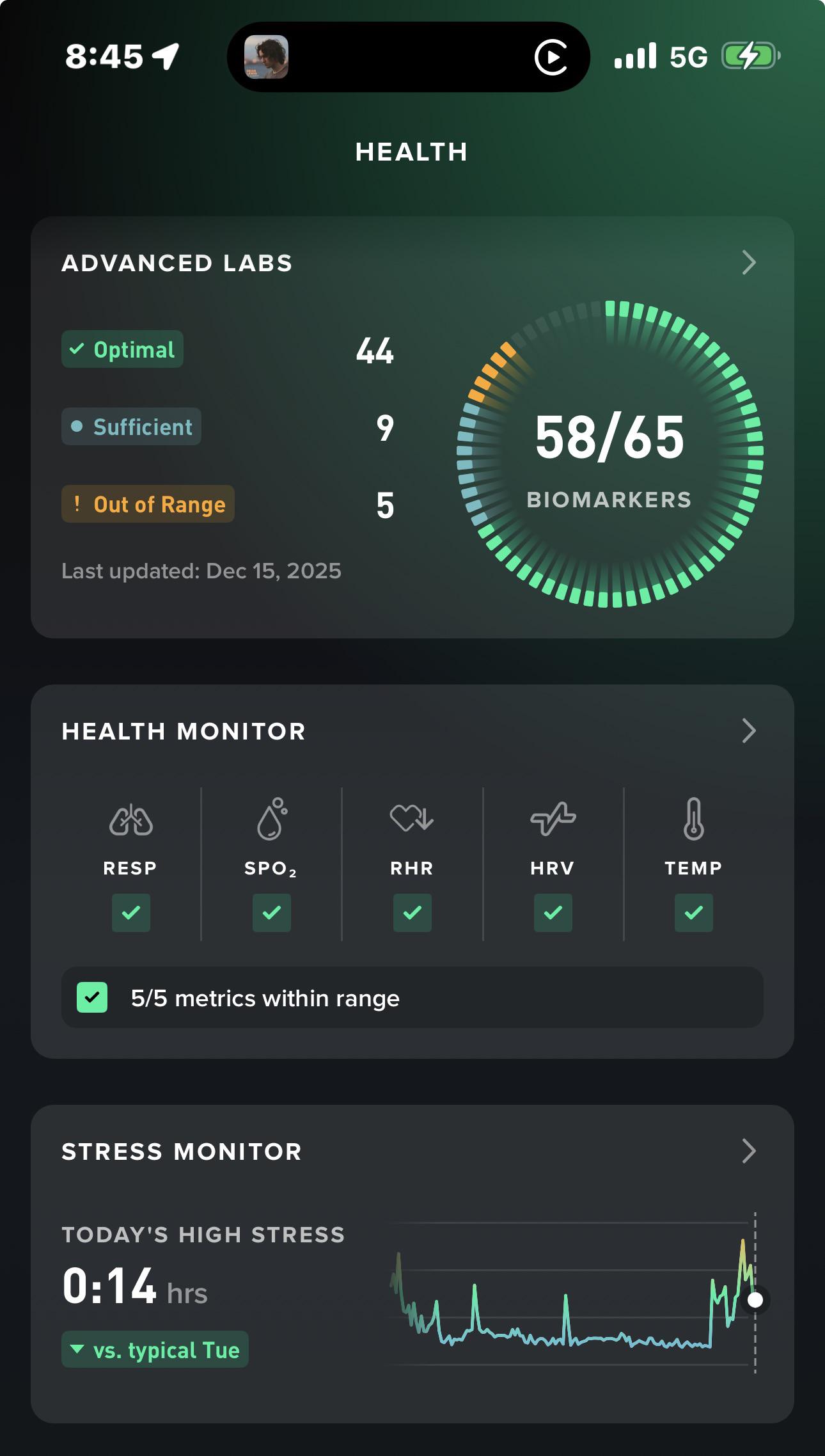
A recent example of this in action took place during Wellness Week at ICD Brookfield Place, where Embody Fitness partnered with WHOOP and Unilabs to bring on site blood biomarker testing to attendees. The activation combined a comprehensive 65 biomarker panel with WHOOP's wearable recovery data, giving participants a fuller picture than either source could offer alone. The event was covered by Hiamag in its report on Wellness Week at ICD Brookfield Place.
For those training in the region, this kind of testing is becoming part of a broader shift toward measurable, data backed approaches to health. It reflects a growing pattern seen elsewhere too, from wearable adoption to a rising interest in preventative health screening, rather than a passing trend tied to a single event.
Not everyone needs this level of detail right away, but it tends to make the biggest difference for:
Growing interest in this kind of testing has also been picked up by regional publications, including 25h.app's coverage of Dubai's Wellness Week, pointing to how quickly performance health and biomarker testing are becoming part of the regional conversation.
Biomarker testing provides valuable insights, but the real benefit comes from knowing how to apply them. A biomarker panel on its own cannot tell you how to adjust your training, recovery or nutrition. It becomes far more valuable when interpreted alongside your goals, lifestyle and training routine.
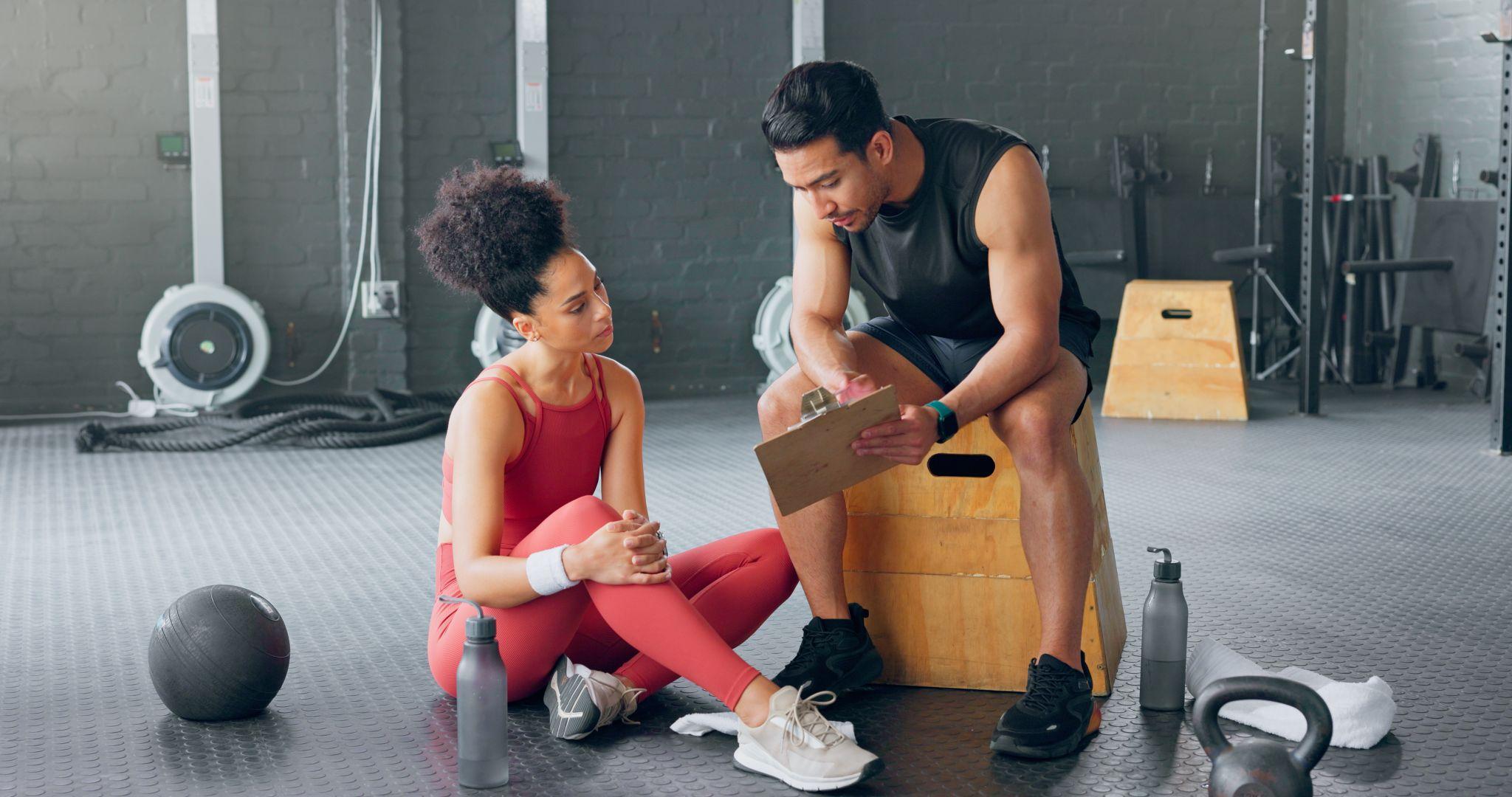
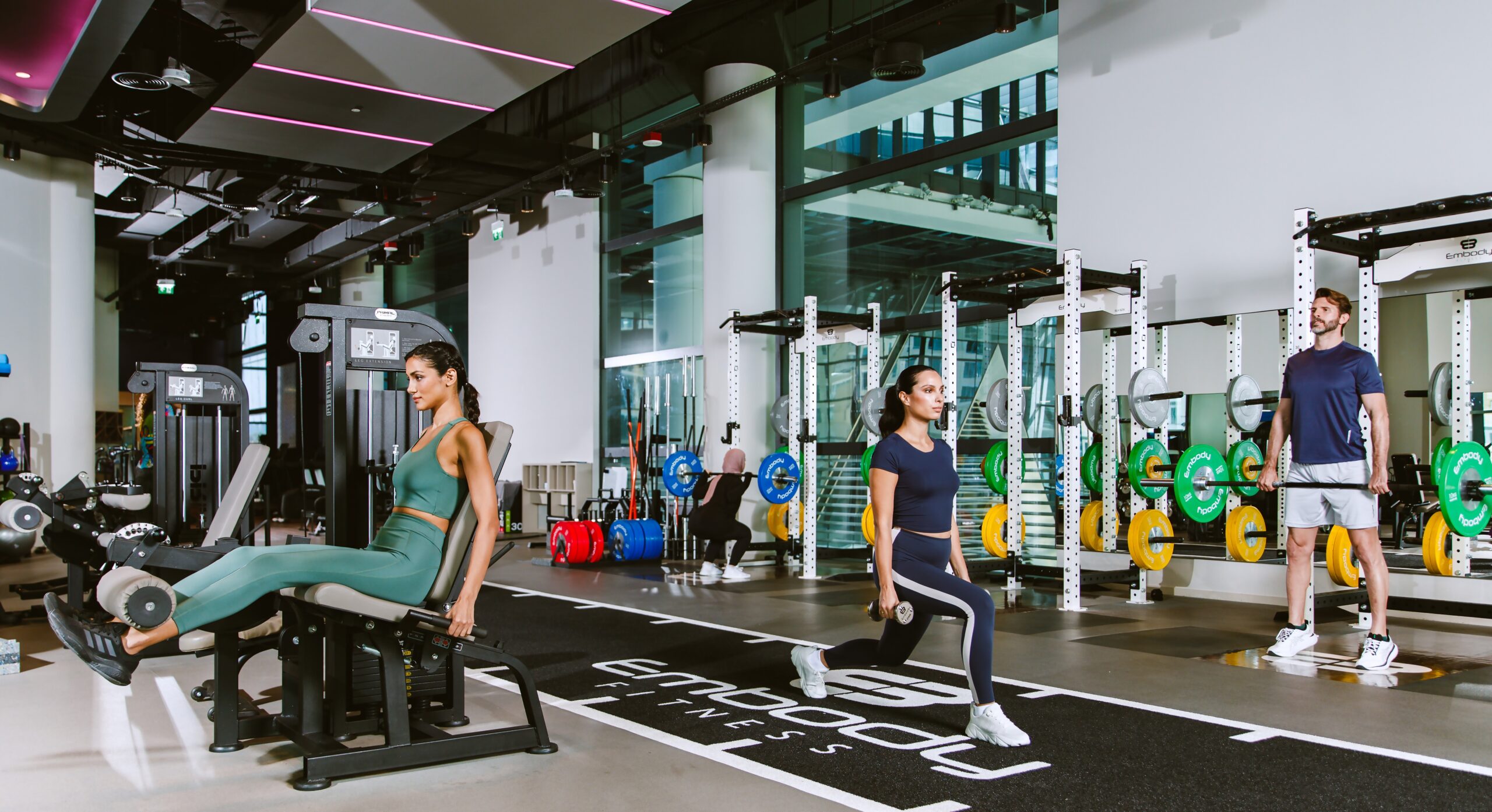
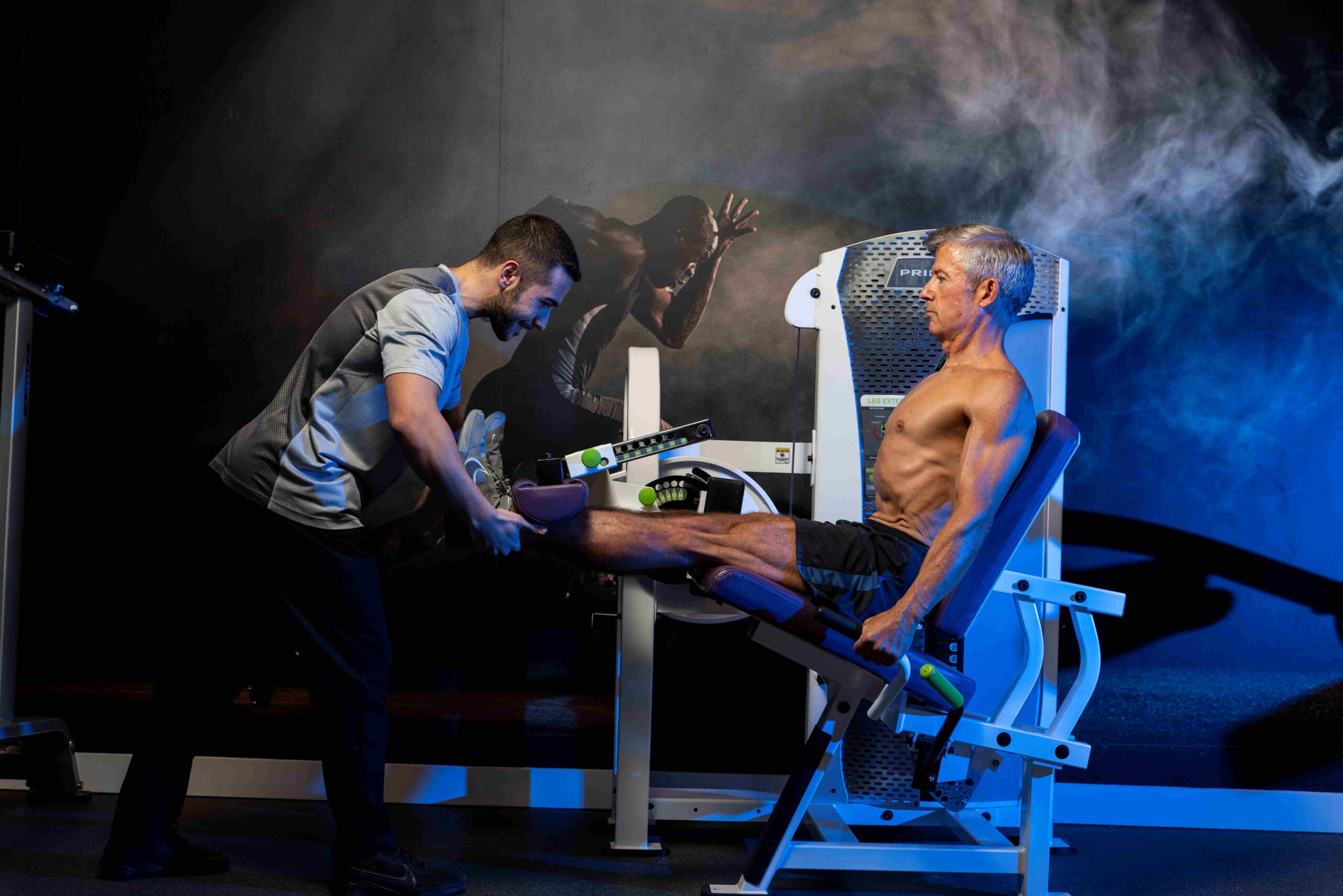
At Embody Fitness, coaches use biomarker data to personalise programmes for a wide range of goals, including weight loss, body transformation, strength development, improved fitness and athletic performance. Combined with sports performance training in Dubai, expert coaching and tailored recovery strategies, this data-driven approach helps you make informed decisions, recover more effectively and achieve better long-term results.



Achieve your fitness goals faster with expert personal trainers guiding you every step of the way in just 8 weeks.
Enquire now